


Beyond the Superfood Buzz
In the quest for health, it's easy to get caught up in the hype of the next big superfood. While there's nothing wrong with trying new things, focusing on a single 'miracle' ingredient misses the bigger picture. The World Health Organization and nutrition
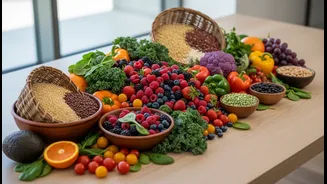
experts agree that a truly healthy diet is defined by diversity. This means including a wide variety of nutritious foods from different groups, not just once in a while, but as a regular practice. A diet rich in variety ensures you receive a broad spectrum of vitamins, minerals, and antioxidants essential for everything from bone health to brain function. It's the combined effect of a consistently varied diet—not a single exotic berry or grain—that offers protection against chronic diseases and supports long-term well-being.
Your Gut Is Craving Variety
One of the most compelling reasons to diversify your diet lies deep within your gut. Your digestive system is home to trillions of microorganisms, collectively known as the gut microbiome. This internal ecosystem plays a crucial role in your immune system, mood, and overall health. The key to a healthy, resilient microbiome is diversity, and the best way to achieve that is by feeding it a diverse range of foods. Different foods, especially plant-based ones rich in fibre, nourish different types of beneficial bacteria. A monotonous diet can lead to a less diverse microbiome, making it less robust. By simply rotating the vegetables, dals, and grains you eat, you provide a rich buffet for your gut microbes, helping them thrive and, in turn, keeping you healthy.
The Indian Thali: A Blueprint for Diversity
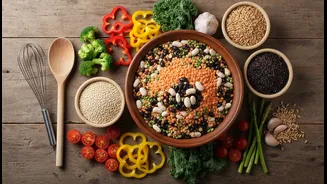
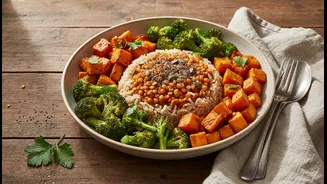
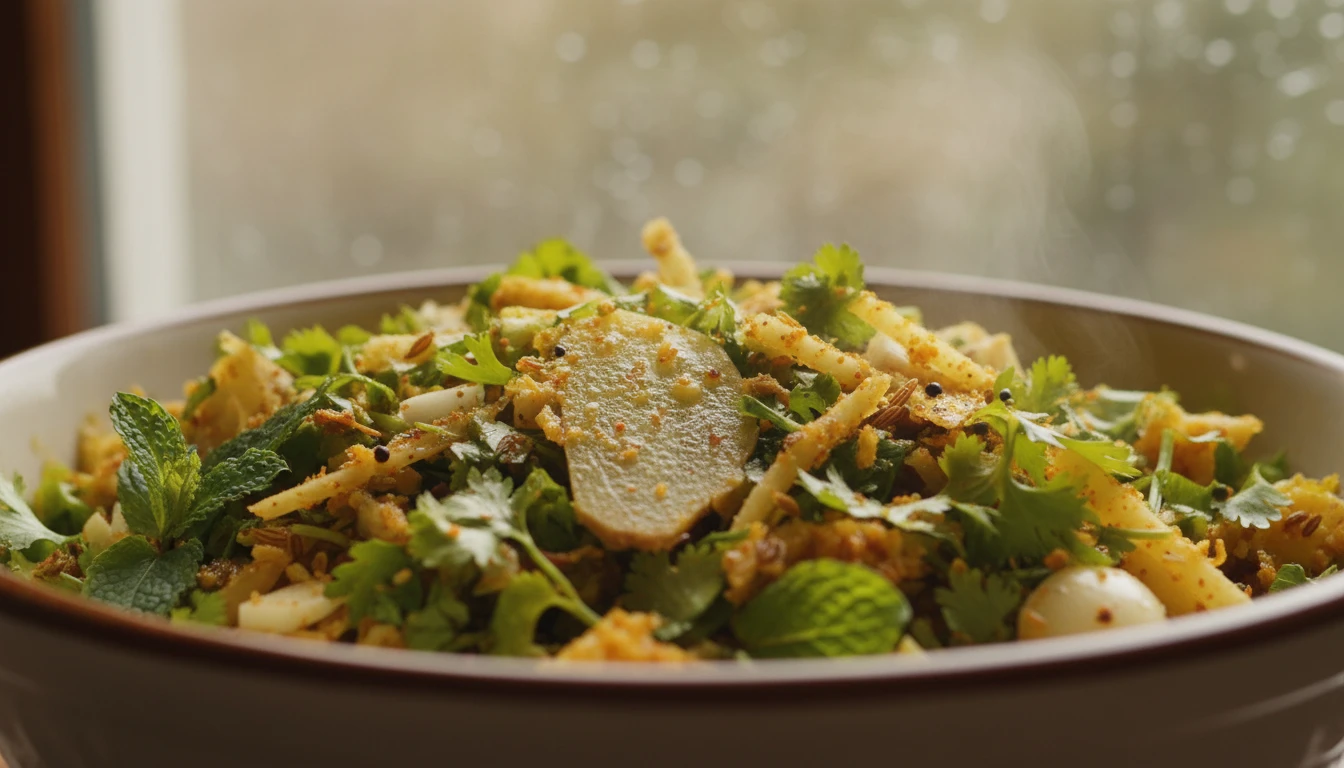
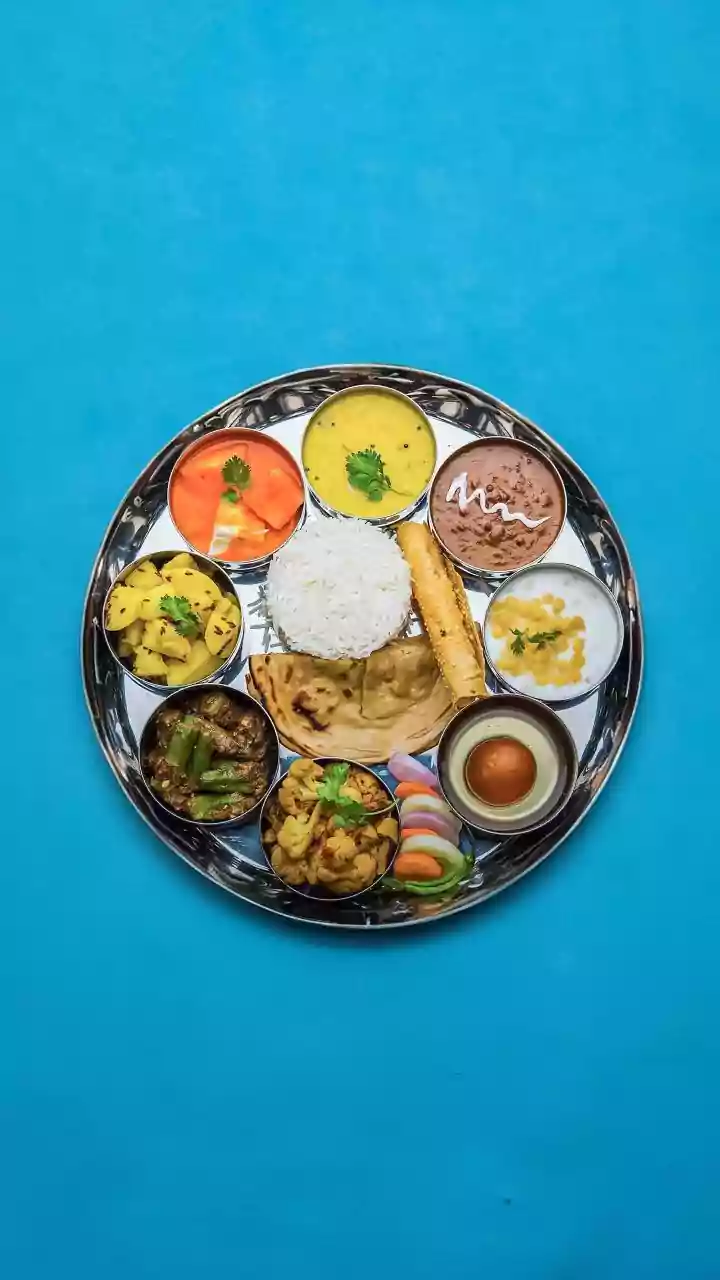
The good news for many in India is that the blueprint for dietary diversity is already part of our culinary heritage: the humble thali. A traditional Indian thali, with its small portions of dal, a seasonal sabzi, a whole grain roti or rice, curd, and a small salad, is a masterclass in balanced eating. It naturally incorporates multiple food groups. However, modern lifestyles and a reliance on a few staple grains have, in some cases, reduced this diversity. The solution isn't to abandon our food traditions but to revitalise them. Think of the thali as a template. Can you use a different dal today than you did yesterday? Can you swap rice for millets like jowar or ragi a few times a week? Can you add a simple kachumber salad or a seasonal vegetable raita to your meal?
Small Swaps, Big Impact
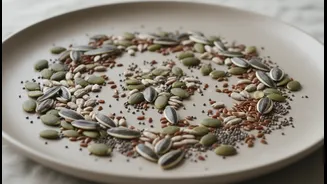
Incorporating diversity doesn't require a radical diet overhaul or expensive ingredients. It’s about making small, sustainable changes to your daily routine. Start by rotating your staples. If you always buy potatoes and onions, add one new vegetable to your basket each week, like bottle gourd (lauki) or pumpkin (kaddu). Instead of just using arhar dal, stock up on moong, masoor, and chana. Sprinkle a mix of sunflower and pumpkin seeds on your breakfast poha or upma. When making sabzi, alternate between greens like spinach (palak), fenugreek (methi), and amaranth (chaulai). These minor adjustments, when practised consistently, compound over time to create a significantly more varied and nutrient-dense diet.
Shop Smart, Eat Diverse
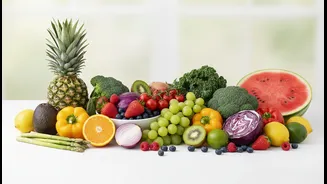
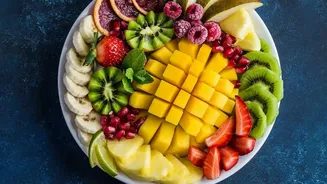
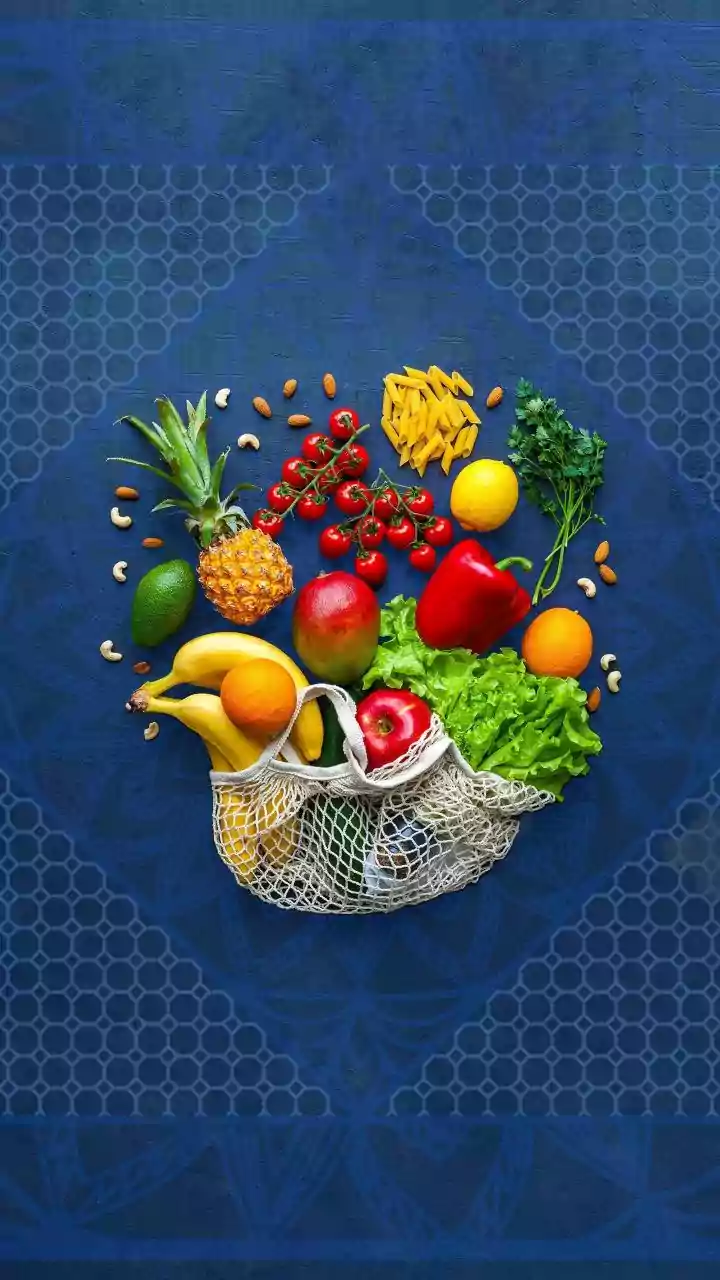
Achieving dietary diversity on a budget is entirely possible with smart shopping strategies. Eating seasonally is the most effective approach. Seasonal fruits and vegetables are not only at their nutritional peak but are also more affordable and widely available. Visiting your local sabzi mandi can expose you to a wider variety of local and seasonal produce than a supermarket might offer. Plan your meals for the week, but leave a little room for a new vegetable or fruit you find at the market. Buying small quantities of different items rather than large amounts of the same few things can also encourage variety without leading to food waste. The goal is to make variety a natural part of your grocery routine.