






The Reality Behind the Reel
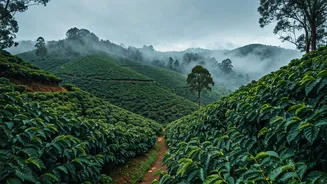
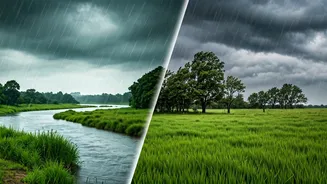
Coorg, often called the 'Scotland of India', is at its most magical during the monsoon months from June to September. The landscape erupts in a vibrant green, waterfalls thunder down hillsides, and a romantic mist hangs over coffee plantations. This dramatic
beauty makes it a prime destination for tourists seeking that perfect social media shot. However, the very conditions that create this spectacle also introduce significant risks. The India Meteorological Department (IMD) frequently issues orange and red alerts for the Kodagu district during this period due to heavy rainfall. These downpours can lead to dangerous, real-world consequences that don't feature in a 30-second video, including landslides, flash floods, and treacherous road conditions.
Navigating Treacherous Roads
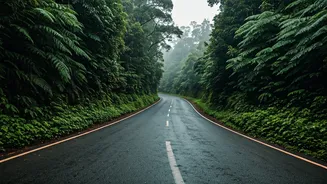
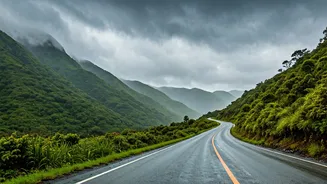
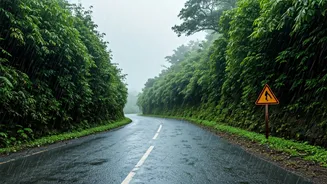
The journey is as much a part of the Coorg experience as the destination, but monsoon roads require extreme caution. Heavy rains saturate the soil on the ghat sections, dramatically increasing the risk of landslides. Key routes like the Shiradi and Charmadi Ghats can face temporary closures or blockages from falling trees and mudslides. Visibility often drops to near zero due to thick fog and intense rain, making driving hazardous, especially after dark. Local authorities strongly advise against night driving on these winding hill roads. Before you travel, check your vehicle's tyres, wipers, and fog lights. It’s also wise to check for real-time traffic updates and road closures posted by the district administration.
Waterfalls and Rivers: A Dangerous Allure
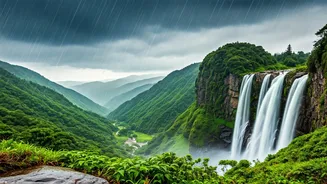
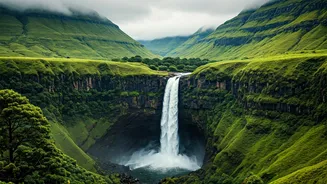
The waterfalls of Coorg, like Abbey and Iruppu Falls, are at their most powerful and spectacular during the monsoon. This makes them a magnet for tourists, many of whom are tempted to get dangerously close for a photo, often climbing on wet, slippery rocks. This is a huge mistake. The flow of water can increase suddenly and without warning, and the currents in rivers like the Barapole become incredibly strong, making activities like rafting perilous without expert guidance and confirmation of safe conditions. Authorities frequently issue warnings, advising tourists to avoid entering rivers and streams and to maintain a safe distance from waterfalls, as the risk of being swept away is very real.
Trekking and Exploring: Know Your Limits
While the rain-washed trekking trails are beautiful, they can also be treacherous. Paths become extremely slippery, and the presence of leeches increases. Some popular trekking routes, like those to Tadiandamol or in the Pushpagiri range, may be temporarily closed by the forest department for safety reasons during periods of intense rain. If you plan to trek, always opt for well-known trails, preferably with a local guide who understands the terrain and weather patterns. Inform your hotel or homestay host of your plans, carry a basic first-aid kit, and never push on if conditions feel unsafe. Listening to local advice is crucial; it can be the difference between a memorable hike and a serious accident.
Essential Safety Checklist
A little preparation goes a long way in ensuring your monsoon trip is safe and enjoyable. Always check the latest weather alerts from the IMD before and during your trip. Pack waterproof jackets, quick-drying footwear with good grip, and an umbrella. Due to the risk of power cuts in heavy rain, a high-capacity power bank is essential for keeping your devices charged. Carry a basic medical kit with antiseptics, bandages, and any personal medications. It’s also wise to have emergency contact numbers for local authorities and your accommodation saved. Finally, build flexibility into your itinerary. Roadblocks and a day of non-stop rain are common, so be prepared to change your plans and enjoy the view from a safe, dry spot.