

Texture and Grind: Fine vs. Gritty
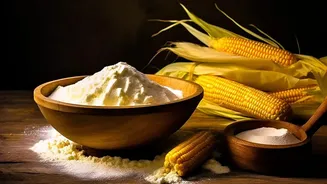
The most immediate difference between corn flour and cornmeal is texture. If you rub them between your fingers, you'll feel it instantly. Corn flour is a fine, silky powder, similar in consistency to whole wheat flour. Cornmeal, on the other hand, is noticeably
gritty. It's ground to a coarser texture, which can range from fine and sandy to very coarse. This fundamental difference in the grind size is the primary reason they behave so differently in recipes and cannot always be substituted for one another. Think of it like the difference between sand and dust—both come from the same rock, but their properties are worlds apart.
The Key: Processing Makes All the Difference
Both products start as dried corn kernels, but how they get from kernel to powder defines them. Cornmeal is simply dried corn that has been ground. That's it. Depending on the brand, it might be 'stone-ground', which often leaves more of the hull and germ, resulting in more nutrients and a more rustic texture. Corn flour is ground even more finely to achieve its powdery state. However, there is a third, crucial player in this story: masa harina. Though its name translates to 'dough flour' and it looks like corn flour, it is a completely different product. Masa harina is made from corn that has undergone a process called nixtamalization. This ancient technique involves soaking and cooking the corn in an alkaline solution, like limewater, which changes its flavour, releases nutrients like niacin, and allows it to form a pliable dough when mixed with water.
When to Use Cornmeal
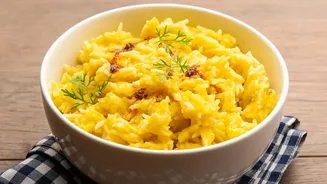
Cornmeal is the heart and soul of many comforting dishes, especially in the American South and Italy. Its gritty texture provides structure and a signature 'bite'. It's the essential ingredient for classic cornbread, giving it its characteristic crumbly texture. When boiled, it becomes a creamy porridge known as grits in the U.S. or polenta in Italy. Its coarseness also makes it a fantastic coating for fried foods like fish, chicken, or green tomatoes, creating a super crispy, crunchy crust that flour alone can't replicate. You'll also find it dusted on pizza peels to prevent the dough from sticking.
When to Use Corn Flour
The fine, smooth texture of corn flour lends itself to more delicate applications. Because it has no gluten, it's often blended with wheat flour in recipes to create a lighter, more tender crumb in cakes, pancakes, and muffins. It can be used on its own for certain types of gluten-free baking, though it may result in a denser final product. Corn flour is also an effective thickening agent for gravies, soups, and sauces, though you have to be careful to cook out its raw flavour. In some British and Commonwealth recipes, the term 'cornflour' actually refers to what Americans call cornstarch, which is a pure starch used only for thickening, so it's always wise to check the context of the recipe.
The Masa Harina Exception: No Substitutes
If a recipe calls for masa harina, especially for authentic Latin American dishes, do not substitute cornmeal or regular corn flour. The nixtamalization process is what gives masa harina its unique earthy, tangy flavour and, more importantly, the ability to bind with water to form a workable dough. This is why it's the non-negotiable choice for making corn tortillas, tamales, pupusas, and other staples. Attempting to make tortillas with regular cornmeal or corn flour will result in a crumbly, frustrating mess that simply won't hold together.