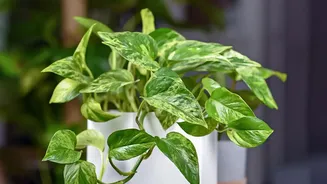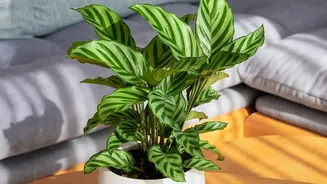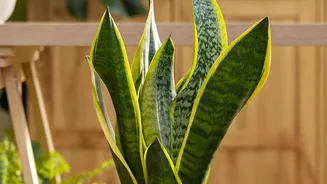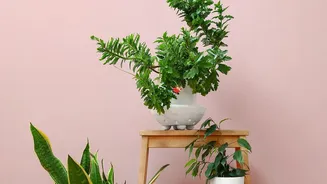






The Great Plant Purifier Myth
The belief that houseplants clean indoor air largely stems from a 1989 NASA study. The study found that plants in small, sealed chambers could remove volatile organic compounds (VOCs), which are harmful chemicals. However, our homes are not sealed space
stations. Subsequent research has shown that in a real-world home with constant air exchange from windows, doors, and ventilation systems, the air-purifying effect of a few plants is negligible. To make a significant impact, you would need an impractically large number of plants—some estimates suggest hundreds or even thousands in a single room. While they are wonderful for aesthetics and mental well-being, they are not a practical solution for air pollution.
What's Really Polluting Your Air?
Indoor air can be two to five times more polluted than outdoor air, according to environmental agencies. This is because modern homes are often sealed for energy efficiency, trapping pollutants inside. These pollutants, known as VOCs, are released from everyday items. Sources include paint, cleaning products, furniture made from pressed wood, carpets, air fresheners, and even cooking. Other common indoor pollutants include dust, mould spores, pet dander, and combustion gases from stoves or fireplaces. Over time, exposure to these can contribute to allergies, asthma, and other health concerns.
Ventilation: Your First Line of Defence
The single most effective strategy for improving indoor air quality is simple: ventilation. Opening your windows for even just a few minutes a day allows polluted indoor air to escape and fresh outdoor air to come in, diluting the concentration of contaminants far more effectively than any plant could. Using exhaust fans in your kitchen when you cook and in your bathroom when you shower is also crucial. These fans pull moisture and pollutants directly out of your home before they can spread. In a way, the best air purifier is an open window.
Control the Source and Clean Smart
Beyond ventilation, a key strategy is source control. This means being mindful of what you bring into your home. Opt for low-VOC or zero-VOC paints and furnishings when possible. Choose natural cleaning products or simply use soap and water. Regular cleaning also makes a huge difference. Dusting with a damp cloth, vacuuming frequently with a machine that has a good filter, and washing bedding regularly helps capture particulates like dust mites, pollen, and pet dander before they become airborne. Addressing any leaks or damp areas promptly will also prevent mould growth, a major source of indoor allergens.
Do Mechanical Air Purifiers Work?
If you live in an area with poor outdoor air quality or have family members with allergies or asthma, a mechanical air purifier can be a useful supplement. However, not all purifiers are created equal. For particles like dust, pollen, and dander, look for a purifier with a High-Efficiency Particulate Air (HEPA) filter. But it's important to know that HEPA filters alone do not remove gaseous VOCs. For that, you need a unit that also contains a substantial amount of activated carbon, which is designed to trap gases and odours. The most effective approach combines source control and ventilation with targeted filtration where needed.