




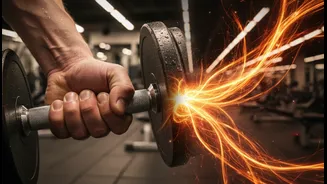



From Weight Loss to Strength Gained
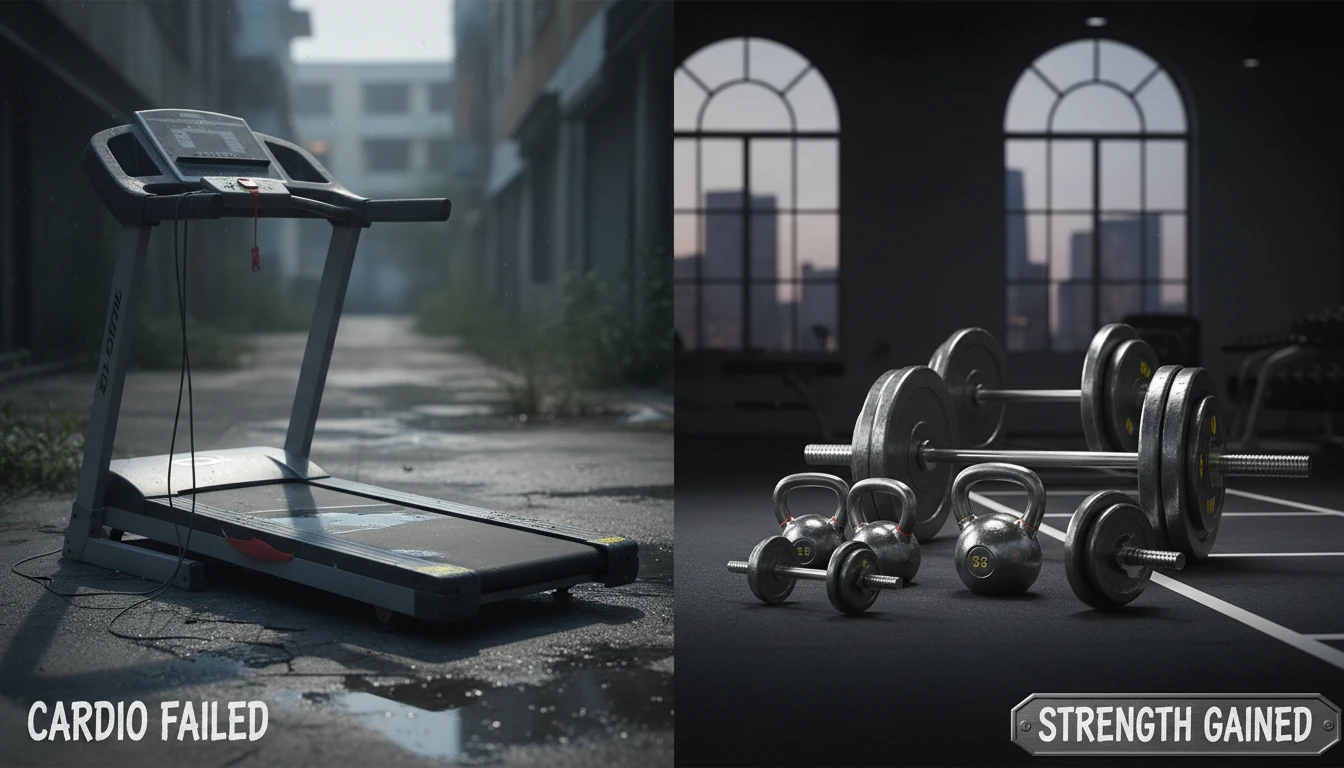
For decades, the dominant fitness narrative for women centered on one goal: getting smaller. Cardio was king, and the treadmill was its throne. The myth was that long, grueling sessions of aerobic exercise were the only path to the desired lean physique.
Today, a new generation is rewriting that narrative. The focus has shifted from shrinking their bodies to strengthening them. This is more than a change in exercise preference; it's a move from aesthetic-driven goals to a pursuit of capability, health, and empowerment. The goal is no longer just to lose weight, but to gain strength, confidence, and control.
Debunking the 'Bulky' Myth
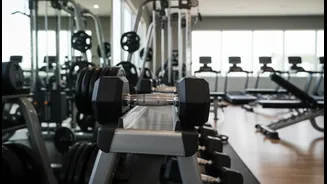
One of the most persistent myths that kept women away from weights was the fear of becoming “bulky”. This long-standing misconception has been thoroughly debunked. Physiologically, most women have significantly lower levels of testosterone than men, making it extremely difficult to build large, bulky muscles without highly specific, professional-level training and supplementation. Instead, resistance training helps women build lean muscle. Since muscle is more metabolically active and denser than fat, this leads to a stronger, more toned appearance and a higher resting metabolism, meaning the body burns more calories even when not exercising.
The Undeniable Health Benefits
The move towards strength training is also backed by a growing awareness of its profound health benefits, which extend far beyond appearance. Regular resistance training is one of the most effective ways to build and preserve bone density, which is crucial for women as they age to help prevent osteoporosis. It also improves joint health, enhances balance and mobility, and reduces the risk of injury. Furthermore, strength training has been shown to improve mental health, boosting self-esteem, increasing confidence, and reducing symptoms of anxiety and depression. The feeling of getting physically stronger often translates into a greater sense of mental fortitude.
Social Media's Surprising Role
Social media has been a powerful catalyst in this shift. While often criticized for promoting unrealistic body standards, platforms like Instagram and TikTok have also given a voice to a new wave of female fitness influencers who champion strength over skinniness. These creators share workout tutorials, celebrate lifting heavy, and discuss the functional benefits of their training. This has helped demystify resistance training, making it feel more accessible and aspirational for millions of young women. Seeing other women embrace their strength has created a positive feedback loop, encouraging more to join in. While the potential for negative body image comparisons still exists, the overall trend has been towards a more positive and empowering fitness message.
Cardio's New Place in the Routine
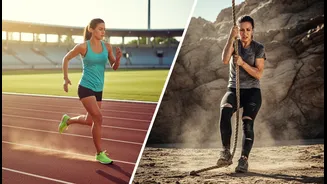
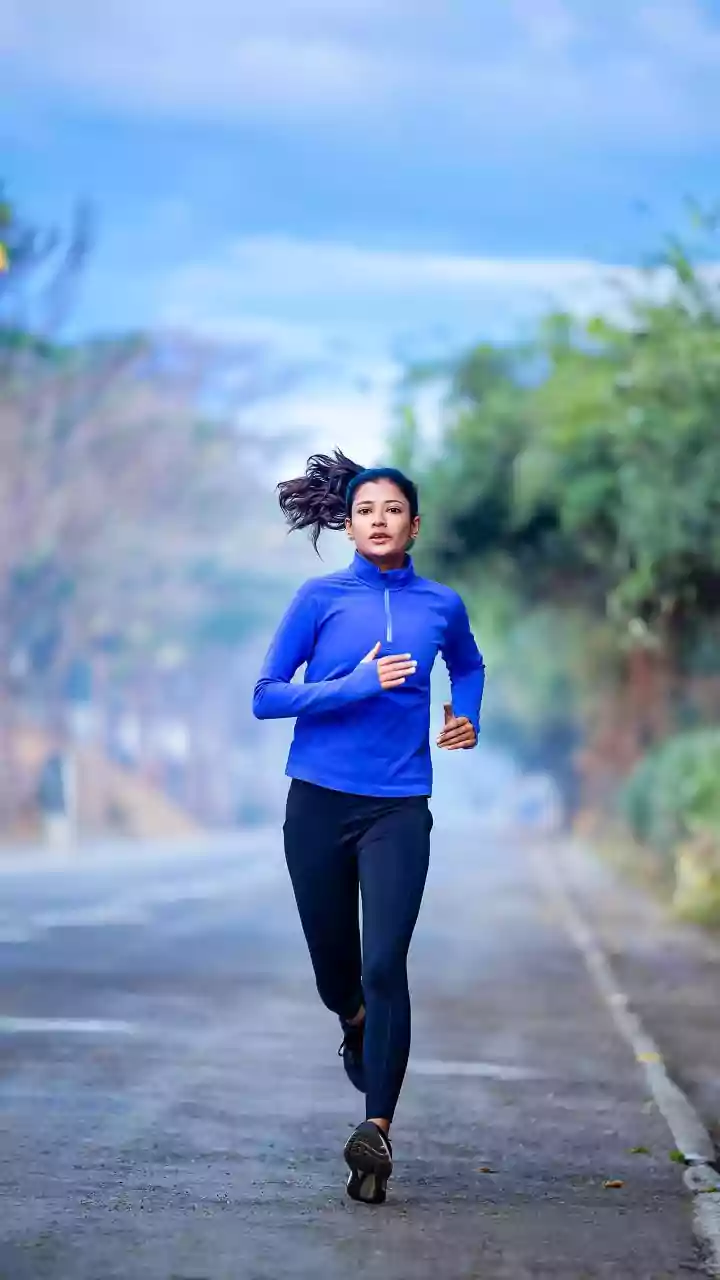
This shift isn't an outright rejection of cardiovascular exercise. Instead, it's about putting it in its proper context. Experts agree that a balanced fitness routine that includes both strength training and cardio is ideal for overall health. Cardio is essential for heart health, endurance, and mood regulation. However, it's no longer seen as the sole or primary method for achieving fitness goals. The new approach integrates cardio as a component of a well-rounded plan, rather than the entire strategy. The message is clear: strength training should be the foundation, and cardio the valuable complement.