




The Magic of Tadka Explained
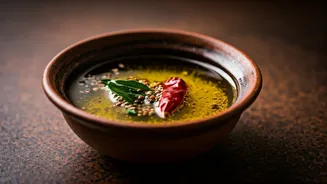
At its heart, a tadka — also known as chhaunk, vaghar, or simply tempering — is the culinary technique of briefly frying whole or ground spices in hot oil or ghee. This isn't just about mixing spices into food; it's about unlocking their very soul. The
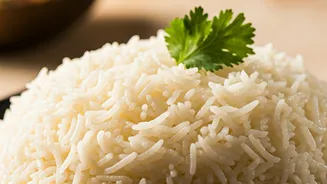
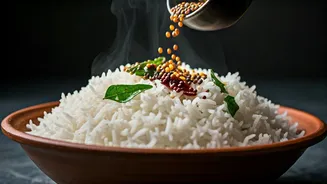
heat causes the spices to bloom, releasing their essential oils and deepest aromatic compounds. This fragrant, super-charged fat then becomes the vehicle for delivering an explosion of flavour to a dish. When poured over something as humble as plain steamed rice, the effect is transformative. It's the difference between a whisper and a symphony, turning a simple grain into a satisfying and complex experience for your palate.
The Science of the Sizzle
Why does this simple step make such a monumental difference? The science is beautifully straightforward. Many of the flavour molecules in spices like cumin, mustard, and asafoetida are fat-soluble. This means they don't release their full potential in water-based environments. By frying them in hot fat, you are essentially extracting these potent flavour compounds and infusing the oil with them. The characteristic sizzle and pop of mustard seeds or the immediate fragrance of cumin hitting hot ghee is audible and olfactory proof that the process is working. This infused oil then coats every grain of rice, ensuring that each bite carries a consistent and powerful burst of flavour that you simply cannot achieve by stirring in dry spice powders.
Your Basic Tadka Toolkit
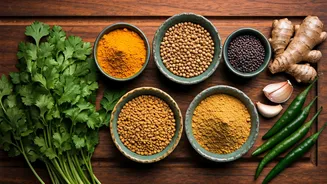
You don’t need an elaborate setup to master the art of the tadka. A small pan (a special tadka pan is great, but any small frying pan will do) and a few key ingredients are all it takes. * **The Fat:** Ghee is the traditional and most flavourful choice, adding a nutty richness. However, neutral oils like sunflower or groundnut oil also work perfectly well. * **The Seeds:** Black mustard seeds (rai) and cumin seeds (jeera) are the foundational duo. Mustard seeds add a sharp, pungent kick, while cumin brings earthy warmth. * **The Aromatics:** A pinch of asafoetida (hing) adds a unique savoury, onion-garlic note that is indispensable. Dried red chillies provide gentle heat and colour, while curry leaves (kadi patta) offer a distinct, fresh aroma that is quintessentially South Indian.
A Simple Tadka for Steamed Rice
Ready to try? Here’s a foolproof recipe to elevate a bowl of plain basmati or sona masuri rice. 1. In a small pan, heat one tablespoon of ghee or oil over medium-high heat. 2. Once the ghee is hot (it will shimmer slightly), add half a teaspoon of mustard seeds. Wait for them to crackle and pop. This is crucial — if they don't pop, the oil isn't hot enough. 3. Immediately add half a teaspoon of cumin seeds and let them sizzle for about 10-15 seconds until they turn a deeper brown and smell fragrant. 4. Add a generous pinch of hing and one or two dried red chillies (broken in half if you want more heat). Swirl the pan for another 5 seconds. 5. If using, add a sprig of fresh curry leaves. Be careful, as they will spatter intensely. 6. Immediately turn off the heat and pour the entire sizzling mixture over your hot, cooked rice. Mix gently and serve. The sound of the sizzle as the tadka hits the rice is part of the joy.
Beyond Plain Rice: Creative Tadka Ideas
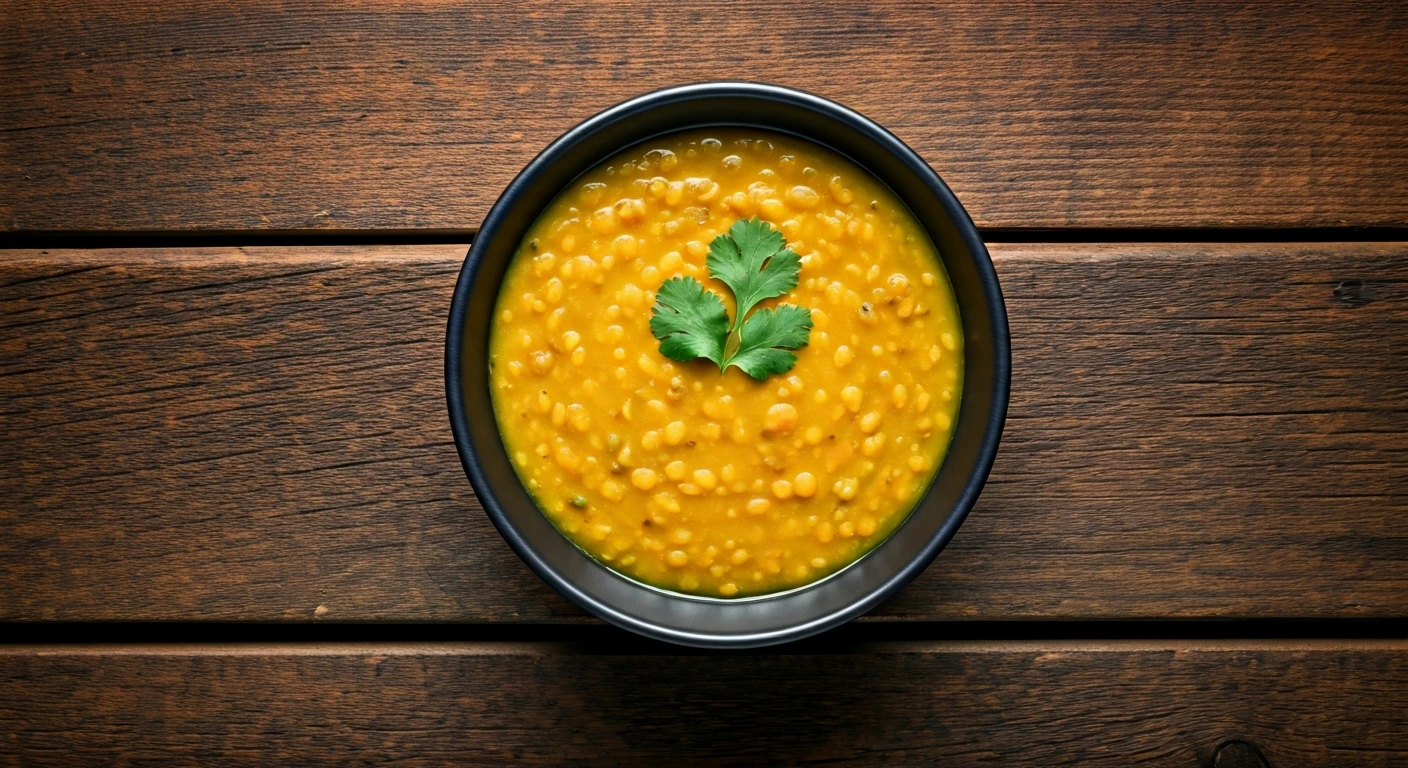
Once you've mastered the basic tadka, the possibilities are endless. This technique is the foundation for countless beloved Indian rice dishes. * **For Curd Rice:** A simple tadka of mustard seeds, urad dal (for crunch), dried red chillies, and curry leaves is classic. * **For Lemon Rice:** The tadka is the star. It often includes mustard seeds, chana dal, urad dal, peanuts, and turmeric, with lemon juice added at the end. * **For Dal Rice:** A final tadka of ghee, cumin seeds, garlic, and a pinch of red chilli powder drizzled over a simple bowl of dal and rice is pure comfort.