





The Unsung Heroes of Your Skin
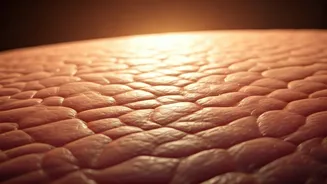
So, what exactly are ceramides? Think of your skin’s outermost layer, the stratum corneum, as a brick wall. The skin cells are the bricks, and ceramides are the mortar holding everything together. They are lipids (fat molecules) that make up about 50%
of your skin's natural barrier. Their job is crucial: they form a protective layer that locks moisture in and keeps pollutants, germs, and other environmental aggressors out. Without enough of this 'mortar', the wall becomes weak and develops cracks, leading to dryness, irritation, and sensitivity. They are, quite literally, the gatekeepers of healthy skin.
Why Your Skin Barrier Matters
The term 'skin barrier' has become a major buzzword, and for good reason. A compromised barrier is the root cause of many common skin woes. When your ceramide levels drop—due to age, sun exposure, harsh weather, or over-exfoliating with strong actives—your skin can’t hold onto water effectively. The result? That tight, flaky, and uncomfortable feeling. You might also notice increased redness, itchiness, and a predisposition to conditions like eczema and dermatitis. In a country like India, where we constantly switch between humid outdoors and dry, air-conditioned indoors, our skin barrier is always under stress. Rebuilding it is the first step towards resilient, calm, and hydrated skin.
From Lab to Your Lotion
For years, ceramides were a well-kept secret among dermatologists, who recommended them for patients with extremely dry or compromised skin. They weren't considered a 'sexy' ingredient. However, with the recent global shift towards 'skinimalism' and a focus on skin health over temporary fixes, ceramides have stepped into the spotlight. Consumers are tired of irritation from overusing harsh acids and retinoids. They are now seeking balance and repair. Brands have responded by formulating everything from gentle cleansers and serums to rich moisturisers with skin-identical or synthetic ceramides, making this once-clinical ingredient accessible to everyone.
Who Needs Ceramides? (Spoiler: Everyone)
This is the best part: ceramides are universally beneficial. Unlike some potent actives that require careful introduction, they are a natural component of your skin, making them suitable for virtually all skin types. - **Dry Skin:** This is a no-brainer. Ceramides directly combat dryness by replenishing the lipids your skin is missing. - **Oily and Acne-Prone Skin:** Many people with oily skin actually have a damaged barrier, causing the skin to overproduce oil to compensate. Ceramide-based, non-comedogenic moisturisers can help regulate oil production and soothe inflammation from acne treatments. - **Sensitive Skin:** By strengthening the skin's defences, ceramides reduce reactivity and calm redness and irritation. - **Ageing Skin:** Natural ceramide production declines with age. Topping them up helps restore a more youthful, plump, and smooth appearance.
How to Add Ceramides to Your Routine
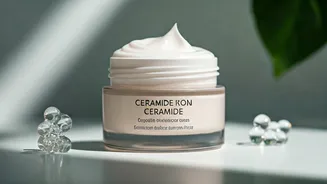
Incorporating ceramides is simple. You don't need a separate, dedicated step. Look for them in your daily moisturiser, which is the most effective way to deliver and seal them into the skin. They are often listed as 'ceramide AP', 'ceramide NP', 'ceramide EOP', or simply 'ceramides' in the ingredients list. They also work beautifully in cleansers, especially for those who find their skin feels tight after washing. Better yet, ceramides are team players; they work well alongside other popular ingredients like hyaluronic acid (for hydration), niacinamide (for soothing), and even retinoids (to counteract their drying effects). They slot into any existing routine to make it more effective and comfortable.