


The Monsoon's Murky Problem
When the skies open up, it’s not just rain that fills our reservoirs. The downpour washes everything from overflowing drains and industrial runoff to animal waste into our water sources. Ageing, leaky pipes that run alongside sewage lines are a major
point of vulnerability. During heavy rains, pressure changes in the water supply system can cause contaminated water from the ground to seep into the pipes delivering water to your tap. This creates a perfect storm for bacteria and viruses like E. coli, Salmonella, and rotavirus to enter your home, turning a life-giving resource into a potential health hazard.
Know Your Enemies
Contaminated water is the vehicle for a host of illnesses that see a dramatic spike during the rainy season. Typhoid, cholera, jaundice (Hepatitis A and E), and acute gastroenteritis are the most common culprits. These aren't just minor stomach upsets; they can lead to severe dehydration, prolonged weakness, and in some cases, serious complications requiring hospitalisation. The symptoms often start similarly—fever, nausea, stomach cramps, and diarrhoea—making it easy to dismiss them initially. Understanding the severity of these waterborne diseases is the first step toward appreciating why prevention is so critical.
Boiling: The Gold Standard
In the fight for safe water, the simplest method is often the most effective. Boiling water is the original, time-tested purification technique that requires no electricity or expensive equipment. Bringing water to a vigorous, rolling boil for at least one full minute (and three minutes at high altitudes) is enough to kill virtually all disease-causing bacteria, viruses, and protozoa. Let it cool down naturally and store it in clean, covered containers. While it might seem like a hassle, think of it as a small, daily ritual that provides an iron-clad guarantee against most waterborne threats. It’s the most accessible superpower you have.
Choosing Your Modern Shield
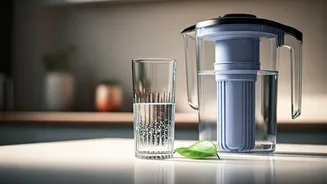
If boiling isn't practical, modern water purifiers offer a convenient alternative. But not all filters are equal. A Reverse Osmosis (RO) purifier is excellent for water with high Total Dissolved Solids (TDS), common in borewell water, as it removes salts and heavy metals. An Ultraviolet (UV) purifier uses UV rays to kill bacteria and viruses but doesn't remove dissolved impurities. Ultrafiltration (UF) works without electricity and removes larger particles and germs but not dissolved solids. The best choice is often a combination like RO+UV, which provides comprehensive purification. Assess your municipal or local water quality to decide which technology is most suitable for your home.
Beyond the Glass: Everyday Vigilance
Your defence against waterborne illness extends beyond what you drink. During the monsoon, be extra cautious with food and drinks prepared outside the home. Avoid raw foods like salads or chutneys that may have been washed with contaminated water. Say no to street-side juices, sugarcane juice, or crushed ice 'golas', as the water source and ice are often unverified. Use purified water for washing vegetables and fruits you plan to eat raw. Even when brushing your teeth, using safe water can reduce your risk of accidentally ingesting harmful pathogens. These small habits collectively build a powerful shield of protection for you and your family.