
The City as a New Ecosystem
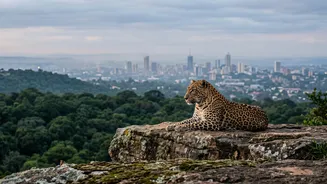
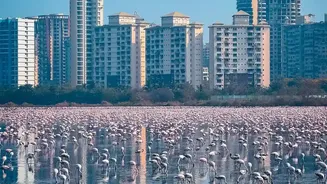
Far from being barren wastelands, cities are emerging as surprisingly viable ecosystems for a growing number of species. For adaptable animals, a city offers a buffet of opportunities: overflowing bins provide a constant food source, buildings offer countless
nooks and crannies for shelter, and the general absence of large, natural predators makes it a relatively safer environment. This combination of abundant resources and reduced risk is a powerful draw. As a result, animals that were once considered exclusively part of the wild are now our neighbours. This process, known as synurbization, describes the remarkable ecological and behavioural shifts that allow animals to cope with and even flourish in human-dominated landscapes.
Becoming Smarter, Bolder, and Quicker
Survival in the city requires a new set of skills. Animals are demonstrating incredible behavioural flexibility to navigate their new surroundings. Some species have become bolder and less fearful of humans, allowing them to exploit resources in busy areas. Many have shifted their schedules, becoming more active at night to avoid the daytime rush of human activity and traffic. This nocturnal living helps them forage for food and move around more safely. There is also evidence that urban life favours intelligence; some studies suggest that bird species with larger brains are better at adapting to the volatile city environment. These are not just learned tricks passed down through generations; in some cases, these changes are happening at a genetic level.
Evolution in Real Time
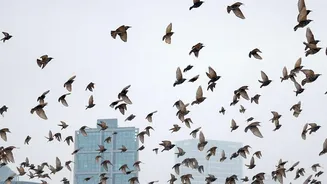
The pressures of city life are so intense that they are driving rapid evolution, a process that scientists can observe in just a few generations. Around the world, there are fascinating examples. In Puerto Rico, Anolis lizards have evolved longer limbs and stickier toe pads to better grip smooth, man-made surfaces like walls and windows. In Europe, house sparrows have developed shorter, stronger beaks better suited to cracking open the processed grains found in discarded human food, a distinct difference from their rural cousins who eat seeds and insects. Some urban blackbirds have shown changes in their beak shape to better consume food scraps. Even something as simple as birdsong is changing, with some birds developing higher-pitched calls to be heard over the constant low-frequency roar of city traffic.
A Perilous Paradise
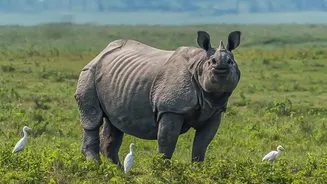
Despite these incredible adaptations, city life is fraught with danger. Habitat fragmentation, where natural landscapes are broken up by roads and buildings, remains a primary threat, isolating animal populations. In India, the 'Urban Heat Island' effect transforms cities into thermal traps, with concrete and asphalt absorbing and retaining far more heat than natural landscapes. This leads to widespread distress, especially during heatwaves, with rescue organisations seeing a spike in calls for birds and other animals suffering from dehydration and heatstroke. Furthermore, pollution, vehicle collisions, and new diseases pose constant threats, while increased encounters can lead to human-wildlife conflict. For every species that thrives, many others struggle or disappear entirely from the urban landscape.
Towards a Shared Future
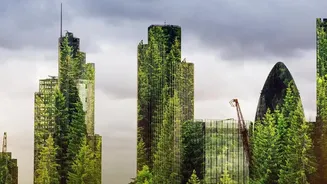
The rise of urban wildlife forces us to reconsider the way we design our cities. As urbanisation continues to expand in India, planning for coexistence is becoming critical. Simple measures can make a significant difference, such as creating and maintaining green corridors that allow animals to move safely between fragmented habitats. Preserving natural water bodies, reducing light pollution, and using wildlife-resistant waste bins can also mitigate conflict and support our animal neighbours. Ultimately, the story of urban wildlife is not just about their resilience, but about our own willingness to share the spaces we dominate. Understanding and supporting these remarkable creatures is key to fostering healthier, more biodiverse cities for everyone.