
What Are Unexpected Pairings?
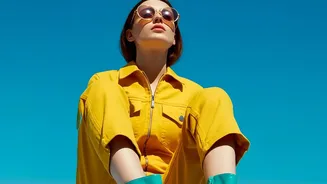
At its heart, the trend is about rebellion against old-school fashion rules. It’s about combining clothes in ways that feel intentionally “wrong” to create a look that is surprising and personal. The most famous example is the “wrong shoe theory,” a term
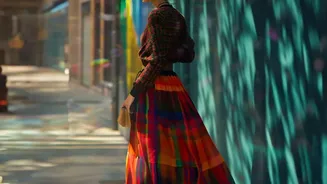
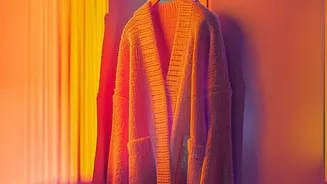
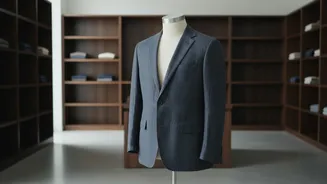
popularised on TikTok which encourages deliberately picking footwear that contrasts with the rest of your outfit. Think of pairing a delicate floral dress not with sandals, but with heavy-duty loafers or sporty sneakers. Or swapping out heels for casual trainers with a tailored pantsuit. The goal is to add personality and visual interest, proving that sometimes, the most memorable style moments come from breaking the rules we thought we had to follow. Other examples include mixing textures like soft lace with tough leather, or pairing formal pieces like silk skirts with chunky, casual sneakers.
The Algorithm in Your Wardrobe
So, where is this push for mismatched style coming from? Increasingly, the answer is social media algorithms. Platforms like TikTok and Instagram are designed to spot and amplify content that gets high engagement. When a user posts a unique outfit combination that captures attention, the algorithm pushes it to more feeds. This creates a feedback loop: more people see the trend, try it themselves, and post their own versions, causing the trend to spread like wildfire. These platforms act as curators of our taste, analyzing every like, share, and search to predict what we want to see next. The result is the birth of rapid-fire “micro-trends” that can feel both exciting and dizzying. An aesthetic can go from niche to mainstream in a matter of weeks, all thanks to the power of algorithmic promotion.
The Great Creative Debate
This algorithmic influence has sparked a debate in the fashion world. On one hand, many see it as a democratising force. It breaks down the high walls of fashion, allowing anyone to become a trendsetter and encouraging playful experimentation. For those who feel stuck in a style rut, seeing unexpected combinations can be a source of inspiration, helping them see their own wardrobe in a new light. On the other hand, critics worry that this is not true creativity, but rather algorithmic puppetry. They argue that the constant churn of micro-trends leads to a homogenized style, where everyone ends up chasing the same algorithm-approved look. This can stifle true innovation and encourage overconsumption as people rush to buy into the latest fleeting trend. The question becomes: are we expressing our personal style, or just dressing the way an algorithm has predicted we will?
From Screen to Your Style
The key to navigating this new era of fashion is to use trends as inspiration, not as a strict rulebook. The rise of unexpected pairings is a fantastic opportunity to get more creative with the clothes you already own. Before you buy into a new micro-trend, look inside your own closet. That formal skirt you only wear to weddings? Try it with a casual graphic tee. Those sneakers you only wear for walks? See how they look with a pair of smart trousers. The “wrong shoe theory” itself is a great way to rediscover your wardrobe, forcing you to try combinations you might never have considered. It’s about finding a balance between what the digital world is showing you and what feels authentically you. After all, while an algorithm can show you a trend, it can't understand the local context of your life—your climate, your culture, or your commute. True style is about translating inspiration into something that works for your real life.