



Understanding The Two Types of Iron
Iron is essential for carrying oxygen in your blood and keeping your energy levels up. But not all dietary iron is the same. It comes in two forms: heme and non-heme. Heme iron is found in animal products like meat, poultry, and fish. It's readily absorbed
by the body. Non-heme iron, on the other hand, is found in plant-based foods like lentils, chickpeas, beans, tofu, spinach, and other leafy greens. While these foods are nutritional powerhouses, non-heme iron is harder for our bodies to absorb. This is a key challenge for vegetarians, vegans, and anyone who relies heavily on plants for their iron intake.
Vitamin C: The Key to Unlocking Plant Iron
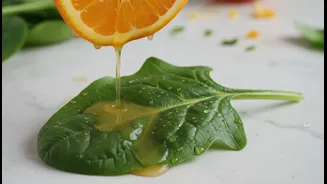
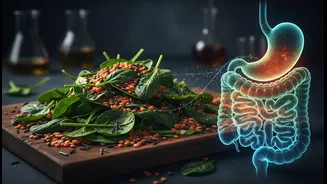
This is where Vitamin C comes to the rescue. It is scientifically proven to be a powerful enhancer of non-heme iron absorption. The magic happens in your digestive system. Vitamin C, or ascorbic acid, helps convert plant-based iron from its ferric (Fe³⁺) state to the ferrous (Fe²⁺) state, a form that is much easier for your intestines to absorb. It also forms a protective compound with the iron, keeping it soluble and preventing it from being blocked by common inhibitors found in plant foods, such as phytates and polyphenols. Studies show that adding Vitamin C to a meal can increase non-heme iron absorption by several times, making a significant difference in your body's ability to use the iron you consume.
Your Plant-Based Iron Toolkit
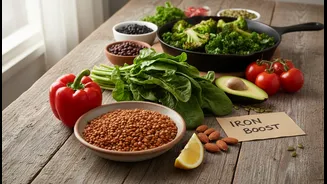
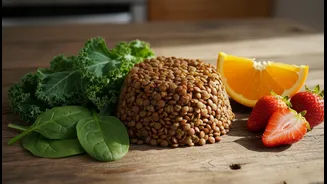
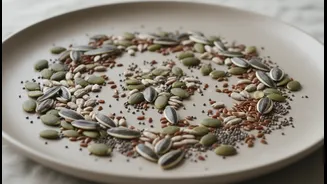
To start hacking your iron absorption, you first need to know where to find it. India's rich culinary landscape is full of excellent non-heme iron sources. Lentils (dals) of all kinds—moong, masoor, and toor—are staples for a reason. Legumes like chickpeas (chana), kidney beans (rajma), and black-eyed peas (lobia) are also packed with iron. Don't forget leafy greens like spinach (palak), amaranth (rajgira), and moringa (drumstick leaves). Other fantastic sources include tofu (made from soybeans), whole wheat bread, sesame seeds, and even spices like cumin (jeera).
Powerful Vitamin C Partners
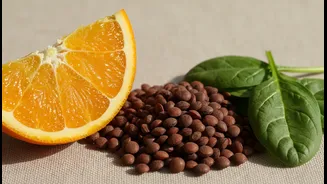
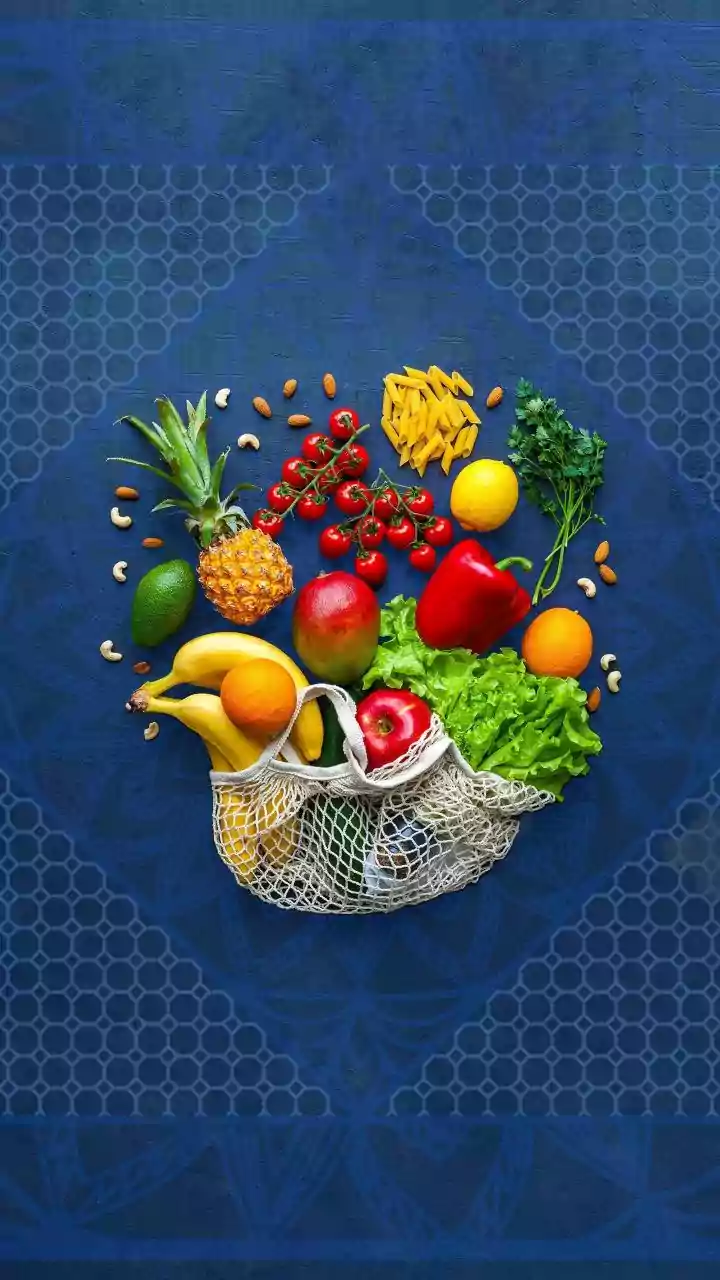
Now, let's find some partners for those iron-rich foods. Thankfully, Vitamin C is abundant and delicious. Citrus fruits are the most famous source; a squeeze of lemon or lime over your dal or salad is a classic and effective move. Tomatoes, a key ingredient in many Indian curries and chutneys, are another excellent source that works perfectly with beans and lentils. Bell peppers (capsicum), broccoli, and cauliflower are also loaded with Vitamin C and can be easily added to stir-fries and sabzis. For a sweet pairing, consider fruits like guava, strawberries, oranges, and kiwi, which can be eaten with a meal or as a post-meal snack to aid absorption.
Putting It All Together: Meal Ideas
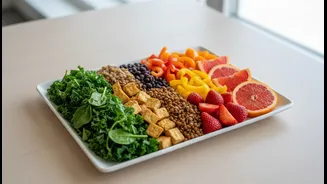
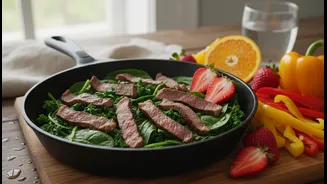
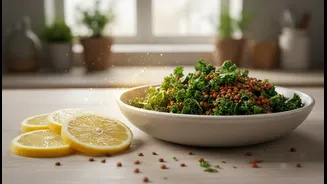
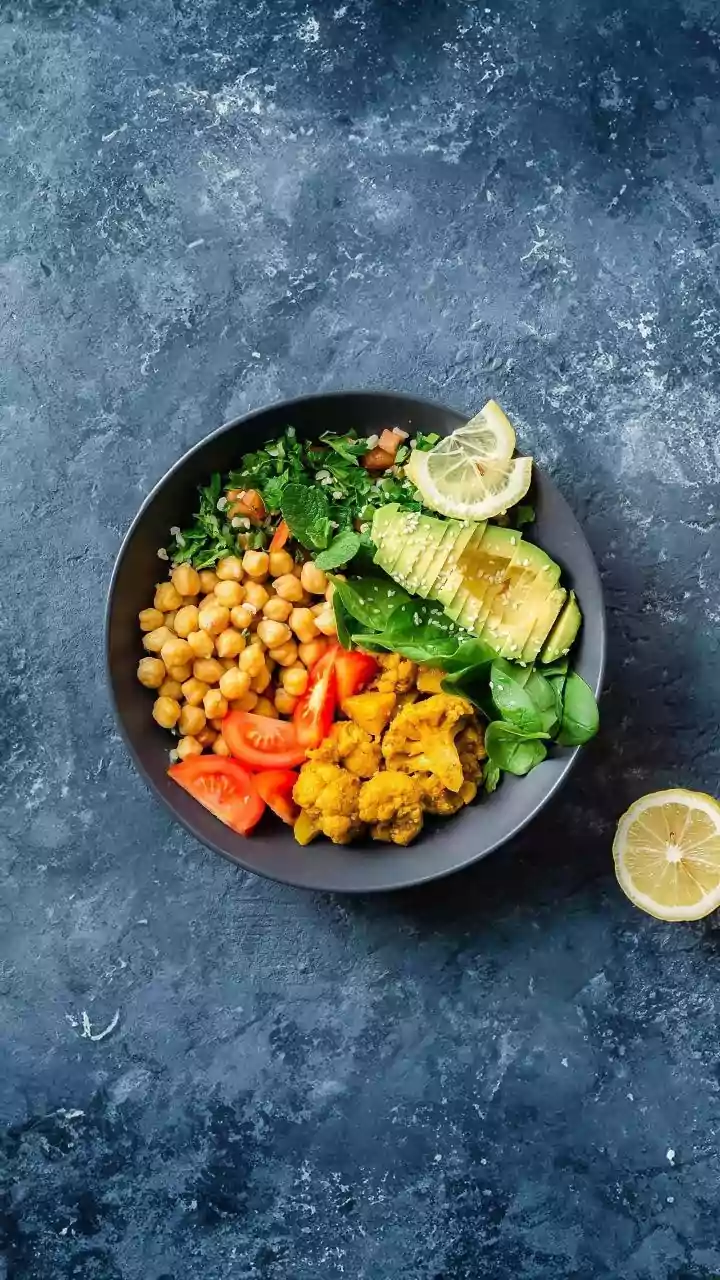
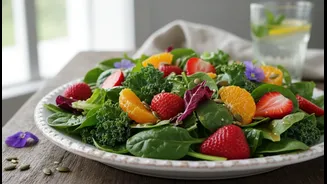
The best part is how easily these pairings fit into everyday meals. Think of a hearty bowl of lentil soup (dal) with a generous squeeze of fresh lemon juice. A vibrant spinach salad isn't just about the greens; add some bell peppers and orange slices for a dual iron and Vitamin C boost. A chickpea curry becomes even more powerful when cooked with a rich tomato base. Try a tofu scramble with chopped bell peppers and a side of orange juice. Even a simple snack of hummus made from chickpeas can be supercharged by dipping raw bell pepper strips into it instead of just pita. The combinations are endless, delicious, and incredibly beneficial for your health.
What to Avoid for Better Absorption
Just as Vitamin C is an enhancer, some compounds are inhibitors. Phytates (found in whole grains and legumes) and polyphenols/tannins (found in tea and coffee) can significantly reduce iron absorption. While you can't eliminate phytates from many iron-rich plant foods, their effect can be lessened by soaking, sprouting, or fermenting legumes and grains. More practically, avoid drinking tea or coffee with your iron-rich meals. Wait at least an hour before or after eating to enjoy your daily cup. Calcium can also compete with iron, so it's wise to not take a calcium supplement at the same time as your main iron-focused meal.