

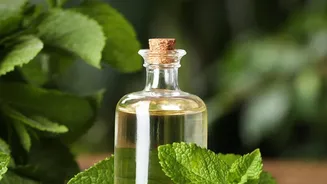
The Flavour Hiding in Plain Sight
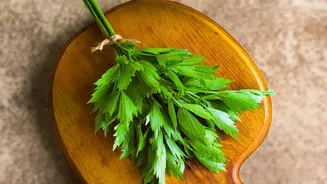
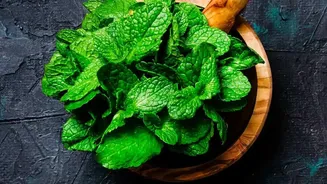
We often discard coriander (dhania) and mint (pudina) stems without a second thought. However, these fibrous stalks are packed with aromatic compounds and concentrated flavour. In fact, many chefs and home cooks argue that the stems of herbs like cilantro
carry even more flavour than the delicate leaves. By throwing them away, we are not just creating food waste; we are losing a valuable, flavourful ingredient. The zero-waste philosophy isn't just about saving money or being sustainable—it's about unlocking the full potential of every ingredient you bring into your home. This simple project turns a common kitchen scrap into a gourmet pantry staple.
Understanding Infused Oils
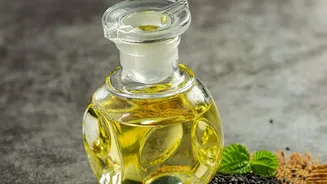
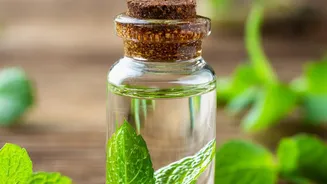
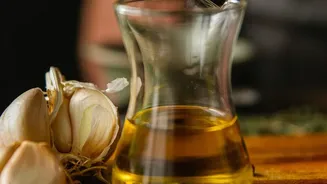
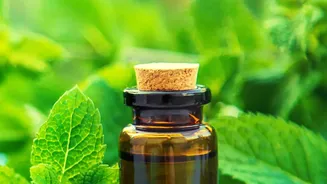
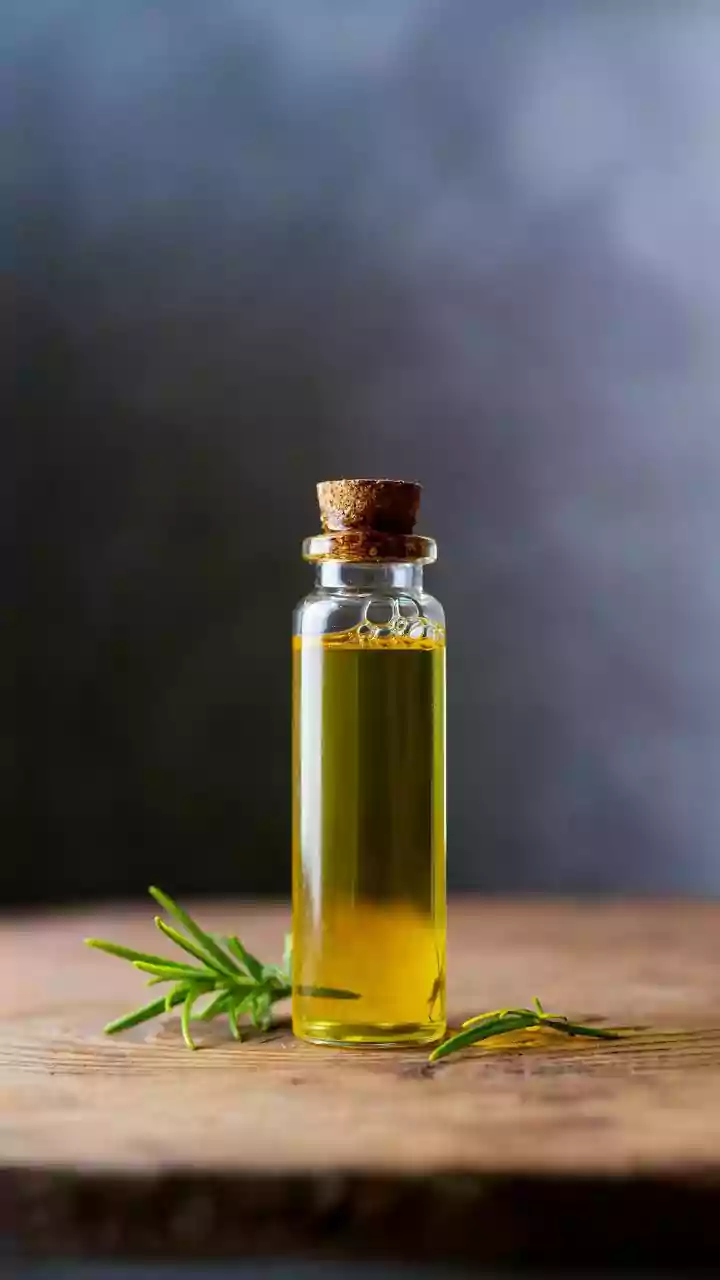
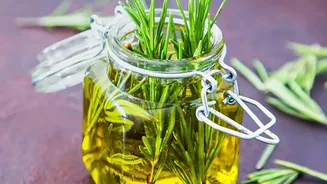
Before we begin, it's important to clarify what we are making. This process creates 'infused' or 'flavoured' oil. We are not extracting oil from the stems themselves, but rather transferring their essential oils and flavour compounds into a carrier oil. This technique allows you to capture the fresh, pungent essence of coriander and the cool, bright notes of mint in a form that is versatile and has a longer shelf life than fresh herbs. The result is a custom-flavoured oil perfect for drizzling, dressing, and finishing dishes.
Gather Your Ingredients and Tools
The beauty of this project lies in its simplicity. You likely have everything you need already. Herb Stems: A good handful of leftover coriander and/or mint stems. You can use them separately or create a combined flavour profile. Carrier Oil: About 1 to 2 cups of a neutral-flavoured oil. Groundnut oil, sunflower oil, or a light olive oil work well. A neutral oil allows the herb flavours to be the star. Equipment: A small saucepan, a clean and dry glass jar with a lid for storage, and a fine-mesh sieve or cheesecloth for straining.
The Step-by-Step Infusion Method
There are two main ways to infuse oils: cold and hot. The hot-infusion method is quicker and generally safer for home cooks, as the heat helps inhibit bacterial growth. 1. Prep the Stems: Wash the stems thoroughly under running water to remove any dirt. The next step is the most critical for safety: you must dry the stems completely. Any moisture left on the herbs can create a breeding ground for bacteria, including Clostridium botulinum, which can cause botulism. Pat them dry with a clean cloth and then let them air-dry for a while to ensure no water remains. 2. Release the Flavour: Gently bruise the stems by crushing them with the back of a knife or a mortar and pestle. This helps to break down the cell walls and release their aromatic oils. 3. Gentle Heating: Combine the bruised stems and your chosen oil in a saucepan. Heat the mixture over the lowest possible flame. You do not want to fry the stems. The goal is to warm the oil gently, allowing it to absorb the flavours. Keep the heat low and slow for about 10-15 minutes, or until the oil becomes fragrant. You should see tiny bubbles, but the oil should not be smoking or boiling. 4. Cool and Strain: Remove the pan from the heat and let the oil cool down to room temperature completely. Once cool, pour the mixture through a fine sieve or cheesecloth into your sterilised glass jar to remove all the solid plant material.
Crucial Safety and Storage Tips
Homemade infused oils require careful handling to prevent foodborne illness. Because fresh herbs are low-acid foods, they can create an oxygen-free environment in oil where harmful bacteria like C. botulinum can thrive if not handled correctly. The most reliable way to ensure safety is to store your finished oil in the refrigerator and use it promptly. For best quality and safety, plan to use your homemade herb oil within 10 days to a few weeks. If you notice any cloudiness, mould, or off-smells, discard it immediately. Never store homemade fresh-herb infusions at room temperature.
How to Use Your Aromatic Oil
Now for the fun part. This fragrant oil is incredibly versatile in an Indian kitchen and beyond. Use it as a flavourful finishing touch by drizzling it over a hot bowl of dal or soup. It makes a fantastic base for a salad dressing, especially for a simple kachumber. You can use it to marinate paneer, chicken, or fish before grilling. It also adds a wonderful layer of flavour when used for a quick vegetable stir-fry or as the fat for your tadka, although be mindful not to overheat it to preserve the delicate herb notes.