








The Deception of Cool Air
It’s a common mistake: the weather is cool and damp, so you don't feel as thirsty. This is a trick your brain plays on you. Cooler temperatures and the rainy environment can reduce your body's natural thirst signals. Unlike the obvious thirst you feel in scorching
summer heat, the need for water during the monsoon is more subtle, but no less important. Your body is still losing water through essential functions like breathing and digestion, even if you aren't sweating profusely.
Humidity's Hidden Impact
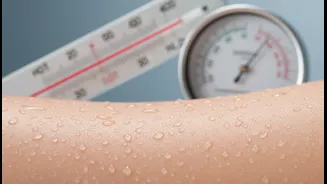
The defining feature of the monsoon is high humidity, and this is where the real challenge lies. When the air is saturated with moisture, your sweat doesn't evaporate effectively from your skin. Evaporation is the body's primary cooling mechanism; it’s what transfers heat away from you. In humid weather, this process is sluggish. As a result, your body has to work much harder to regulate its temperature, often by producing even more sweat that just drips off without providing a cooling benefit. This means you are losing fluids and electrolytes, even if you feel sticky rather than sweaty.
Subtle Signs of Dehydration
Because thirst isn't a reliable indicator during the monsoon, you need to watch for other signs of dehydration. Persistent fatigue, a lingering headache, difficulty concentrating, or feeling unusually sluggish are common symptoms that many people blame on the gloomy weather itself. Other tell-tale signs include dark yellow urine, a dry mouth despite the humidity, and dry skin. Even mild dehydration can impact your cognitive function, mood, and energy levels.
Bolster Your Monsoon Immunity
The rainy season is notorious for bringing an increase in infections and waterborne diseases. Staying well-hydrated is one of your first lines of defense. Proper hydration helps your body flush out toxins and supports the function of your immune cells, making you more resilient against common monsoon illnesses. Dehydration can weaken your immune response, leaving you more vulnerable. It is also crucial to ensure the water you drink is safe. Always opt for boiled, filtered, or trusted bottled water to avoid contaminants that become more prevalent during this season.
Smarter Ways to Stay Hydrated
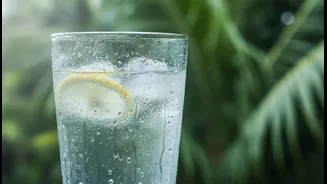
Meeting your fluid needs doesn't have to mean endlessly chugging plain water. You can 'eat' your water by including hydrating fruits and vegetables in your diet. Cucumbers, watermelon, oranges, and leafy greens are all excellent choices. On a cool, rainy day, warm options can be particularly appealing. A bowl of soup or broth can be both comforting and hydrating. Herbal teas, coconut water, and even milk are also effective ways to replenish fluids. For a simple boost, try infusing your water with slices of lemon, cucumber, or mint.