

A New Generation’s Offering
The spirit of Janmashtami has always been about devotion and community, but for today's health-conscious youth, it is also about mindful celebration. Across India, a quiet revolution is taking place in home kitchens and online food communities. Young
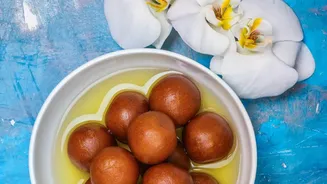
chefs, home cooks, and wellness-focused youth groups are re-examining traditional festive recipes. They aren't abandoning the sweets Lord Krishna was said to have loved; instead, they are adapting them to fit a modern understanding of nutrition. This shift is driven by a desire to indulge without guilt and to make festivals inclusive for everyone, including those managing their sugar intake. It's less about restriction and more about thoughtful substitution, preserving the soul of the prasad while updating its form.
The Rise of Natural Sweeteners
The star players in this culinary movement are natural sweeteners that have been part of Indian food traditions for centuries. Refined white sugar is being thoughtfully replaced with alternatives that offer more than just sweetness. Jaggery (gur) brings an earthy, caramel depth to sweets like Panjiri and laddoos, along with trace minerals like iron. Date syrup or finely blended dates provide sweetness and fibre, acting as a natural binding agent for energy bites. Other popular choices include figs (anjeer), raisins (kishmish), and honey, each adding its own unique flavour profile and nutritional benefits. For those seeking zero-calorie options, plant-based sweeteners like Stevia are also finding their way into recipes for classics like Shrikhand.
Reimagining Janmashtami Classics
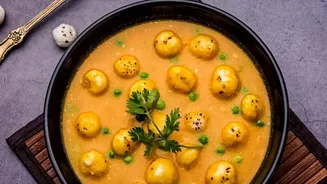
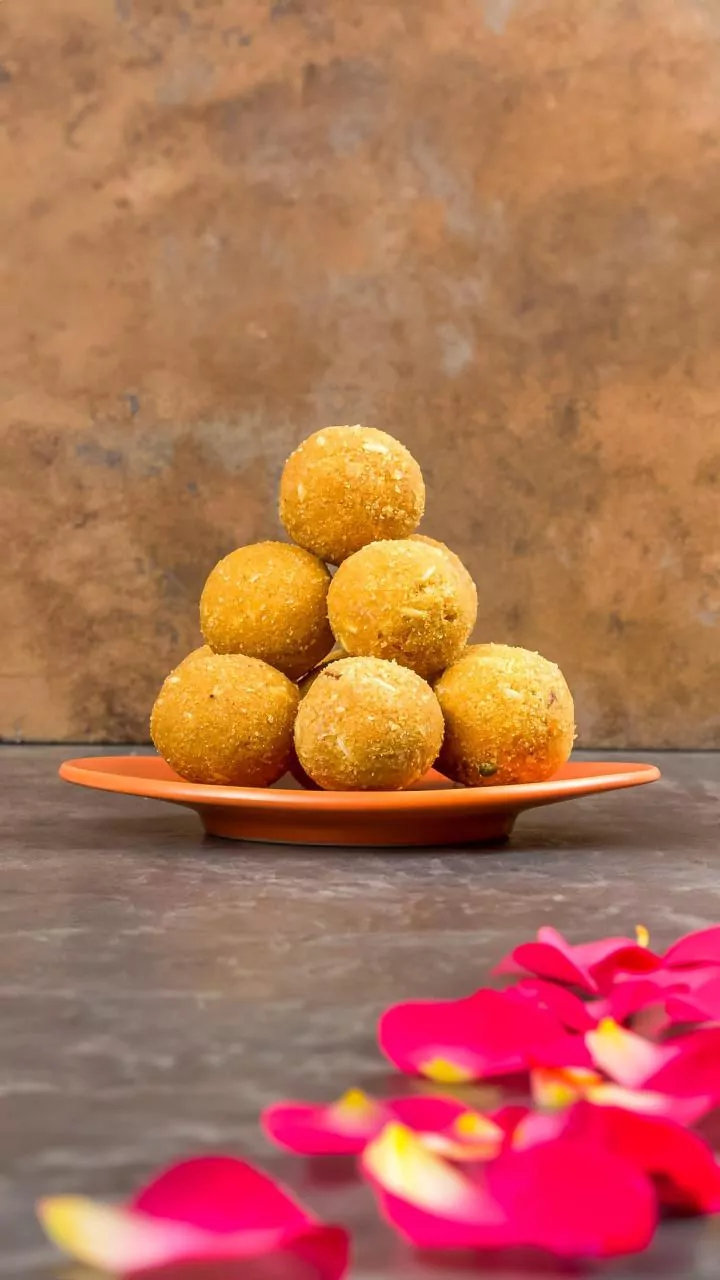
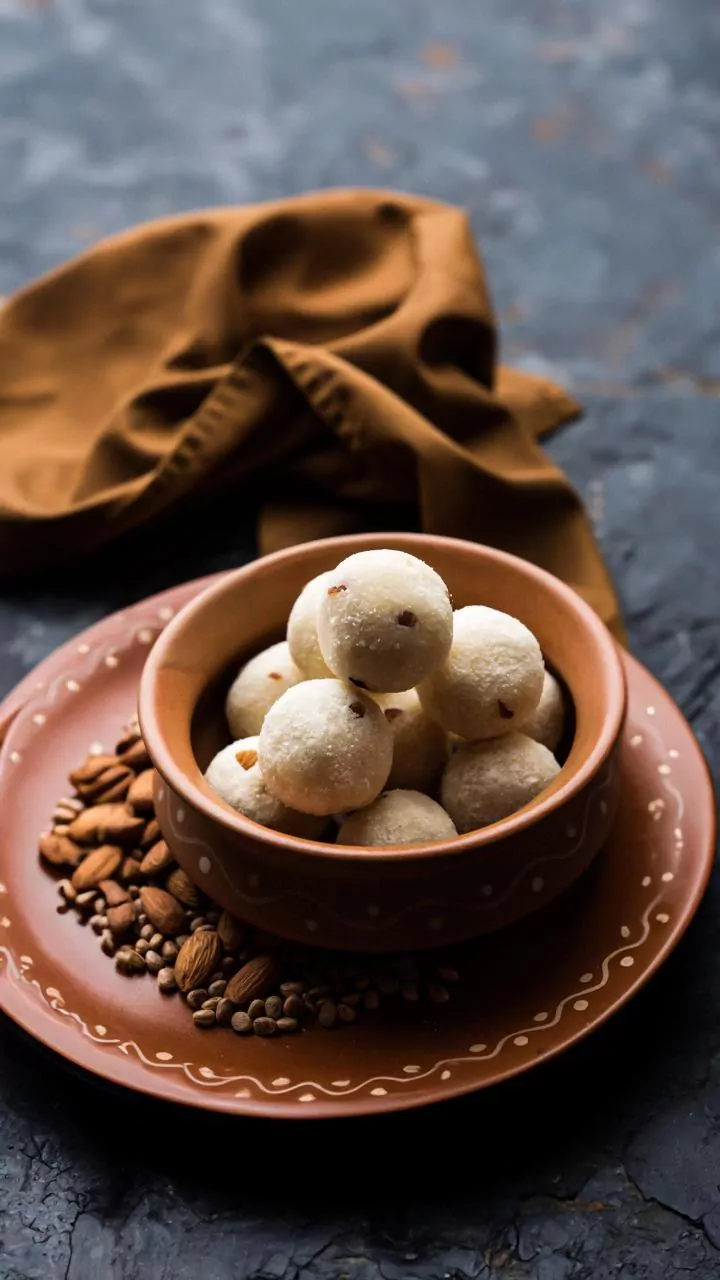
So, how do these modifications play out in actual dishes? The results are both delicious and creative. Traditional Panjiri, often made with whole wheat flour and sugar, is now being prepared with jaggery powder or date paste. Some versions even incorporate roasted makhana (fox nuts) and coriander powder for a healthier, more complex flavour. Makhan Mishri, the simple and iconic offering of butter and rock sugar, is being reimagined too. While some stick to the traditional recipe but use mishri sparingly, others are creating healthier butter-based spreads blended with fruit purees for natural sweetness. Coconut Laddoos are being made with fresh grated coconut and a touch of jaggery syrup instead of condensed milk. Similarly, Dry Fruit Laddoos, packed with nuts, seeds, and bound together with blended dates, have become a popular, nutrient-dense prasad option that requires no extra sugar at all.
Finding Your Healthy Festive Treat
This trend is fueled by a grassroots movement of information sharing. Social media platforms like Instagram and YouTube are flooded with tutorials from young food bloggers and chefs who are passionate about healthy eating. Online communities and local youth groups often exchange these recipes, encouraging each other to experiment. Beyond home kitchens, many artisanal sweet makers and health-food stores are now offering special low-sugar festive menus for occasions like Janmashtami. These small businesses, often run by young entrepreneurs, are making it easier than ever for people to access healthier festive treats. Look for local home chefs or organic cafes in your city, as many now advertise their special Janmashtami offerings online in the weeks leading up to the festival.