





Amla (Indian Gooseberry)
This small, green, and tangy fruit is a powerhouse of nutrition, especially revered during winter. Amla is famous for its incredibly high Vitamin C content, reportedly containing about 20 times more than an orange. This makes it a formidable immunity
booster, helping the body fend off common winter ailments like colds and flu. Its antioxidants also contribute to glowing skin and healthy hair, combating the dryness that often comes with colder weather. You can enjoy amla raw with a sprinkle of salt, juiced, or preserved as a sweet 'murabba'.
Guava (Amrood)
A quintessential winter fruit, guava is a fragrant and delicious treat loved across the country. It is an excellent source of dietary fibre, which aids digestion and helps prevent constipation, a common issue when our metabolism slows in the cold. Surprisingly, guavas contain four times the Vitamin C of oranges, making them fantastic for strengthening the immune system. Rich in antioxidants, this fruit also supports heart health and can help manage blood sugar levels, making it a healthy choice for many.
Pomegranate (Anaar)
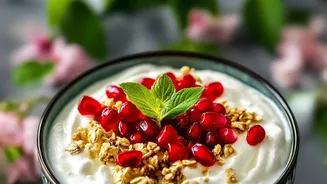
With its jewel-like seeds, the pomegranate is both visually appealing and incredibly healthy. It is loaded with powerful antioxidants like punicalagins, which help fight inflammation and protect cells from damage. Regular consumption is linked to improved heart health, as it can help lower blood pressure and cholesterol. Pomegranates are also a good source of fibre, Vitamin C, and Vitamin K. Enjoy the sweet-tart arils on their own, sprinkled over salads and yogurt, or juiced for a refreshing drink.
Oranges (Santra)
No winter fruit list is complete without the classic orange. Juicy, sweet, and bursting with flavour, oranges are synonymous with the colder months in India. Their primary claim to fame is a high concentration of Vitamin C, a vital nutrient for boosting immunity and keeping seasonal infections at bay. Oranges also provide essential fibre and are hydrating, which is important even in winter. The peak season for Indian oranges, especially the famed Nagpur variety, falls between December and February.
Custard Apple (Sitaphal)
This uniquely shaped fruit with its sweet, creamy pulp is a seasonal delicacy available from autumn through the winter months. Custard apples are a great source of energy and are rich in important nutrients like Vitamin C, Vitamin B6, potassium, and magnesium. The fibre content aids digestion and can help prevent issues like acidity and bloating. Beyond its taste, sitaphal is valued for its anti-inflammatory properties and its role in improving mood and boosting fertility. Simply scoop out the pulp with a spoon, discard the seeds, and enjoy.
Indian Jujube (Ber)
Ber is a small, round fruit that transitions from green and crisp to reddish-brown and chewy as it ripens. It is a traditional winter snack packed with nutrients. Rich in Vitamin C and antioxidants, ber helps strengthen the immune system and protect the body from cellular damage. It's also a good source of dietary fibre, which promotes digestive health and can aid in weight management by making you feel full. Additionally, this humble fruit contains potassium, which is beneficial for heart health.
Sapota (Chikoo)
With its malty sweetness and soft, grainy texture, chikoo is a beloved comfort fruit during winter. It is an excellent source of natural energy due to its fructose and sucrose content. Chikoo is also rich in dietary fibre, making it effective for promoting digestive health and relieving constipation. Laden with tannins, the fruit has natural anti-inflammatory properties that can soothe the digestive tract. Furthermore, it provides a good dose of vitamins A and C, which are beneficial for immunity and skin health.