




The Anatomy of Calm: Understanding the Vagus Nerve
At the heart of this technique is the vagus nerve, the longest cranial nerve in your body. Think of it as the main highway of your parasympathetic nervous system, often called the “rest and digest” system. While the sympathetic nervous system revs you up
for “fight or flight” during stressful moments, the vagus nerve does the opposite: it slows your heart rate, regulates breathing, and tells your body it's safe to relax. A well-functioning vagus nerve is crucial for managing stress and maintaining a sense of calm. When you feel the physical symptoms of anxiety—a racing heart, quick breathing—it’s your sympathetic system in overdrive. Activating the vagus nerve helps apply the brakes.
How Cold Water Flips the Switch
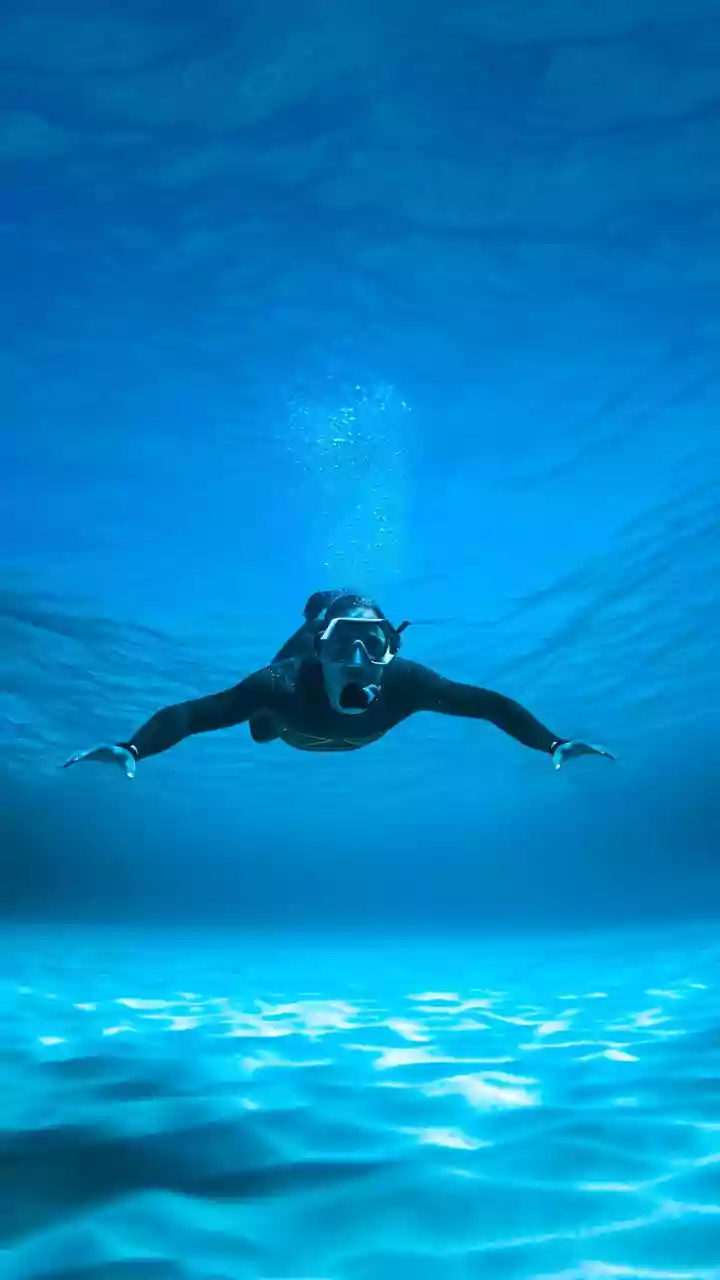
Submerging your face in cold water triggers a powerful, involuntary survival mechanism known as the mammalian diving reflex. This reflex is present in all air-breathing mammals, designed to help conserve oxygen when underwater. When the cold-sensitive nerves around your cheeks, nose, and eyes detect the chilly water, they send an immediate signal to your brain. This signal activates the vagus nerve, which in turn initiates a cascade of physiological changes. Your heart rate immediately begins to slow down, and blood flow is redirected from your limbs to your vital organs, like the brain and heart. This rapid shift effectively interrupts the body’s acute stress response, pulling you out of that heightened state of anxiety.
A Practical Guide to Cold Water Immersion
Harnessing this reflex is surprisingly simple and can be done almost anywhere. Here's a step-by-step guide: 1. Prepare the Water: Fill a large bowl or a clean sink with cold water. For a stronger effect, add a few ice cubes, but tap water that is sufficiently cold will also work. If you don't have a bowl, a very cold, wet washcloth or a gel ice pack can be used as an alternative. 2. Take a Breath: Inhale deeply and hold your breath. This is an important part of triggering the reflex. 3. Submerge Your Face: Lean forward and immerse your face in the water, ensuring the areas around your eyes and cheeks are covered. Aim to stay submerged for 15 to 30 seconds. This is generally long enough to initiate the response. 4. Breathe and Repeat: Come up for air and breathe slowly. Notice the change in your heart rate and overall feeling. If you still feel anxious, you can repeat the process after a short break. The goal is to feel a sense of grounding and a noticeable decrease in panic symptoms.
Managing Expectations and Knowing the Risks
While this technique is a powerful tool for managing acute moments of anxiety or panic, it is not a cure for chronic anxiety disorders. Think of it as an emotional first-aid kit—a way to de-escalate overwhelming feelings in the moment so you can think more clearly. It is a coping skill, not a replacement for therapy, medication, or a comprehensive mental health strategy. Furthermore, this method isn't suitable for everyone. The sudden drop in heart rate and change in blood pressure can be risky for individuals with pre-existing heart conditions or a history of arrhythmia. People with skin conditions like rosacea or cold urticaria (hives caused by cold) should also be cautious, as extreme temperatures can trigger flare-ups. If you have any underlying health concerns, it is always best to consult a doctor before trying it.