

Embrace the Art of Layering
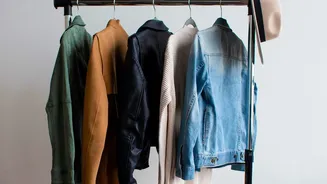
Layering is the single most effective strategy for multi-climate travel. Instead of packing bulky, single-purpose items like a heavy winter coat, think in terms of a system. A successful layering system includes a base layer, a mid-layer, and an outer
shell. A base layer, like a moisture-wicking t-shirt or long-sleeve top, manages sweat. A mid-layer, such as a lightweight fleece or a thin merino wool sweater, provides insulation. Your outer layer should be a waterproof and windproof shell that can be packed down small. A packable down jacket is another excellent, lightweight option for serious cold. This setup allows you to add or remove pieces to adapt to anything from a chilly airplane cabin to a sun-drenched beach or a cold evening.
Choose Your Fabrics Wisely
The materials your clothes are made from will make or break your 7kg challenge. Heavy fabrics like cotton and denim are slow to dry and take up significant space and weight. Instead, prioritise lightweight, versatile, and quick-drying materials. Merino wool is a traveller's favourite because it regulates temperature, resists odours, and is incredibly lightweight. This means you can wear a merino shirt multiple times before it needs washing. Synthetic fabrics like polyester are also excellent choices for their moisture-wicking and quick-drying properties. A few high-quality pieces made from these performance fabrics will serve you better than a dozen cotton t-shirts.
Stick to a Limited Colour Palette
This isn't about stifling your style; it's about maximising your options. By choosing a coordinated colour palette of neutral basics (think black, grey, navy, or beige) and adding one or two accent colours, every top you pack will work with every bottom. This simple trick dramatically increases the number of outfits you can create from a small number of items. A capsule wardrobe built on a few complementary colours means you’ll never have that “I have nothing to wear” moment, even with a minimalist bag.
Master Space-Saving Packing Techniques
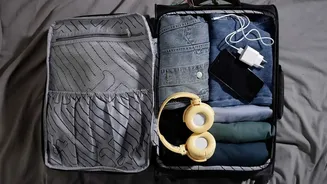
How you pack is as important as what you pack. Rolling your clothes is a proven method to save space and reduce wrinkles in casual wear. For maximum efficiency, use packing cubes. These zippered organisers not only compartmentalise your luggage, making it easy to find things, but they also compress your clothes, squeezing out excess air. For bulkier items like a fleece or down jacket, compression bags (either vacuum or manual) can be a game-changer. And don't forget to use every nook and cranny; stuff socks, chargers, and other small items inside your shoes to maximise every inch of space.
Prioritise Multi-Purpose Items
Every item in a 7kg bag has to earn its place. Look for gear that can perform two or more functions. A sarong or large scarf can be a beach cover-up, a towel, a privacy screen, or an accessory to keep you warm. Some trousers can be zipped off into shorts. A smart pair of comfortable walking shoes can work for a city tour and a casual dinner, eliminating the need for an extra pair. Even your toiletries can be multi-purpose; consider solid shampoo bars that can also be used as body wash and for laundry.
Wear Your Weight
This is a non-negotiable rule of budget air travel. Your heaviest and bulkiest items should be worn on the plane, not packed in your bag. This includes your hiking boots or heaviest shoes, your jacket, and your thickest sweater or fleece. While it might feel cumbersome for a moment, it frees up precious kilograms in your luggage allowance. Remember that the empty bag itself can weigh between 1-2kg, leaving you with only 5-6kg of actual packing weight. Wearing your heaviest items is the easiest way to stay under the limit.