


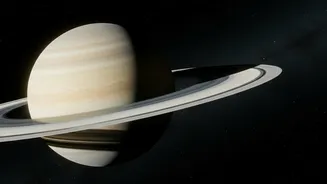
The Ringed Jewel Takes Centre Stage
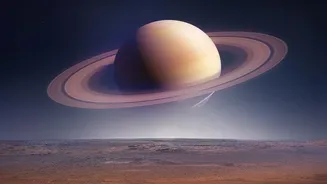
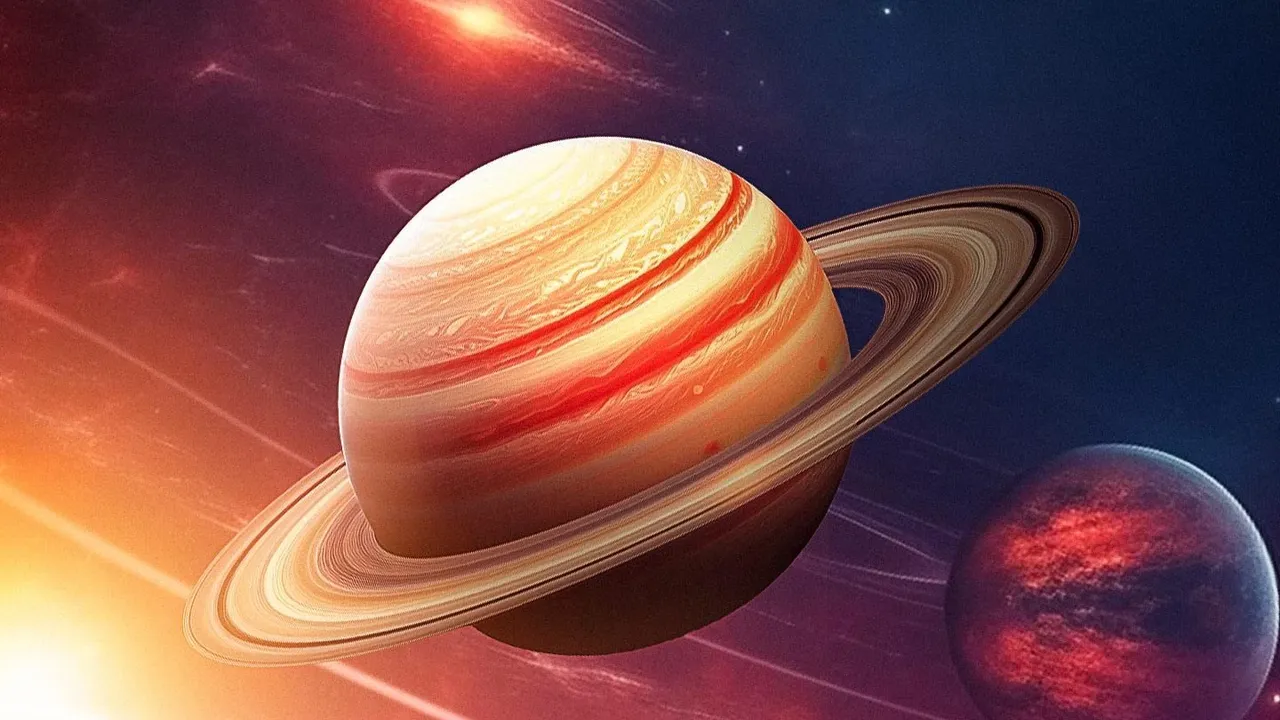
All through August 2026, Saturn will become an increasingly prominent fixture in the evening sky. Rising in the east as the sun sets, the yellowish planet will be visible throughout the night, offering a spectacular sight for observers. While it’s a beautiful
sight all month, this period is essentially the warm-up act for its main event. For telescope owners, this is a time of anticipation, as the planet gets closer and viewing conditions improve, building towards a celestial spectacle that happens only once a year.
A Celestial Alignment Called Opposition
The main reason August is so special is that it leads directly into Saturn's opposition. In 2026, this will occur on October 4. Opposition is when Earth passes directly between the Sun and an outer planet, like Saturn. Imagine the three bodies forming a straight line in space, with Earth in the middle. This alignment means Saturn is at its closest point to Earth for the year. It also means the planet is fully illuminated by the sun from our perspective. This combination of proximity and full illumination makes Saturn appear bigger and brighter in our sky than at any other time. It's the planetary equivalent of a full moon.
What Makes The View So Spectacular?
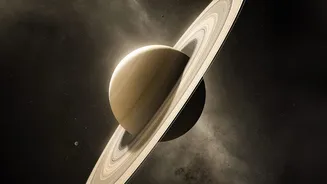
The benefits of opposition are threefold. Firstly, Saturn is visible all night long, rising at sunset and setting at sunrise, giving observers ample time to find a clear moment to view it. Secondly, its brightness peaks, making it an easy target to spot even with the naked eye, where it appears as a steady, non-twinkling, yellowish point of light. But for those with telescopes, the real magic is a phenomenon known as the 'opposition surge' or the Seeliger effect. In the days surrounding opposition, Saturn's iconic rings appear to dramatically brighten, sometimes even outshining the planet's globe itself. This happens because the ice and rock particles in the rings are directly sunlit, casting their shadows behind them and out of our line of sight. The result is a breathtakingly brilliant view of the ring system.
Tips for the Perfect Viewing
You don't need a professional observatory to enjoy the show. Even a small telescope with an aperture of at least 50mm can reveal Saturn's rings and its largest moon, Titan. For a more detailed view, showing the gap in the rings known as the Cassini Division, a larger telescope is recommended. To find Saturn, look towards the east in the evening; it will be situated in the constellation Pisces, near Cetus. For the sharpest views, it's best to wait until the planet is higher in the sky, away from the turbulent air near the horizon. Let your telescope cool down to the outside temperature to prevent distorted images, and be patient—waiting for moments of steady air will reward you with incredibly detailed sights.
More Than Just One Planet
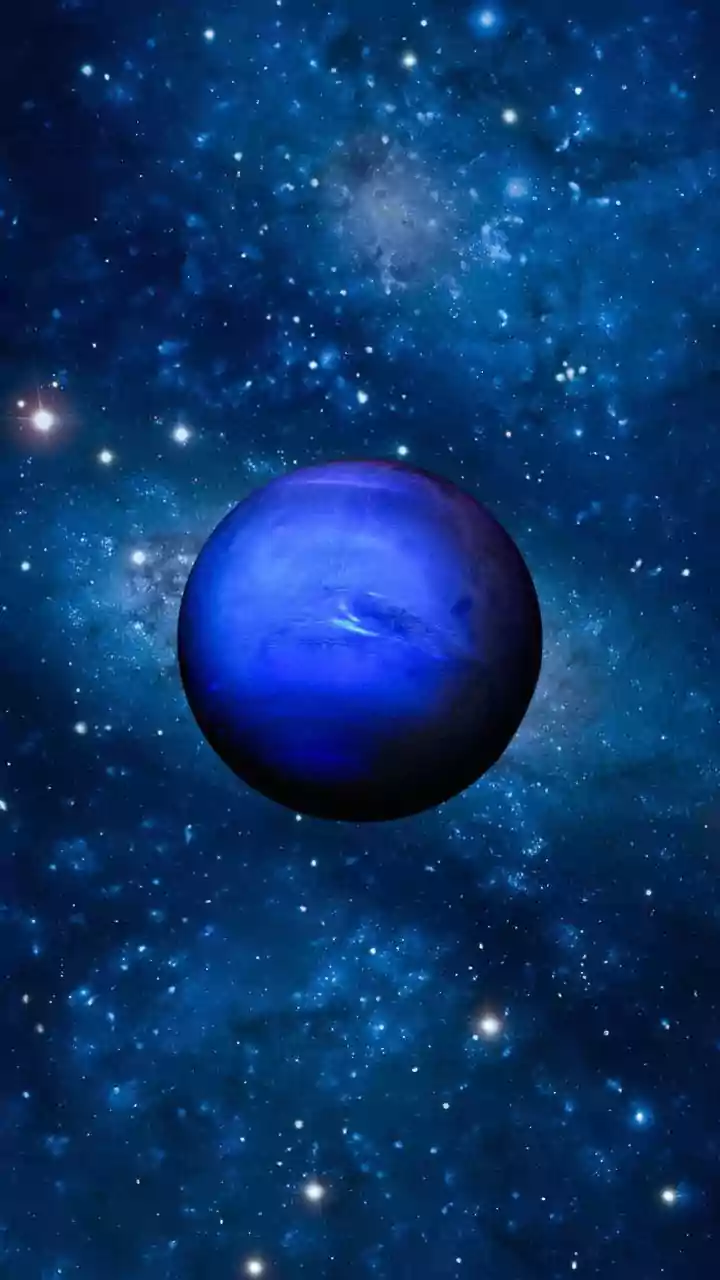
While Saturn is the star, August 2026 is a fantastic month for sky-watching in general. A pre-dawn planet parade will be visible for much of the month, featuring Mars, Uranus, Neptune, and later, Jupiter and Mercury. On the night of August 12-13, the Perseid meteor shower will peak under ideal, moonless conditions, promising a flurry of shooting stars. Furthermore, a near-total lunar eclipse will be visible across the United States on the night of August 27-28. These events make August a perfect time to get outside, look up, and reconnect with the cosmos, whether you're a seasoned astronomer or a curious beginner.