







The Rise of Unbundled Fares
In the hyper-competitive world of air travel, airlines are constantly seeking ways to advertise the lowest possible price. The latest strategy is 'unbundling' services. This means the initial ticket price is stripped down to its bare minimum: a seat on the plane.
Services that were once standard, like checked baggage, seat selection, and even meals, are now often sold as add-ons. The most recent and impactful change for many travellers is the exclusion of a standard cabin bag—the small suitcase that fits in the overhead bin. This trend allows airlines to compete with low-cost carriers on price, but it shifts the responsibility to the consumer to understand exactly what their fare includes.
Cabin Bag vs. Personal Item: A Key Distinction
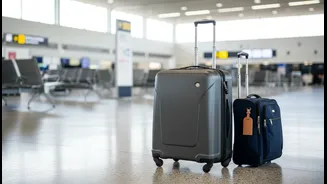
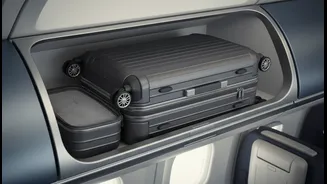
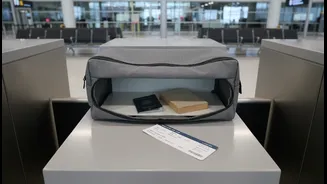
The confusion for many travellers lies in the difference between a 'cabin bag' and a 'personal item'. Most airlines have long allowed both. A cabin bag, often a small roller suitcase, must meet size limits to fit in the overhead bin (typically around 55cm x 35cm x 25cm). A personal item is much smaller, like a laptop bag, a purse, or a small backpack, and must fit under the seat in front of you. The new 'lite' fares often only permit you to bring this small personal item on board for free. If you show up at the gate with a larger cabin bag, you will face hefty fees to check it in.
Which Indian Airlines Have These Fares?
This trend is now firmly established in the Indian aviation market. IndiGo, the country's largest carrier, introduced its 'Lite Fare' which is specifically designed for passengers travelling with only one piece of cabin baggage weighing up to 7kg. This fare does not include any free checked-in baggage. Similarly, SpiceJet offers a 'Hand Baggage Only' fare, which also restricts travellers to a single cabin bag of up to 7kg. If a passenger on this fare needs to check a bag at the airport, they must pay a fee. Air India Express also has an 'Xpress Lite' fare, which is a cabin-baggage-only option providing a complimentary allowance of 7kg. It's crucial to note that while the full-service carrier Air India has recently introduced a 'Basic' fare that excludes meals, it still includes a 7kg cabin bag and a 15kg checked bag allowance, so it does not fall into this specific cabin-bag-excluded category.
The True Cost of a 'Cheap' Ticket
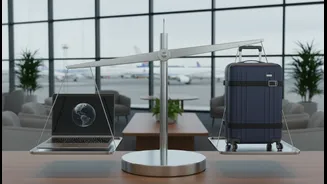
The allure of a low headline price can quickly fade when you add back the services you need. For example, if you book a 'Lite' fare and later realise you need to bring a standard cabin bag, the cost to add it can be significant. Often, purchasing baggage at the airport is far more expensive than adding it during the initial booking process. In many cases, the total cost of a 'Lite' fare plus a purchased cabin bag can exceed the price of a standard fare that included the bag from the start. A ticket that seemed Rs. 500 cheaper at first glance could end up costing Rs. 1000 more by the time you are at the gate. This makes it essential to compare the total cost, not just the initial fare.
How to Be a Savvy Traveller
Navigating this new landscape requires a little more diligence, but it can save you money and stress. First, always read the fare rules carefully before you click 'purchase'. Look for terms like 'Lite', 'Basic Economy', or 'Hand Baggage Only'. Second, do a quick cost comparison. If you know you'll need a cabin bag, check the price of the standard fare against the 'lite' fare plus the fee for adding a bag. Third, consider your packing style. If you're on a very short trip and can fit everything into a small backpack, these fares can offer genuine savings. Finally, if you do book a hand-baggage-only fare, double-check your bag's dimensions and weight at home to ensure it qualifies as a personal item, avoiding a costly surprise at the boarding gate.