




A Shift Towards Authentic Experiences
There's a noticeable shift in how Indian travellers are planning their holidays. The search for authentic, offbeat, and meaningful journeys is leading them away from conventional tourist traps and towards destinations that offer a genuine connection with
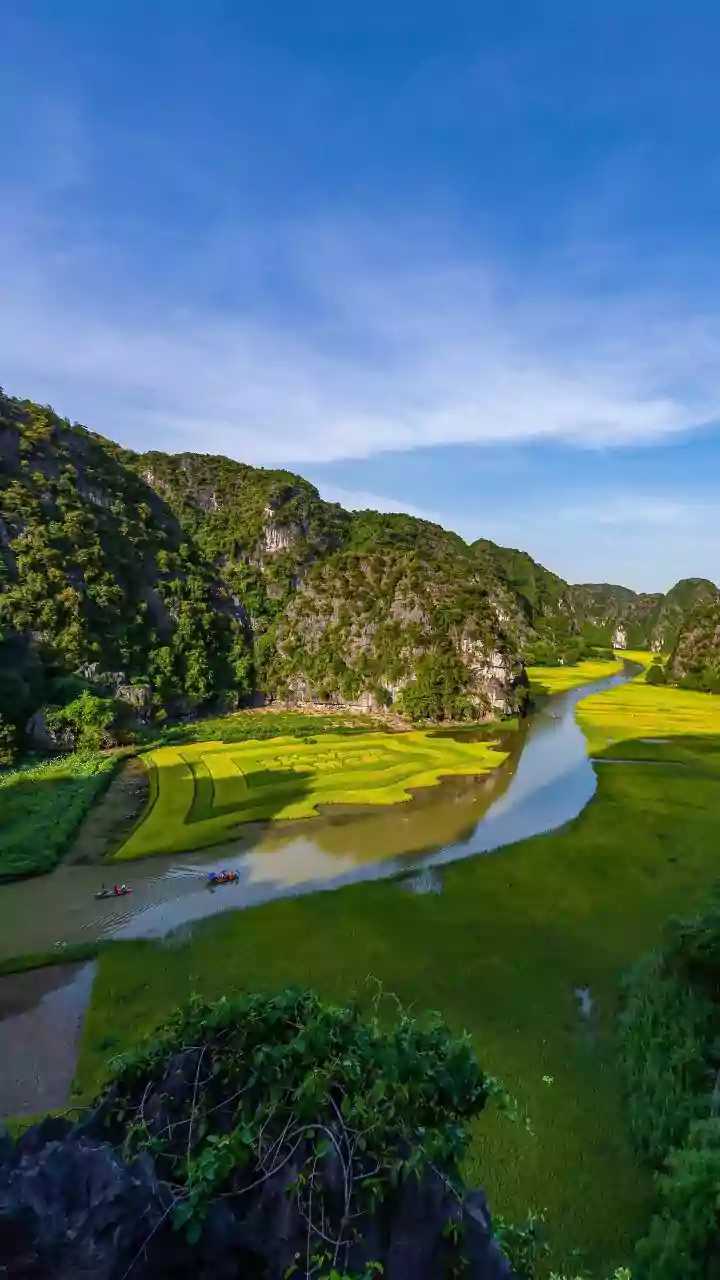
nature and culture. Assam is perfectly positioned to meet this demand. Reports show a massive surge in interest for destinations within the state, with cities like Jorhat seeing a nearly 500% increase in travel searches, even outpacing popular international spots. This trend highlights a growing desire for vacations that align with personal passions like nature, wellness, and cultural exploration, all while remaining conscious of budget and sustainability. The state's tourism sector is responding, with a clear focus on developing eco-tourism, community-based travel, and improving infrastructure to welcome this new wave of curious travellers.
Beyond the Famous One-Horned Rhino
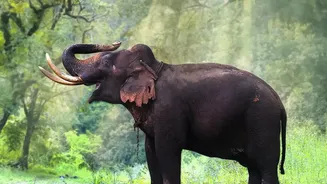
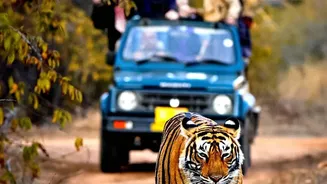
Kaziranga National Park, a UNESCO World Heritage Site, is rightly famous for hosting two-thirds of the world's one-horned rhinoceros population. While safaris here are a bucket-list experience, the fresh interest in Assam is also driven by the exploration of its other natural treasures. Manas National Park, another UNESCO site, offers stunning scenery and is a critical habitat for tigers, elephants, and rare species like the golden langur. For birdwatching enthusiasts and adventure seekers, Nameri National Park provides incredible opportunities for trekking and river rafting on the Jia Bhoroli river. Meanwhile, Dibru-Saikhowa National Park, a biosphere reserve, is known for its incredible avian diversity and as a habitat for feral horses. Exploring these lesser-known parks allows for a more intimate and diverse wildlife experience.
The Rise of Community and Eco-Tourism
Modern travellers are not just content with seeing a place; they want to experience it responsibly. Assam is becoming a leader in community-led eco-tourism, an approach that directly involves and benefits local populations. Initiatives like the Manas Maozigendri Ecotourism Society (MMES) and the Singpho Eco-Lodge near the Dehing Patkai belt offer travellers the chance to stay in homestays or community-run guesthouses. These stays provide deep cultural immersion, from sharing traditional meals to learning about local customs of Bodo or Singpho communities. This model of tourism ensures that revenue supports conservation and provides sustainable livelihoods, reducing dependence on activities like poaching. It transforms a holiday into a meaningful exchange, where visitors contribute positively to the places they explore.
Life in the Emerald Tea Gardens
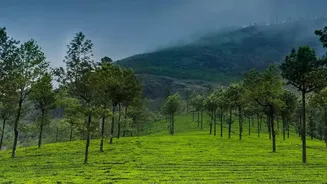
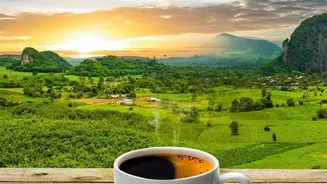
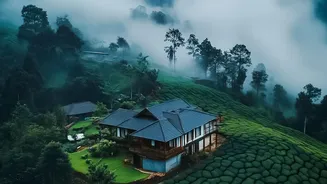
No nature-focused trip to Assam is complete without experiencing its world-famous tea culture. The state produces more than half of India's tea, and its sprawling estates offer a unique form of tranquil retreat. A growing number of heritage tea bungalows, once the homes of colonial-era planters, have been converted into boutique accommodations. Staying in one of these bungalows allows you to wake up to misty green vistas, take guided walks through the tea bushes, and learn firsthand about the journey from leaf to cup at a local factory. Cities like Jorhat, known as the 'Tea Capital of India', serve as perfect bases for exploring these estates. This experience combines the serenity of nature with a fascinating glimpse into the region's rich agricultural heritage.
Adventures on the Mighty Brahmaputra
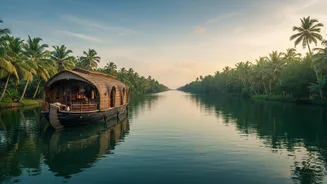
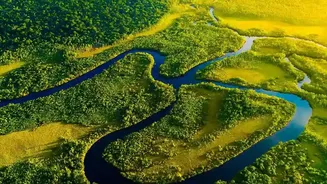
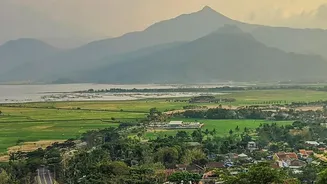
The Brahmaputra River is the lifeline of Assam, and exploring it offers a completely different perspective on the state's natural beauty. River cruises are becoming an increasingly popular way to see the region, with options ranging from short sunset trips to multi-day luxury expeditions. These cruises often combine wildlife viewing with cultural stops. A major highlight is a visit to Majuli, the world's largest river island and a hub of neo-Vaishnavite culture. Here, you can explore ancient monasteries (Satras), witness unique dance forms, and experience the serene island life. Cruising the Brahmaputra also offers chances to spot Gangetic dolphins and enjoy the immense, shifting landscapes of the river corridor, making it a powerful and memorable part of any Assamese nature holiday.