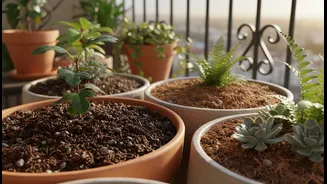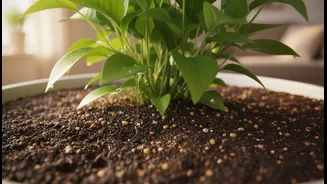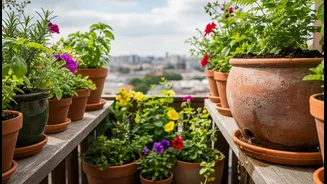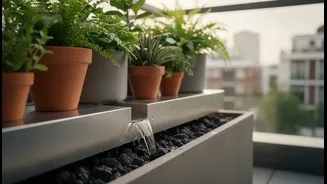







Why Garden Soil Is Not the Answer
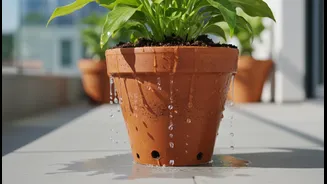
It might seem intuitive to scoop up soil from a garden bed to fill your containers, but this is a common first mistake. Garden soil is simply too dense and heavy for pots. When watered in a confined space, it compacts quickly, squeezing out the air pockets
that roots need to breathe. This leads to poor drainage, waterlogged conditions, and ultimately, root rot. Furthermore, garden soil can contain weed seeds, pests, and pathogens that, once in the controlled environment of a pot, can cause significant problems. Potting mixes, on the other hand, are specifically engineered to provide the ideal balance of aeration, drainage, and moisture retention for container life.
Deconstructing the Perfect Mix
A high-quality potting mix, often called 'soilless media', is a carefully balanced blend of ingredients. The main goal is to create a medium that is lightweight, holds moisture without becoming soggy, provides nutrients, and offers stable support for the plant. Most commercial and homemade mixes are built around three key components. First is a base for structure and moisture retention, typically peat moss or coconut coir. Second is an aeration amendment, like perlite or vermiculite, to keep the mix light and allow roots to breathe. The third is a source of nutrition, usually compost or worm castings, which provides essential nutrients for your plants.
Key Ingredients to Know
Understanding the role of each ingredient helps you choose the best bag or even create your own custom blend. Coco Coir: A sustainable byproduct of the coconut industry, coir is excellent at retaining moisture and improving the structure of your mix. It often comes in compressed bricks that expand with water. Peat Moss: Harvested from bogs, this is a traditional base for potting mixes due to its superb water-holding capacity. However, it is quite acidic, so mixes containing it often add lime to balance the pH. Perlite: These little white specks are pieces of heated volcanic glass. Perlite is extremely lightweight and porous, creating air pockets in the mix to improve drainage and prevent compaction. Vermiculite: This mineral also improves aeration but, unlike perlite, it excels at retaining water and nutrients, releasing them back to the plant as needed. It's great for plants that prefer consistent moisture. Compost and Worm Castings: These are the nutritional powerhouses. They introduce beneficial microbes and a slow-release source of nutrients to feed your plants over time.
Store-Bought vs. DIY Mix
For most beginners and those with limited storage, buying a quality pre-made potting mix is the easiest route. Look for bags labeled for 'container use' or 'potting mix', not 'garden soil' or 'topsoil'. There are excellent all-purpose options available, as well as specialty mixes tailored for succulents, which need more drainage, or vegetables, which may need more nutrients. For those who are more adventurous or have specific needs, making your own mix can be cost-effective and rewarding. A fantastic, easy-to-remember all-purpose recipe is the 1-1-1 formula: one part coco coir or peat moss, one part perlite or vermiculite, and one part compost. You simply measure by volume (e.g., one bucket of each) and mix thoroughly in a large tub or wheelbarrow.
Tailoring the Mix to Your Plants
One of the biggest advantages of understanding potting mix is the ability to customize it. If you're growing succulents or cacti, you’ll want a mix that dries out quickly. You can achieve this by increasing the amount of perlite or coarse sand in your mix for sharper drainage. For thirsty plants like tomatoes or ferns, adding more vermiculite or compost will help the mix retain more moisture, reducing how often you need to water. Don't be afraid to amend a store-bought bag. If a standard mix seems too heavy, mixing in an extra handful of perlite can make a big difference.