






Why a Reset Is More Than Just Cleaning
Think of the weekly kitchen reset not as a chore, but as a strategic advantage for the week ahead. The goal isn't just to have a sparkling kitchen, but to create a system that saves you time, money, and mental energy. A well-executed reset reduces food
waste, which is a significant issue for many households. It provides a clear picture of what you have, preventing you from buying duplicate items and letting good food expire. Psychologically, an organized kitchen can reduce stress and make cooking feel less like a task and more like a creative outlet. By taking an hour each week to realign your space, you’re setting yourself up for smoother mornings, easier meal prep, and a more peaceful home environment.
Step 1: The Leftover and Ingredient Audit
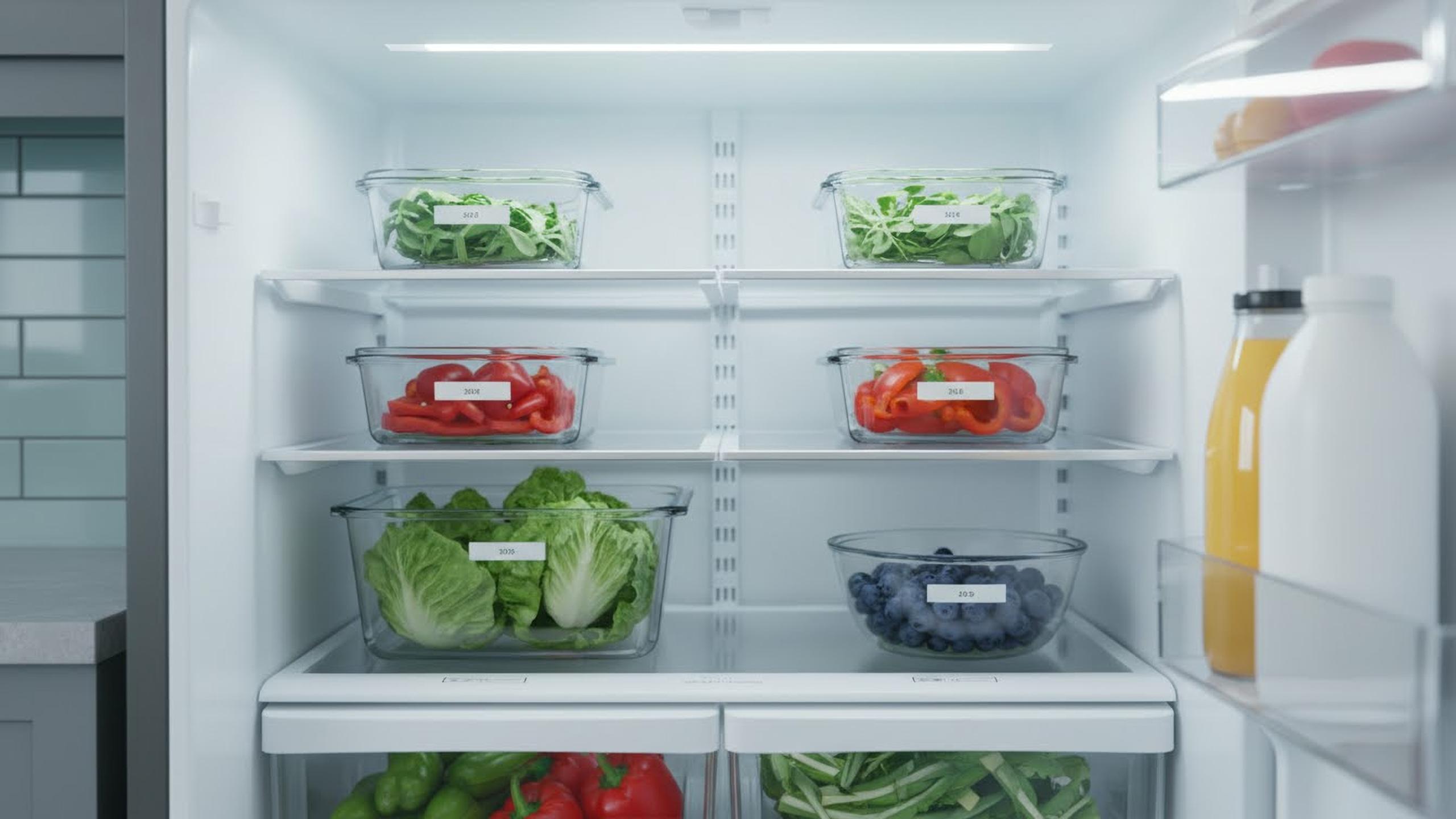
Before you wipe a single shelf, begin with an audit. Open your fridge and pantry and take stock of everything. Pay special attention to leftovers from the past few days. What can be eaten as is? What is nearing its end? This is also the time to assess produce and other perishables. Group items that need to be used soon. This 'first in, first out' method, used by restaurants, ensures that older food gets used before newer items. Move items nearing their expiration date to the front of the shelf as a visual reminder. This initial step is crucial because it informs every subsequent decision, from what to have for lunch tomorrow to what goes on your grocery list.
Step 2: Reimagining Leftovers as Ingredients
The key to successfully using leftovers is to stop thinking of them as repeat meals and start seeing them as pre-prepped ingredients. That leftover roast chicken can be shredded for sandwiches, tacos, or a quick stir-fry. Extra dal can be thinned into a soup, and leftover sabzi can become a delicious filling for parathas or toasties. A container of cooked rice is the perfect base for fried rice or a burrito bowl. Planning for 'intentional leftovers' can be a game-changer; cook larger batches of staples like rice, lentils, or grilled vegetables with the specific purpose of repurposing them later in the week. This approach not only prevents boredom but also makes weeknight dinners incredibly fast.
Step 3: A Strategy for Your Storage Space
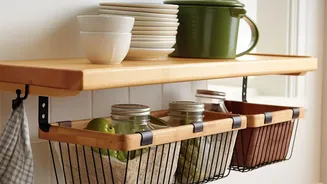
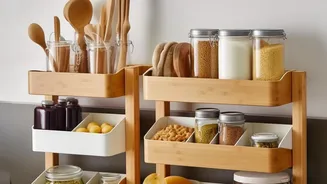
Once you know what you have, it's time to organize it logically. Effective storage is not about having a massive kitchen, but about using your space wisely. Invest in clear, stackable containers for leftovers. This allows you to see what you have at a glance, avoiding the dreaded 'mystery container' that gets thrown out weeks later. Designate specific zones in your fridge: one shelf for leftovers, a crisper for vegetables, and a drawer for meats and cheeses. This system makes finding things intuitive and quick. In your pantry, group similar items together—all your grains in one spot, all your canned goods in another. Use risers or tiered shelves to make the most of vertical cabinet space so you aren't constantly unstacking items.
Step 4: The Final Clean and Restock
With your food audited and organized, the final step is the reset itself. Now is the time to wipe down those empty shelves and countertops. Clean out any spills in the fridge. With a clear view of your inventory, create your grocery list. Your list should be designed to fill the gaps and complement the ingredients you already have, especially those you've prioritized for use. If you have half a head of cabbage and some carrots, perhaps you just need noodles and sauce for a stir-fry. This targeted approach to shopping prevents overbuying and ensures that the food you bring into your home has a purpose, completing the cycle of your weekly kitchen reset.