





Cater to Every Palate and Preference
In any gathering, you're likely hosting guests with a wide range of tastes and dietary needs. A mixed menu is the most graceful way to ensure everyone feels welcome and well-fed. Offering a variety of dishes—some vegetarian, some non-vegetarian, some milder
and others spicier—means you can accommodate different preferences without preparing separate, individual meals. Asking guests about their dietary needs in advance is a thoughtful first step. A balanced spread might include a hearty dal, a paneer preparation, a chicken or fish curry, and several vegetable sides. This approach ensures that those with restrictions, whether they are vegetarian, vegan, or avoiding gluten, have plenty of delicious options and feel naturally included in the feast.
A Symphony of Flavours and Textures
A great meal is about more than just a single taste; it's a journey of complementary and contrasting sensations. A menu with variety allows you to play with the five primary tastes: sweet, sour, salty, bitter, and umami. Imagine a rich, creamy curry paired with a sharp, tangy chutney, or a spicy main balanced by a cooling raita. This interplay keeps the palate engaged. Texture is just as crucial. A dish can be ruined by a monotonous texture, no matter how well-seasoned. By mixing crispy snacks, creamy dals, tender vegetables, and hearty grains, you create a more dynamic and satisfying eating experience. The combination of crunchy, soft, and chewy elements makes each bite more interesting.
Create a Visual Feast
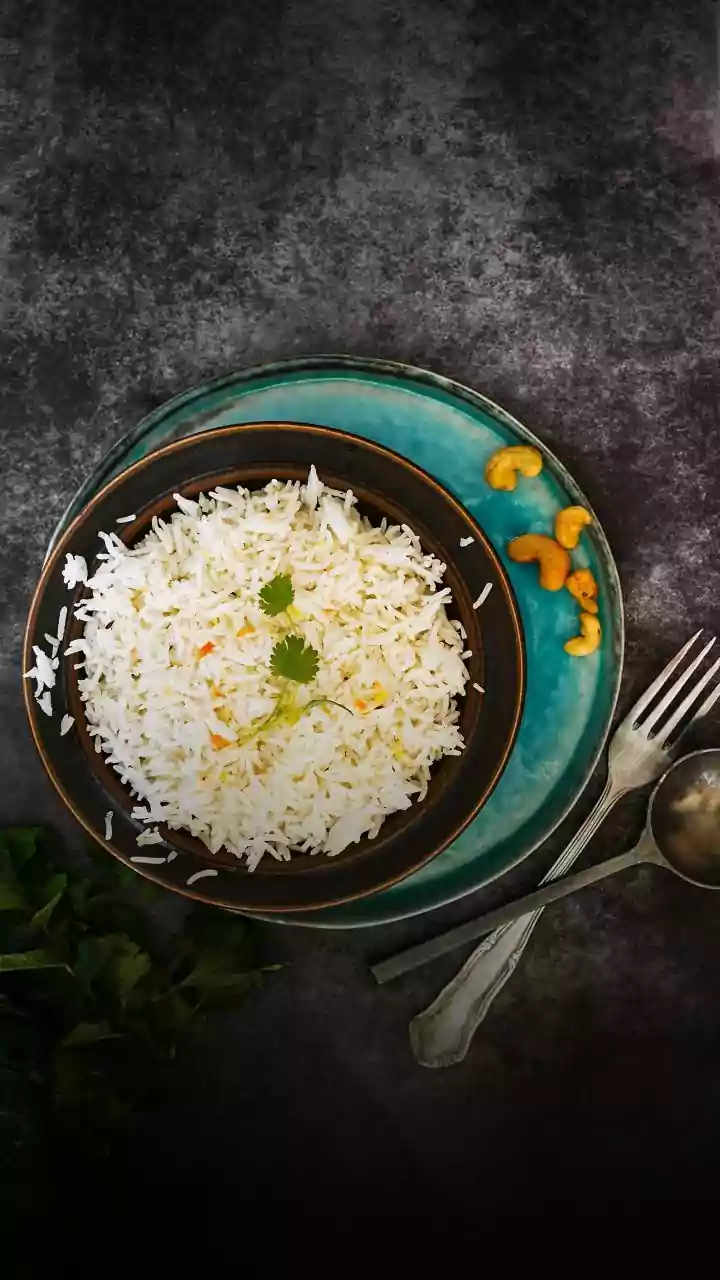
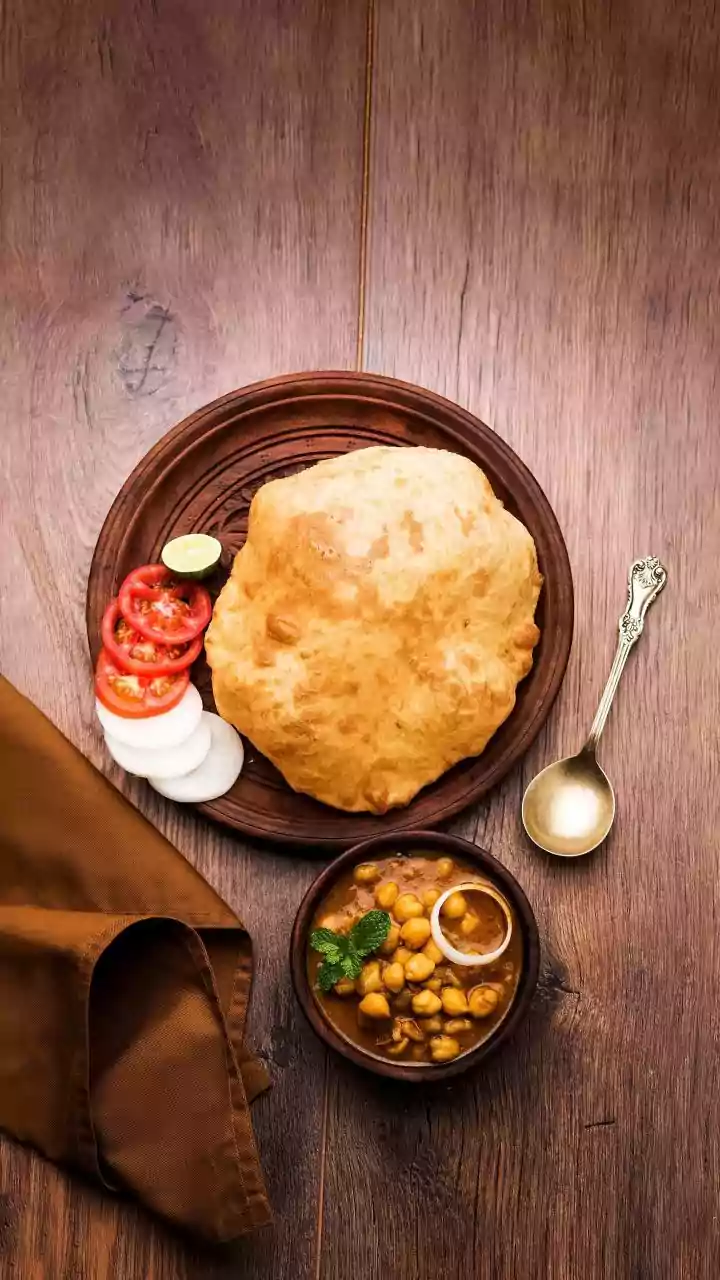
We eat with our eyes first, and a diverse menu is inherently more beautiful. A table filled with dishes of varying colours and shapes is far more appealing than one dominated by a single colour palette. Think of the vibrant red of a tomato-based dish, the deep green of palak paneer, the sunny yellow of a lemon rice, and the earthy tones of roasted vegetables. This visual appeal enhances how guests perceive the food, making the meal feel more special and celebratory before they even take their first bite. A good rule of thumb is to try and incorporate several opposing colours onto the table to make the spread feel more enthusiastic and inviting.
Make Hosting a Stress-Free Affair
From a host's perspective, one of the greatest benefits of a mixed menu is the ability to better manage your time and energy. Relying on a single, complex main dish can create immense pressure on the day of the event. A varied menu, however, allows you to combine dishes that can be prepared in advance with those that need last-minute attention. Curries and dals often taste even better the next day as the flavours meld. Chutneys, marinades, and some desserts can be made days ahead. This leaves you with only a few items, like breads or a final tadka, to handle just before serving. By spreading out the workload, you can spend less time stressed in the kitchen and more time enjoying the celebration with your loved ones.