



Nag Tibba: The Weekend Summit
Often called the perfect weekend trek, Nag Tibba, or 'Serpent's Peak', is incredibly accessible, located near Mussoorie in Uttarakhand. It's an ideal choice for those with limited time, typically a two-day trek that packs in a surprising amount of adventure.
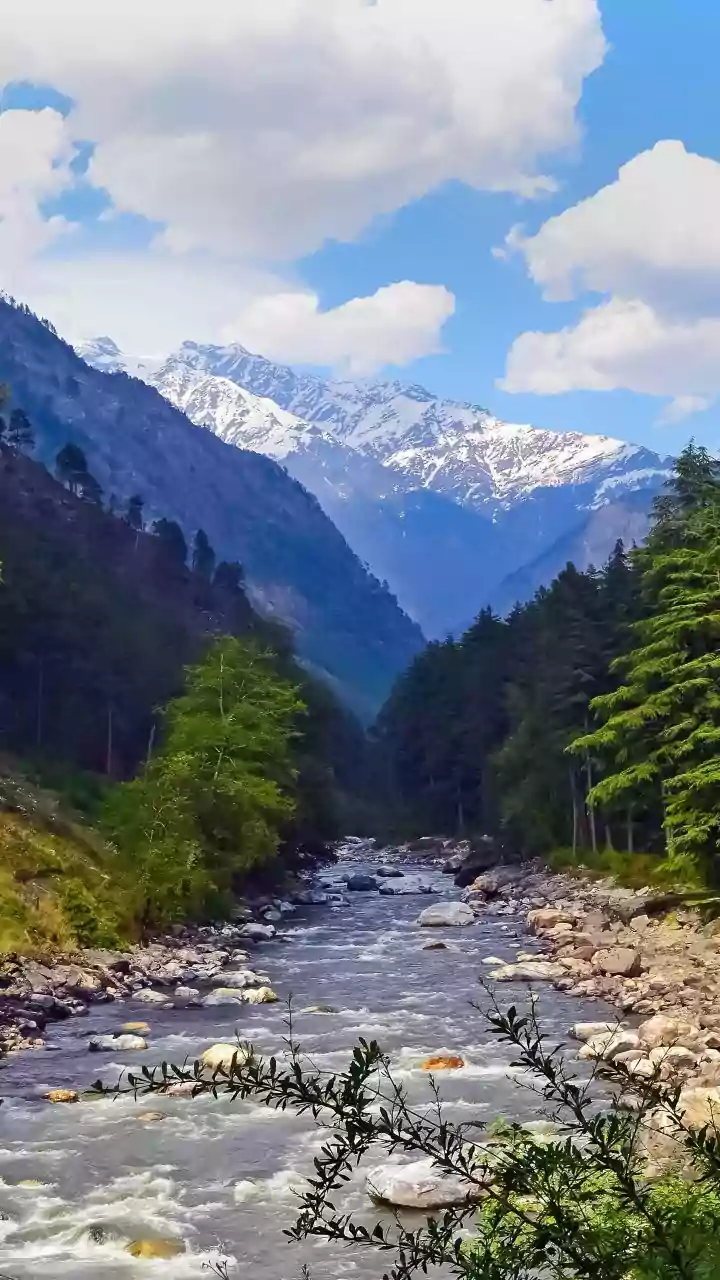
The trail winds through dense forests of oak and rhododendron, opening up to clearings with gradual ascents. The trek is considered easy to moderate, with a manageable altitude of around 9,915 feet, which minimises the risk of altitude sickness. The final push to the summit is a bit steep but rewards you with a spectacular 360-degree view of Himalayan peaks like Swargarohini, Bandarpoonch, and the Gangotri group. The best times to go are from March to June and September to December, with winter offering a magical snowy landscape.
Kedarkantha: A Winter Wonderland
If your dream of the Himalayas involves walking through a snowy paradise, the Kedarkantha trek is for you. Situated in Govind Pashu Vihar National Park, it's hailed as one of the best winter treks in India, hugely popular between December and April. While promoted as a beginner trek, the snow and cold make it a rewarding challenge. The trek is about 20 km spread over 4-5 days, starting from the village of Sankri. The trail is well-marked, passing through pristine forests, frozen streams, and the beautiful Juda-ka-Talab, a high-altitude lake that often freezes over in winter. The summit, at 12,500 feet, offers jaw-dropping panoramic views of mighty Himalayan ranges. Though it's a winter classic, it's also beautiful in autumn (September-November) with clear skies and golden hues.
Dayara Bugyal: The Meadow of Dreams
‘Bugyal’ means high-altitude meadow in the local dialect, and Dayara Bugyal is considered one of the most beautiful and expansive in the Himalayas. This trek is perfect for beginners who want vast, open landscapes and postcard-perfect views. Located in Uttarakhand, the trek usually starts from the village of Raithal or Barsu. Over 4-6 days, you’ll journey through enchanting oak and maple forests before emerging into the famous undulating meadows. In spring, these meadows are carpeted with wildflowers, while in winter they are draped in a pristine blanket of snow. A highlight is the climb to Bakaria Top, the highest point at around 12,000 feet, which offers a stunning 180-degree panorama of peaks including Bandarpoonch, Black Peak, and the Gangotri range.
Brahmatal: The Lake of Brahma
Another fantastic winter option, the Brahmatal trek is renowned for its views of two frozen alpine lakes, Bekaltal and Brahmatal. Rated easy-to-moderate, it's a great choice for fit beginners looking for a snow adventure without extreme technical difficulty. The trek begins from Lohajung village and spans about 6 days. The trail is a journey through ancient forests of oak and rhododendron, which are particularly beautiful when dusted with snow. The main attraction is reaching Brahmatal Top at 12,250 feet. From this vantage point, you get an awe-inspiring, up-close view of some of the most celebrated giants of the Garhwal Himalayas, including Mt. Trishul and Nanda Ghunti. The best time for snow is from December to February, but the trek is also accessible in the pleasant spring months of March and April.
Your First-Trek Essentials
While these treks are beginner-friendly, preparation is key. Ensure you have a basic level of fitness; being able to walk 5 km comfortably is a good benchmark. Invest in a good pair of waterproof trekking shoes with ankle support — this is non-negotiable. Pack light, but smart. Layering is essential to adapt to changing temperatures. Your pack should include thermals, fleece jackets, a waterproof and windproof outer jacket, trekking pants, woollen socks, a cap, gloves, and sunglasses. Always carry a water bottle to stay hydrated, a small personal medical kit, and a headlamp. For your first time, it is highly recommended to go with a reputable trekking company that will handle logistics, safety, and guidance.