



A precious delivery from low-Earth orbit has successfully splashed down, not with astronauts, but with something just as valuable: frozen scientific research. The SpaceX CRS-35 mission's return marks a critical step in groundbreaking space-based studies.
A Successful Splashdown
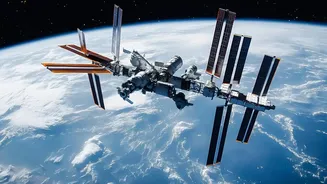
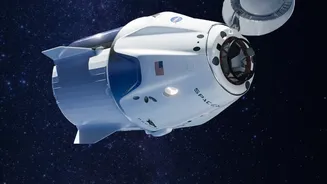
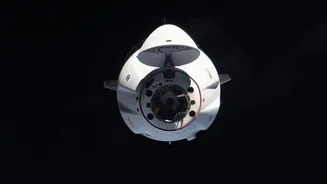
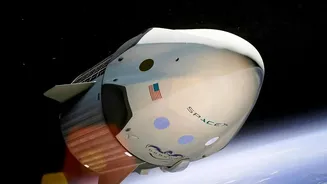
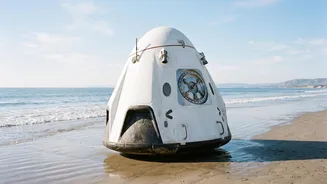
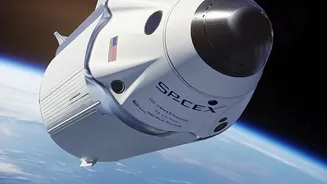
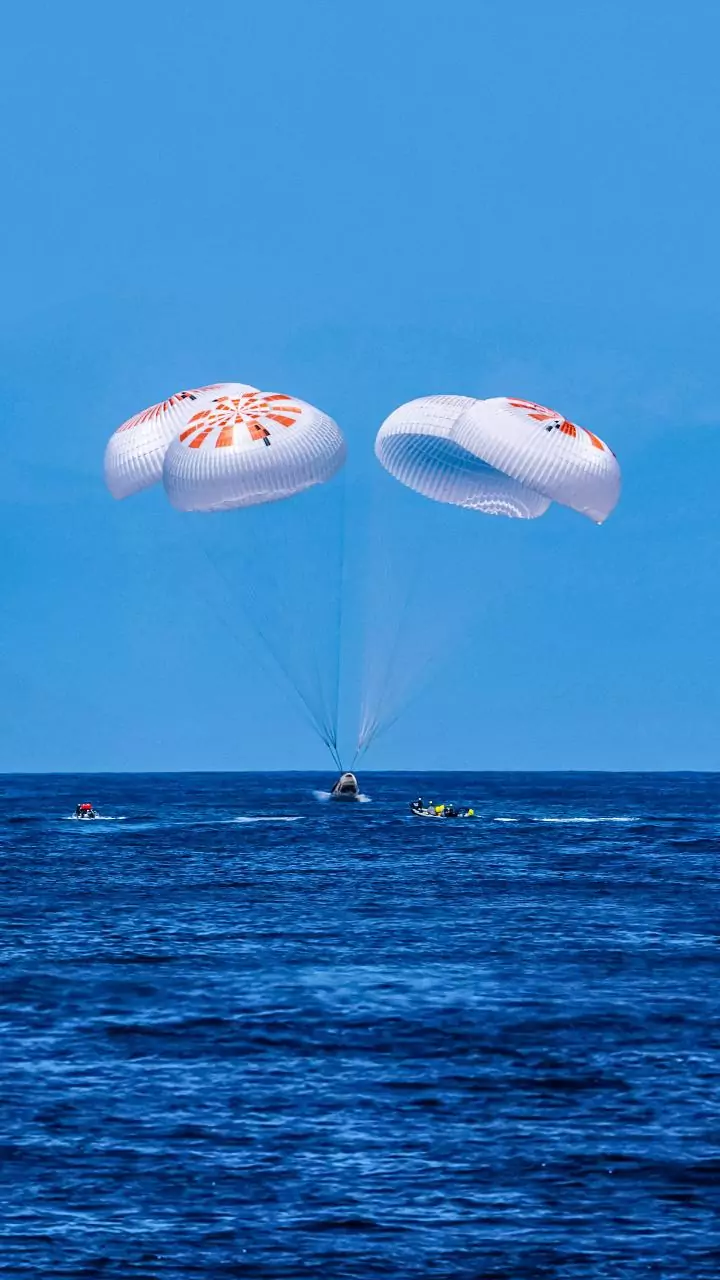
A SpaceX Dragon cargo capsule successfully splashed down in the Pacific Ocean off the coast of California on Saturday, November 21, completing a 39-day mission to the International Space Station (ISS). The uncrewed spacecraft undocked from the orbiting laboratory on November 20, making its fiery, 29-hour journey back through Earth's atmosphere before a parachute-assisted landing in the ocean. Recovery teams were immediately on site to retrieve the capsule and its invaluable contents. This mission, designated CRS-35, is the 35th flight by SpaceX under its Commercial Resupply Services contract with NASA, a long-standing partnership that keeps the ISS stocked with supplies and science.
The 'Cold Chain' of Science
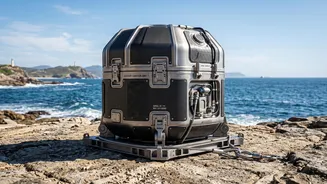
Much of the excitement surrounding the return centers on the thousands of pounds of cargo, particularly the time-sensitive scientific samples stored in freezers. These frozen experiments are crucial because they allow scientists on Earth to study biological materials that have been exposed to the microgravity environment. Among the returned items were frozen tumor organoids that were part of an experiment to test cancer treatments in space. Researchers hope studying these lab-grown tissue models will reveal new information to improve cancer therapies and advance personalized medicine. Also returning were 3D-bioprinted blood vessel constructs used to investigate cardiovascular disease and the aging process, offering a unique look at cellular changes that are hard to study on Earth.
Microbes, Sleep and Future Missions
Beyond the cancer and cardiovascular studies, Dragon brought back frozen microbial samples. Scientists will analyze these to better understand how antibiotic-resistant bacteria survive and evolve in space—a critical safety concern for future long-duration missions to the Moon and Mars, where medical resources will be scarce. Another interesting piece of hardware that returned was a specialized lighting system that had been on the station for over three years. Researchers tested its potential to improve astronauts' sleep cycles and well-being, a key factor in maintaining crew health and performance on long journeys. The ability to bring these samples and hardware back to Earth for detailed analysis is fundamental to the entire research process.
A Vital Commercial Partnership
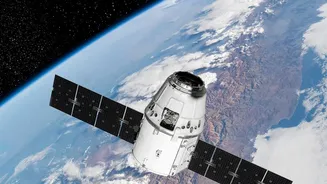
The CRS-35 mission highlights the essential role of commercial companies in the modern space ecosystem. NASA's Commercial Resupply Services program, initiated in 2008, contracted with private companies like SpaceX and Northrop Grumman to handle the logistics of supplying the ISS. This approach has proven highly successful, creating a reliable supply chain to the orbiting lab. The SpaceX Dragon capsule has a unique and vital capability: it is the only currently operational cargo vehicle that can return significant amounts of cargo to Earth. Other vehicles, like Northrop Grumman's Cygnus, are designed to burn up on reentry, making them suitable for trash disposal but not for returning sensitive experiments. This return capability makes Dragon an indispensable tool for maximizing the scientific output of the ISS.
The Mission's Journey
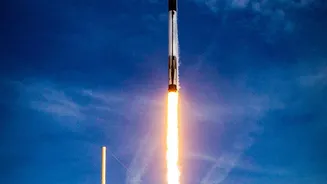
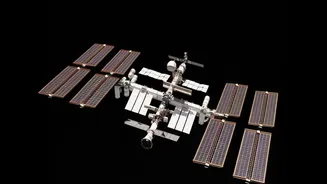
The CRS-35 mission began on October 13, 2026, with a launch atop a Falcon 9 rocket from Cape Canaveral, Florida. The Dragon capsule docked with the ISS two days later, delivering over 6,300 pounds of supplies, crew equipment, and new science experiments. Among the cargo delivered to the station was the final pair of ISS Roll-Out Solar Arrays (iROSAs), which completed a multi-year effort to upgrade the station's power grid and increase its capacity for scientific research by about 30 percent. After nearly 37 days attached to the station, the capsule was loaded with the completed experiments and other return cargo for its successful journey home.