



The Western Powerhouse: Gujarat & Maharashtra
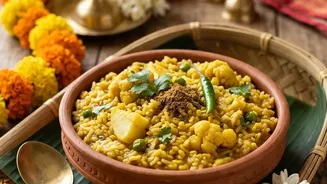
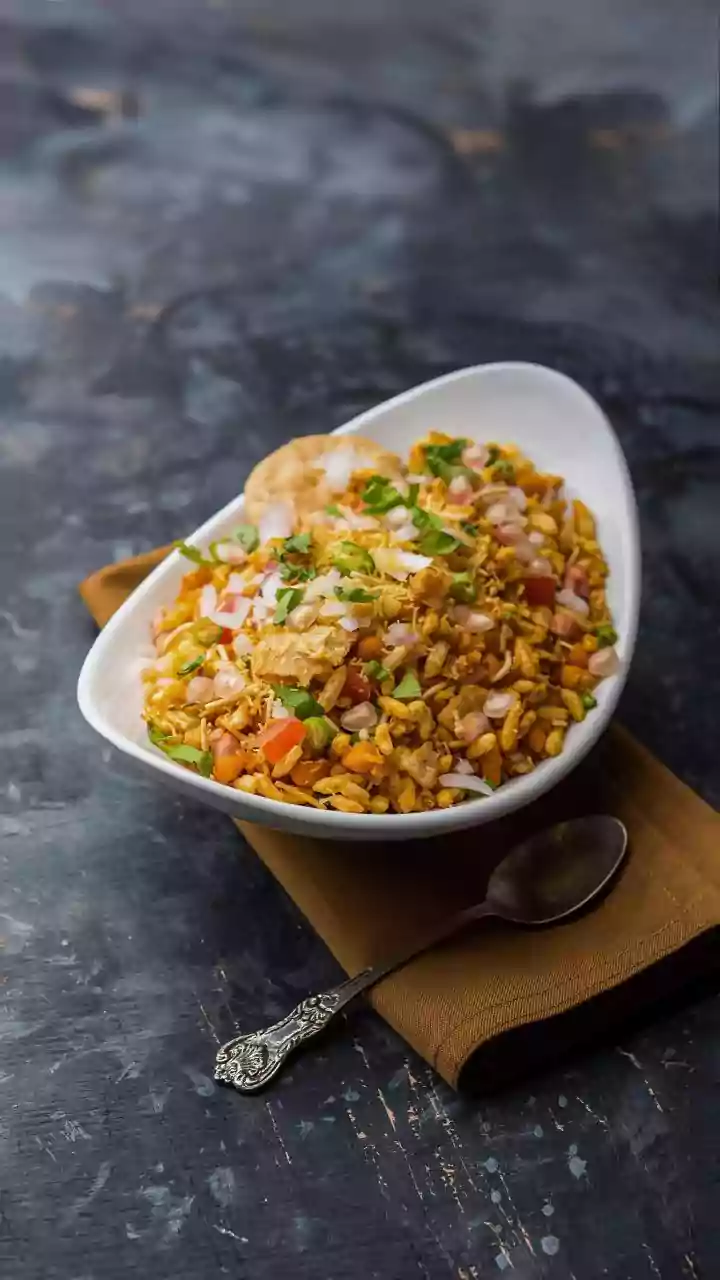
In the western states of Maharashtra and Gujarat, fasting food, or 'farali,' is a masterclass in turning a limited pantry into a feast. The undisputed star is Sabudana (tapioca pearls). In Maharashtra, it's often prepared as Sabudana Khichdi, a fluffy
and savoury dish made with crushed peanuts, potatoes, and a hint of green chilli, providing a much-needed energy boost. Another favourite is the Sabudana Vada, a deep-fried patty that’s crispy on the outside and soft inside. In Gujarat, you’ll find Farali Pattice, which are potato patties stuffed with a sweet and spicy mixture of coconut and nuts. Flours like singhara (water chestnut) and rajgira (amaranth) are used to make puris and theplas, often served with a simple potato curry or a tangy yogurt-based kadhi thickened with fasting-compliant flour.
Southern Simplicity: The Sundal Tradition
Travel south, and the Navratri food landscape transforms. In Tamil Nadu, Karnataka, and Andhra Pradesh, the nine days are synonymous with 'Sundal'. Sundal is a simple yet profoundly flavourful dish made from legumes and pulses. Each day, a different lentil—like chickpeas, black-eyed peas, peanuts, or green gram—is soaked, boiled until tender, and then lightly tempered with mustard seeds, curry leaves, and asafoetida, before being finished with a generous garnish of grated coconut. This protein-rich offering, known as 'prasadam', is shared with guests who visit homes to see the 'Golu' doll displays. Besides Sundal, you might also find sweet offerings like Nei Payasam, a creamy pudding made with rice, jaggery, and ghee.
Northern Staples: The Familiar Fast
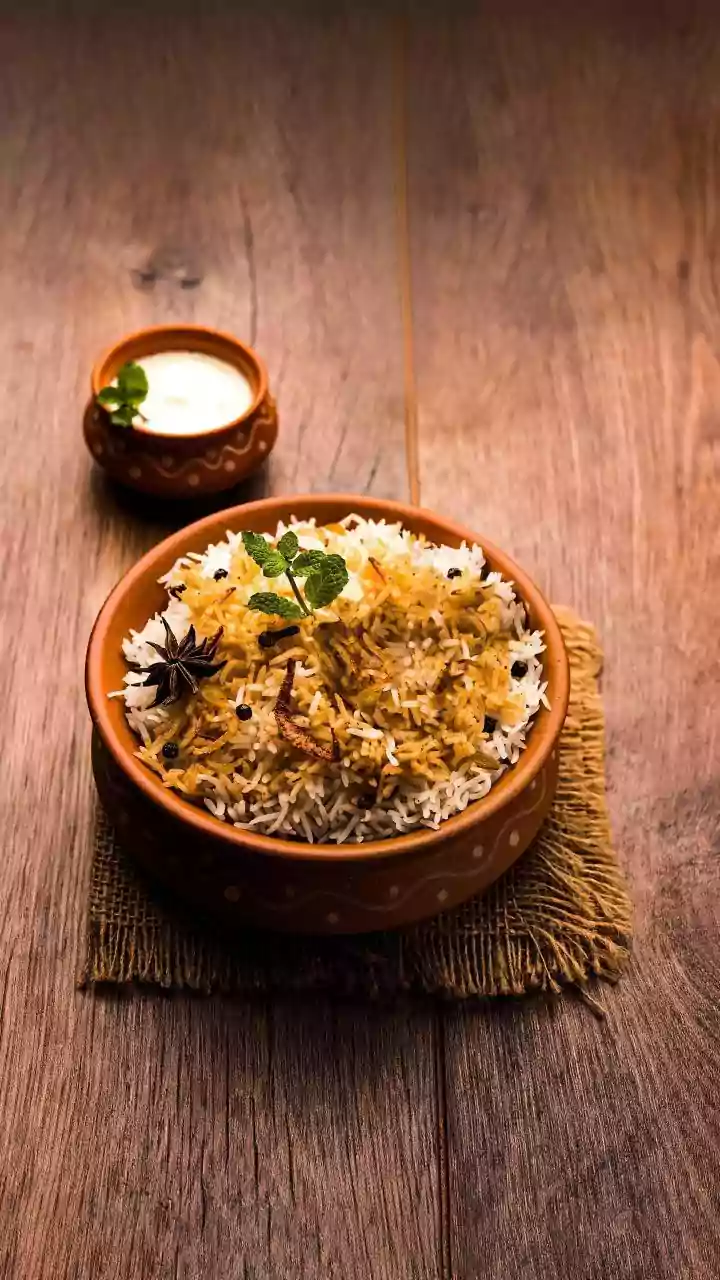
North India is the heartland of what many consider traditional Navratri 'vrat ka khana'. The diet here strictly avoids grains like wheat and rice, as well as onions and garlic, using rock salt (sendha namak) for seasoning. The mainstays are alternative flours. Kuttu ka atta (buckwheat flour) is used to make deep-fried, earthy-tasting pooris, which are a classic pairing for a simple, tangy Aloo ki Sabzi (potato curry) made with tomatoes and cumin. Samak ke chawal, or barnyard millet, serves as a substitute for rice, often prepared as a light pulao or a creamy khichdi. For snacks, roasted makhana (fox nuts) are a popular choice, while sweets like Singhare ke Atte ka Halwa (water chestnut flour pudding) provide a dose of comfort.
An Eastern Exception: The Durga Puja Feast
In West Bengal, the period of Navratri coincides with Durga Puja, and the culinary approach is markedly different. While most of India fasts, Bengalis feast. For them, Durga Puja is a celebration of the goddess's homecoming, and she is welcomed with abundance, not abstinence. While vegetarian 'bhog' (offerings) are central to the pandal experience—featuring dishes like Khichuri (a rich rice and lentil dish), Labra (a mixed vegetable curry), Luchi (fluffy fried bread), and Alur Dom (spicy potato curry)—many households continue to eat non-vegetarian food. Fish, a symbol of prosperity and fertility in Bengali culture, remains a key part of festive meals at home. It's a culinary expression of joy that stands in delicious contrast to the fasting practices elsewhere.