


The Majestic Kinner Kailash View from Kalpa
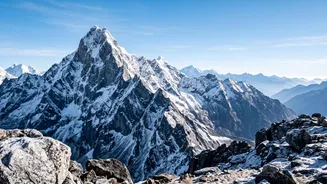
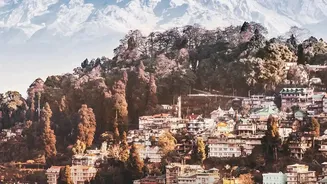
The crown jewel of photography in Kalpa is the direct, unobstructed view of the Kinner Kailash range. This is not a single viewpoint but an ever-present backdrop to the town. For the most dramatic shots, wake up before dawn. The first rays of sun paint
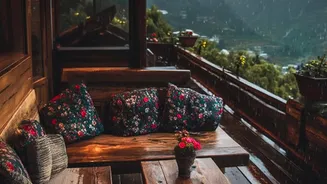
the snow-capped peaks in hues of gold and orange, a phenomenon that draws photographers from around the world. Many hotels in Kalpa offer balconies with a front-row seat to this spectacle, allowing you to set up your tripod in comfort. As the day progresses, the light changes, offering different moods, from the sharp clarity of midday to the soft, ethereal glow of sunset.
Kalpa's 'Suicide Point' for Dramatic Landscapes
Despite its unsettling name, the 'Suicide Point' on the road between Kalpa and Roghi village is a must-visit for its breathtaking vistas. The name refers to the sheer vertical drop of the cliff face into the Sutlej river gorge below, not any recorded history. A viewing platform with railings has been installed for safety, allowing you to capture the dramatic geometry of the landscape. It’s an ideal spot for wide-angle shots that convey the immense scale of the valley and the winding road carved into the mountain. The panoramic views of the Kinner Kailash range from this vantage point are simply stunning.
Kamru Fort: A Blend of History and Scenery
Rising above Sangla village, the ancient Kamru Fort offers a perfect mix of cultural heritage and scenic beauty. This historic wooden fort, with its distinctive tower-like structure and the Kamakhya Devi Temple, provides a fascinating subject in itself. The walk up to the fort through the narrow lanes of Kamru village is a photographic journey through traditional Kinnauri life. Once at the top, you are rewarded with commanding views of the entire Sangla Valley, the Baspa River, and surrounding apple orchards. For photographers, it’s a chance to frame ancient architecture against the timeless backdrop of the Himalayas.
Chitkul: The Picturesque Last Village
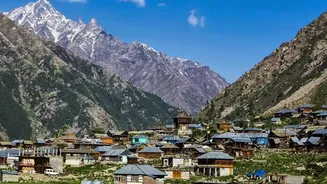
Known as the last inhabited village on the old Indo-Tibetan trade route, Chitkul is a photographer's paradise. The village is characterized by its traditional wooden houses with slate or wooden roofs, set against a 360-degree panorama of snow-covered mountains. The Baspa River flows gently through the valley, its crystal-clear waters and colourful riverbed stones providing excellent opportunities for landscape shots. Walk through the village to capture candid moments of local life or head to the 'Hindustan ka Aakhri Dhaba' for a classic photo-op. The drive from Sangla to Chitkul itself is incredibly scenic, with numerous spots to pull over and shoot.
Roghi Village: A Glimpse into Traditional Life
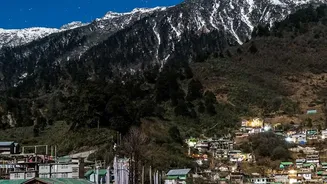
A short distance from Kalpa lies Roghi, a quaint and traditional Kinnauri village that feels like a step back in time. The village is known for its serene atmosphere, apple orchards, and slate-roofed houses built on the mountain slope. The road leading to Roghi is a thrilling experience, carved into a cliff face and offering dramatic views. Photographers can capture the essence of a tranquil Himalayan hamlet, the local lifestyle, and stunning perspectives of the Kinner Kailash range, especially in the warm afternoon light.
The Banks of the Baspa River
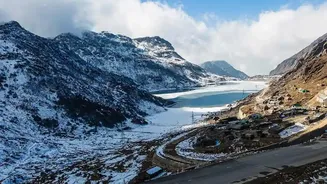
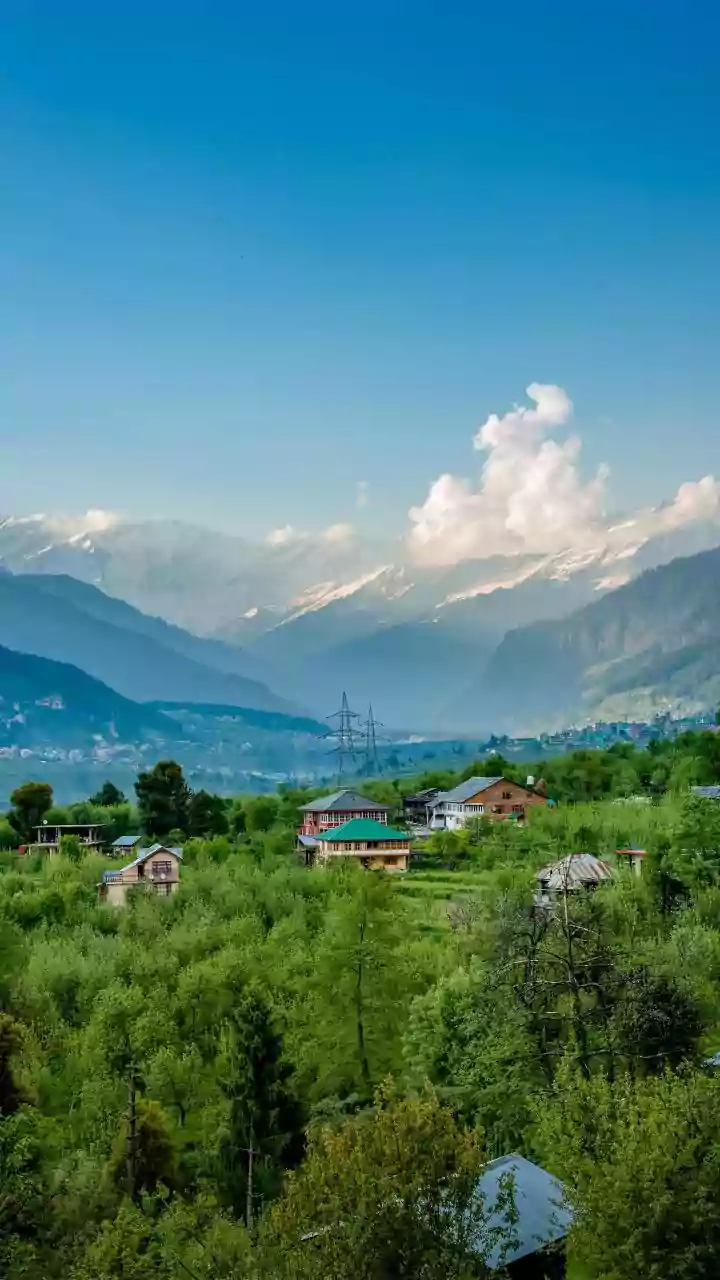
The Baspa River meanders through the entire Sangla Valley, and its banks offer countless photographic opportunities. Near villages like Batseri and Rakcham, you can get down to the river's edge. This is a great place for long-exposure shots of the flowing water, using a tripod and neutral density filters to create a smooth, milky effect. You can also frame the river with the charming wooden bridges, dense pine forests, and towering peaks in the background. The interplay of light on the water, especially during the golden hours of sunrise and sunset, makes it a dynamic subject to shoot.