





The Mental Escape
Both running and swimming are celebrated for their mental health benefits, capable of producing a 'high' from the release of endorphins. However, the nature of this mental escape differs significantly. Running often involves navigating changing terrain,
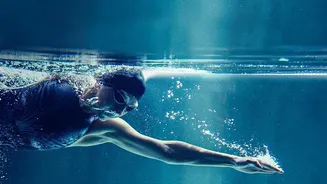
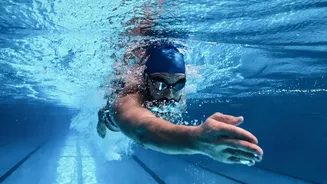
sounds, and sights. This can be stimulating, offering a distraction and a chance to explore. For some, a conversation with a running partner provides social connection and a sounding board. Swimming, in contrast, offers a more meditative and insular experience. The rhythmic nature of strokes and controlled breathing, combined with the muffled sounds underwater, encourages a state of mindfulness akin to meditation. It provides an opportunity to disconnect from external stimulation, including screens and podcasts, fostering a unique sense of calm and mental clarity.
The Sensory Experience
How an exercise feels on your body is a huge component of enjoyment. Running is a high-impact, weight-bearing activity. You feel the firm ground beneath your feet and the force of gravity with every stride. This impact helps build bone density but can be hard on joints for some. Swimming is the opposite. The buoyancy of water creates a low-impact environment that feels gentle on the joints, making it a sustainable choice for many, including those with arthritis or injuries. The constant pressure of water on the skin can have a deeply calming, hug-like effect, which is why it's often used in sensory therapy. This full-body sensory input helps improve body awareness, or proprioception, in a way that feels freeing and supportive.
Accessibility and Spontaneity
When it comes to the ease of getting started, running has a clear advantage. All you truly need is a pair of decent shoes and a safe place to go, whether it's a park, a trail, or a city sidewalk. This low barrier to entry makes it a highly convenient and spontaneous activity. Swimming requires more planning and resources. Access to a pool or a safe body of open water is necessary, which often involves membership fees, travel, and checking schedules. You also need more specific gear, including a swimsuit, goggles, and a cap. For those who value the ability to exercise on a whim with minimal preparation, the grab-and-go nature of running is a major source of enjoyment.
The Social Connection
Your preference for solo versus group activity can also steer you toward one sport over the other. The running community is vast and varied, with countless clubs, group runs, and races that foster a strong sense of camaraderie. It's relatively easy to chat with a partner while jogging, making it a social outlet for many. While you can certainly join a swim team or a masters club, the act of swimming itself is largely a solitary one. It's nearly impossible to hold a conversation while doing laps, confining social interaction to rest periods between sets. If your idea of enjoyment includes building friendships while you sweat, running offers more direct opportunities to connect.
The Feeling of Accomplishment
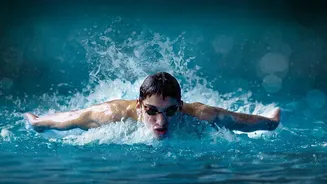
The sense of achievement you get from a workout is a powerful motivator. For runners, the accomplishment might come from conquering a steep hill, extending a run by another kilometre, or simply enjoying the feeling of covering distance through a new landscape. Because running is an innate skill for most, it's possible to achieve a high heart rate and a tough cardiovascular workout relatively quickly. For swimmers, the joy often comes from technical mastery. Improving your stroke, feeling more efficient in the water, or completing a challenging interval set provides a different kind of satisfaction. Since swimming works the entire body against the constant resistance of water, finishing a swim session often leaves you with a feeling of comprehensive, full-body fatigue and strength that is deeply rewarding.