


The New Reality: An Unpredictable Monsoon
For centuries, the Indian monsoon has been a predictable, life-sustaining rhythm. Now, that certainty is fading. Scientists observe that the monsoon is becoming more chaotic, marked by delayed onsets, prolonged dry periods, and sudden, extreme rainfall
events. This shift isn't just about the total volume of rain, which might not change dramatically, but its timing and intensity. A warmer atmosphere holds more moisture, leading to heavier downpours when it does rain, but also lengthening the gaps between rainfall. This new pattern of 'drought and deluge' disrupts the delicate balance that India's diverse forests have adapted to over millennia, creating a cascade of ecological challenges.
Western Ghats: A Hotspot Under Pressure
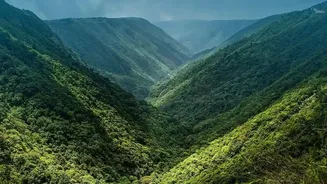
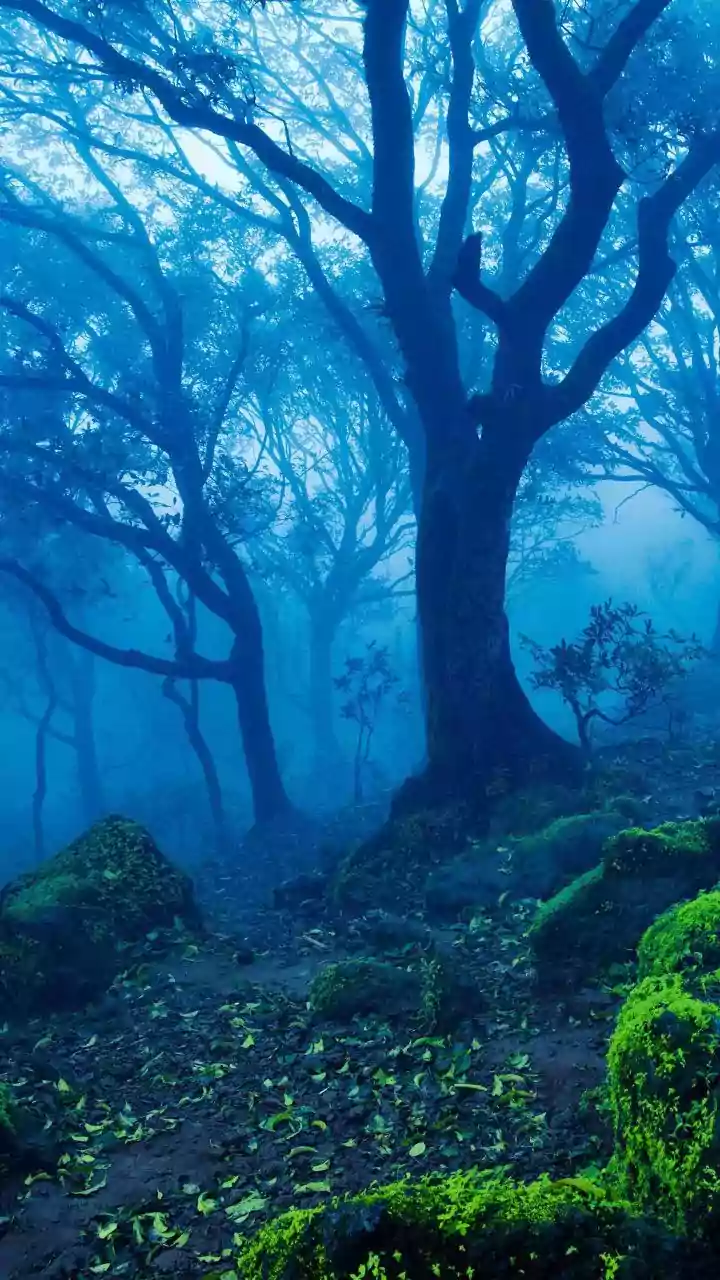
The Western Ghats, a UNESCO World Heritage site and a global biodiversity hotspot, are particularly vulnerable. These montane rainforests rely on consistent moisture. Increasingly erratic rainfall, with long dry spells, heightens the risk of forest fires and alters the very composition of the forests. Studies warn that evergreen forests could shrink, giving way to drier, deciduous and even thorn forests. This transformation threatens countless endemic species. For example, amphibians like the Matheran Wrinkled Frog, which lay their eggs on damp rocks, face reproductive failure when a sudden break in the monsoon dries out their clutches. This demonstrates how even small shifts in rainfall timing can have devastating impacts on specialised species.
The Himalayas: A Treeline on the Move
In the Himalayas, the impacts are driven by both temperature and precipitation. Warmer temperatures are allowing treelines to slowly advance to higher altitudes. However, the growth and survival of these forests are also highly sensitive to moisture. Changes in precipitation, including shifts from snow to rain, disrupt the hydrological cycle and affect water availability downstream. This alters the habitat for iconic species like rhododendrons and oaks. As vegetation zones shift upwards, they can encroach upon unique high-altitude ecosystems, putting pressure on the non-vascular plants and lichens that thrive above the treeline and creating new competition among species.
Mangroves and Deciduous Forests: A Shifting Landscape
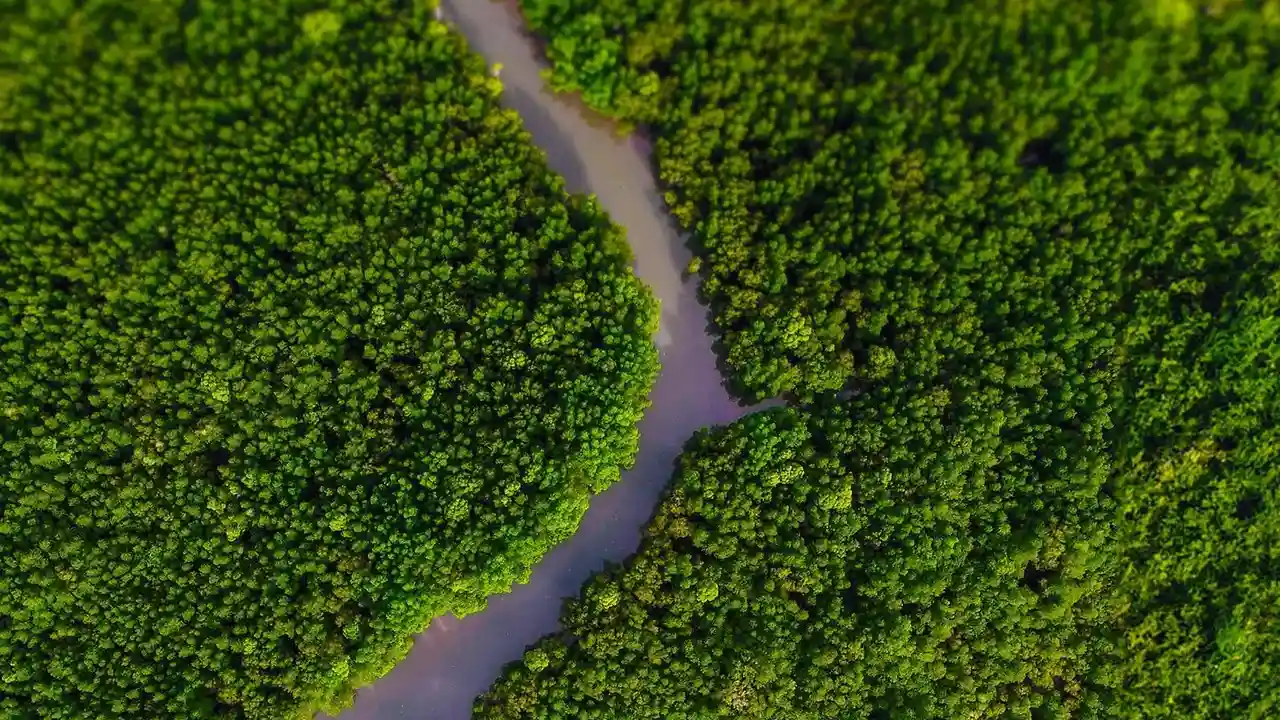
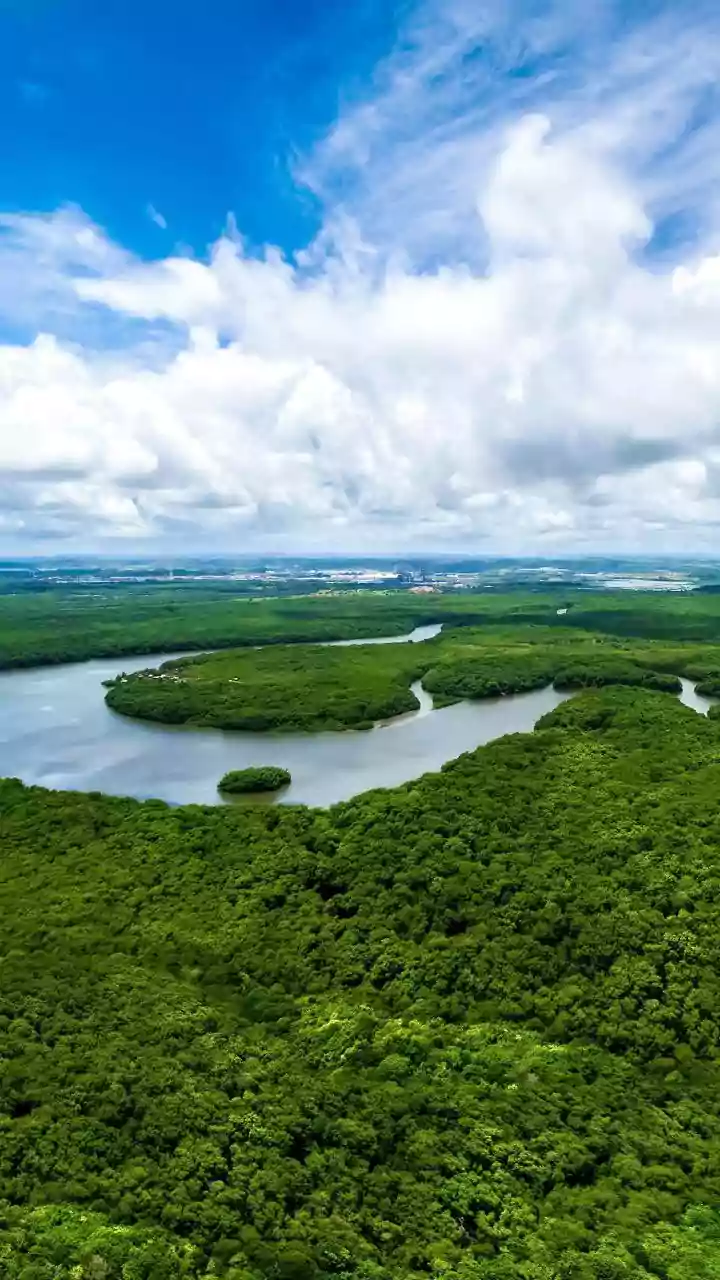
The Sundarbans, the world's largest mangrove forest, faces a dual threat. Changes in upstream rainfall affect the freshwater flow into the delta, which is crucial for maintaining the right salinity levels for mangrove species to thrive. Reduced rainfall can increase salinity, stressing the ecosystem and impacting its ability to recover from cyclones and sea-level rise. Elsewhere, in the deciduous forests of central India, shifting rainfall patterns combined with rising temperatures have been linked to significant forest cover loss and an increased risk of fires. Studies in the Panchmarhi Biosphere Reserve showed that dry teak forests saw steep canopy losses, and the very life cycles of trees—when they shed leaves and when they green—are being disrupted.
The Ripple Effect on Biodiversity
The consequences of these changes ripple through the entire food web. The timing of rainfall influences flowering and fruiting in plants. When these cycles are disrupted, the animals that depend on them for food—from insects to birds to mammals—are affected. Species may need to migrate to find more suitable habitats, but for many, this is not possible due to fragmented landscapes. This can lead to local extinctions and a decline in overall biodiversity. The loss of forest health also compromises essential ecosystem services we all rely on: carbon storage, regulation of water flows, and soil preservation. The changes underway are not just an ecological issue; they threaten water security and the livelihoods of communities that depend on forest resources.