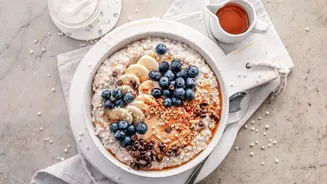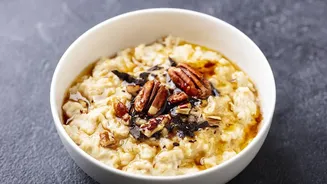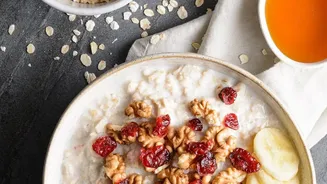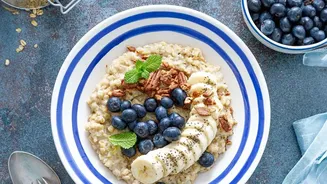




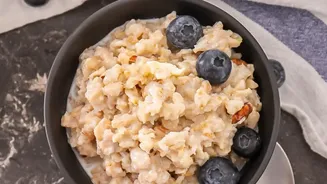
Understanding Your Oats
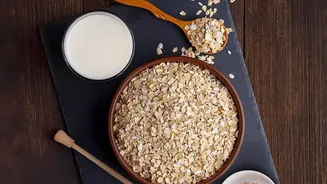
First, let's understand the hero ingredient. Unlike rolled oats that are steamed and flattened, steel-cut oats are whole oat groats chopped into smaller pieces. This is why they have a firmer, chewier texture and a nuttier flavour. It's also why they take
longer to cook and require a different approach. Because they are less processed, they have a lower glycemic index, which means they release energy more slowly. Knowing this is the first step to taming them in the kitchen.
The Golden Liquid-to-Oat Ratio
The most crucial element for texture is the ratio of liquid to oats. A common and reliable starting point is 4 parts liquid to 1 part steel-cut oats (a 4:1 ratio). For a thicker, more distinct and chewy texture, you can reduce the liquid to a 3:1 ratio. For a silkier, creamier porridge, stick with the 4:1 ratio or even add a little more liquid towards the end of cooking. You can use water, milk, or a combination. Using only milk can sometimes result in a sticky texture and increases the risk of scorching, so a mix of milk and water is often a safe and creamy bet.
To Soak or Not To Soak?
Soaking your oats overnight is a game-changer for busy mornings. It can cut the cooking time by about half. To do this, simply cover one cup of oats with water, leave them overnight, then drain the water before cooking with fresh liquid. This method also makes the oats easier to digest and helps your body absorb more of their nutrients. Another quick-soak method is to bring your oats and water to a boil for one minute the night before, then turn off the heat, cover the pot, and let it sit overnight. In the morning, you just need to reheat it for about 10 minutes.
The Stirring Debate: Chewy vs. Creamy
How much you stir has a direct impact on the final texture. For a creamier porridge, stir frequently. Stirring helps release the starches from the oats, which thickens the liquid and creates that classic creamy consistency. This is similar to how stirring risotto makes it creamy. However, if you prefer your oats to have a more distinct, chewy, and toothsome bite, you should stir less. Minimal stirring keeps the oat pieces intact. Just be sure to stir occasionally to prevent them from sticking to the bottom of the pan, especially towards the end of the cooking process.
Mastering the Stovetop Method
For the best flavour, start by toasting the dry oats in a little butter or oil for a few minutes until fragrant. Then, add your liquid and a pinch of salt—salt is essential for bringing out the nutty flavour of the oats. Bring the mixture to a simmer, not a rolling boil, then reduce the heat to low. A high heat will cause the porridge to stick and burn. Let it simmer uncovered for 25-30 minutes, stirring according to your texture preference, until the oats are tender and have absorbed most of the liquid. Remember, the porridge will continue to thicken as it cools.
Secrets to a Creamier Finish
If ultra-creamy is your goal, there are a few finishing touches. Using whole milk instead of water or low-fat milk will naturally result in a richer texture. You can also stir in a splash of milk or cream at the end of the cooking process to loosen the porridge and add richness. For a vegan option, a mashed banana or a tablespoon of coconut oil stirred in at the end can create a surprisingly creamy result. When reheating leftovers, which will have thickened considerably in the fridge, always add a splash of milk or water to restore their creamy texture.