


The Invisible Danger of Black Ice
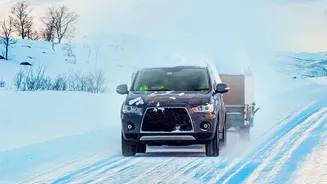
One of the most significant winter hazards is black ice—a thin, transparent layer of ice that forms on the road, making it appear merely wet. This condition is common in the early mornings and late evenings, especially on bridges, in tunnels, and in shaded
areas where temperatures drop and meltwater refreezes. Hitting a patch of black ice can cause a sudden loss of traction, leading to dangerous skids. Authorities often close high-altitude roads like the Rohtang Pass preemptively due to its formation. If you encounter what looks like a glossy or dark, wet patch, it's crucial to ease off the accelerator and avoid sudden braking or sharp steering. The key is to let the vehicle glide over the patch until the tires regain grip.
Navigating Snowfall and Road Closures
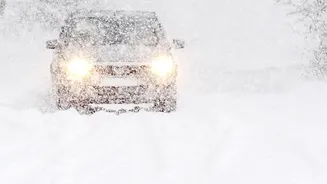
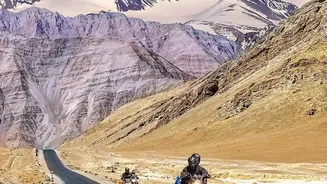
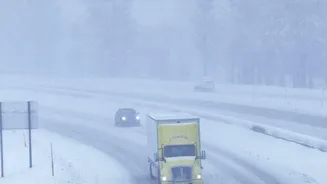
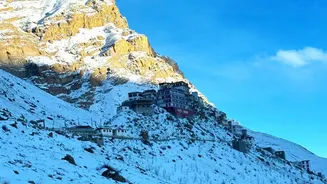
Heavy snowfall can transform a manageable drive into a hazardous situation within minutes, reducing visibility and covering the road in deep snow or slush. High mountain passes like those on the Manali-Leh highway, including Rohtang, Baralacha La, and Tanglang La, are often closed for several months due to snow accumulations that can reach over 10 feet. The Border Roads Organisation (BRO) works relentlessly to clear these strategic routes, but conditions can remain unpredictable. Drivers should always check the latest road status before and during their journey, as fresh snowfall can lead to temporary closures even on routes that are technically open. It's wise to build buffer days into your itinerary to account for potential delays.
The Unpredictable Threat of Landslides
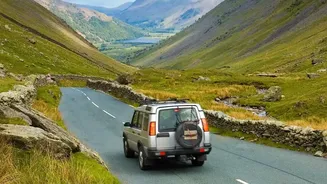
Winter conditions, including the freeze-thaw cycle of water in rock crevices, can increase the risk of landslides and rockfalls. Even in the absence of heavy snow, falling rocks are a constant danger on narrow mountain roads. The BRO is responsible for clearing debris from landslides, but these events can cause prolonged road blockages. Always remain vigilant, especially on stretches with steep hillsides. Avoid stopping in areas with signs of recent rockfall and keep moving through vulnerable sections.
Essential Vehicle Preparation
Your vehicle is your lifeline in the Himalayas, and proper preparation is non-negotiable. A 4x4 with high ground clearance is strongly recommended for winter conditions. Before your trip, get your vehicle fully serviced, paying special attention to the battery, brakes, and tires. The coolant should be replaced with an antifreeze mixture rated for sub-zero temperatures to prevent the engine block from freezing. Diesel vehicle owners must be particularly cautious, as diesel can gel in extreme cold; using additives can help prevent this. Carrying snow chains is crucial for gaining traction on icy or snow-covered roads. Also, ensure your headlights, fog lights, and wipers are in perfect working order.
The Driver’s Winter Checklist
Driving in the mountains during winter demands a different mindset and skillset. Always drive at a slow, steady speed, and avoid sudden acceleration or hard braking, as both can cause skids. When driving downhill, use a low gear to control your speed rather than relying solely on the brakes. The rule of the road in the mountains is that uphill traffic has the right of way, as they need momentum to climb icy gradients. It's also advisable to hire a local driver if you're not experienced with these conditions; their familiarity with the terrain is invaluable. Pack an emergency kit with warm clothing, blankets, a first-aid kit, food, and water in case you get stranded.