

Udaipur: The City of Lakes, Reborn
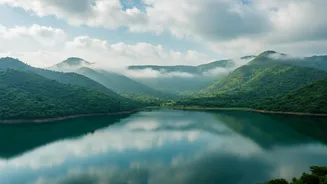
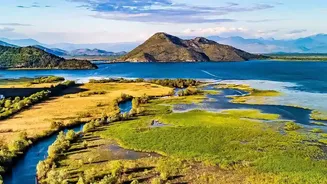
Udaipur is arguably the heart of Rajasthan's monsoon magic. The city's famous lakes, Pichola and Fateh Sagar, often recede during the hot summer months, but the current season has seen them swell to their full, picturesque capacity. This transformation
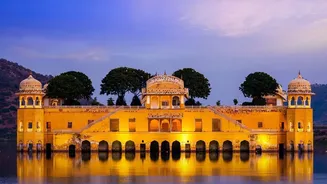
is dramatic; the water laps at the ghats, boat rides feel more expansive, and the iconic Lake Palace and Jag Mandir appear to float effortlessly. The surrounding Aravalli hills, typically brown and stark, are now carpeted in a lush, emerald green, creating stunning reflections in the water. For the best views, travellers are heading to Sajjangarh, aptly named the Monsoon Palace, which offers a panoramic vista of the rain-washed city and misty, cloud-covered hills.
The Aravalli Range: A Carpet of Green
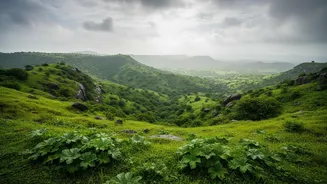
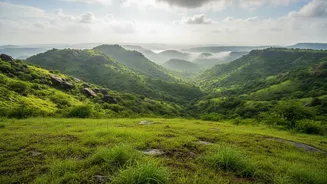
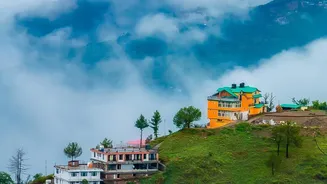
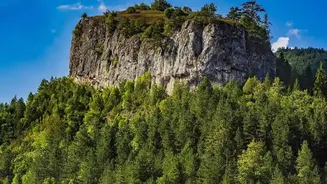
The Aravalli hills, one of the world's oldest mountain ranges, undergo the most dramatic change during the monsoon. The normally dry, deciduous forests come alive, with the landscape transforming from shades of brown to vibrant green. This has made scenic drives a major attraction, with routes from Udaipur to Kumbhalgarh and Mount Abu becoming increasingly popular. Rajasthan’s only hill station, Mount Abu, becomes a misty paradise with cool temperatures, full lakes like Nakki, and active waterfalls, offering a genuine escape from the heat. Further afield, the massive Kumbhalgarh Fort, with its 36-kilometre wall, offers breathtaking views as it gets wrapped in low-hanging clouds, looking majestic against the green valleys.
Bundi: A Hidden Monsoon Gem
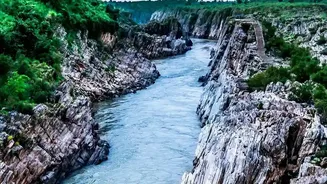
While Udaipur draws the biggest crowds, those in the know are heading to Bundi. This smaller, less-crowded city is renowned for its ancient stepwells, or 'baoris', which fill up during the rainy season, becoming impressive water features. The historic Bundi Palace and Taragarh Fort, perched on a hillside, offer spectacular views of the rain-washed town below. The region has also seen growing interest in its Ramgarh Vishdhari Wildlife Sanctuary, which becomes a lush haven for wildlife during this time. Bundi provides a quieter, more intimate experience of Rajasthan's monsoon transformation, away from the main tourist trail.
Jaipur's Forts: A New Perspective
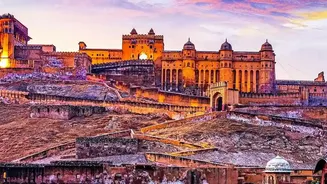
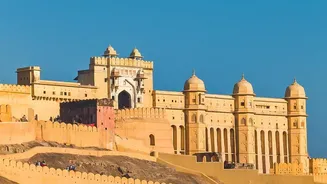
Even the familiar sights of the Pink City take on a new character during the monsoon. The iconic forts of Amer, Nahargarh, and Jaigarh, usually set against a stark, dry backdrop, are now framed by green hills and dramatic, cloudy skies. Nahargarh Fort, in particular, offers stunning panoramic views of Jaipur, making it a popular spot for locals and tourists to witness the city washed clean by the rains. The air is cooler and fresher, making it more pleasant to explore the sprawling complexes of these historic monuments. This seasonal shift provides a completely different photographic and atmospheric experience of Rajasthan's most famous architectural wonders.
Why The Surge Now?
This year's travel trend is fueled by several factors. After enduring the scorching summer, travelers are actively seeking out these revitalized landscapes. The phenomenon of 'green tourism' is gaining traction, with people wanting to experience nature in its purest form. Furthermore, improved connectivity via new highways and expressways has made weekend getaways and shorter trips more feasible. The monsoon season, once considered the 'off-season', also brings the advantage of fewer crowds and better deals on hotels, though this is changing as its popularity grows. This combination of stunning natural beauty, pleasant weather, and accessible travel has created the perfect storm for Rajasthan's current monsoon travel boom.