








The Monsoon-Minimalist Connection
The Indian monsoon, while romanticised in poetry and film, brings practical challenges for our homes. High humidity, a persistent feeling of dampness, and reduced natural light can make interiors feel stuffy, dark, and cluttered. This is where the principles
of minimalism offer a powerful solution. By focusing on 'less is more,' a minimalist approach declutters spaces, prioritises function, and creates a sense of calm and order. During the monsoon, this isn't just a style choice; it's a strategy for well-being. A minimalist living room, free of heavy furnishings and unnecessary objects, feels more spacious and breathable—a welcome antidote to the oppressive humidity outside. It’s about creating a clean, airy sanctuary that works with the season, not against it.
Why Cotton Is the Hero Fabric
When it comes to window treatments for the monsoon, fabric choice is everything. Heavy materials like velvet, brocade, or thick polyester act like sponges, absorbing moisture from the air. They take ages to dry, can develop a musty smell, and become breeding grounds for mould and mildew—a common woe in humid Indian climates. This is why lightweight cotton emerges as the undisputed champion. Cotton is a natural, breathable fibre. It doesn't trap moisture in the same way synthetic or heavy fabrics do. If it does get damp from a stray splash of rain, it dries relatively quickly, significantly reducing the risk of mildew. Its lightweight nature also means it’s easy to take down, wash, and re-hang, ensuring your living space stays fresh and clean throughout the season.
Maximising Every Ray of Light
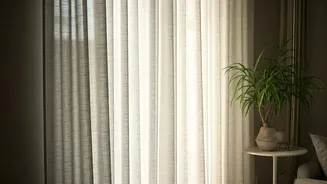
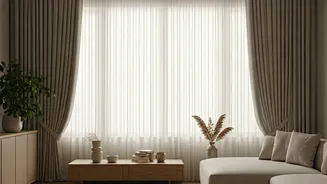
Monsoon days are often characterised by a soft, diffused, and sometimes gloomy light. Dark, opaque curtains can turn a living room into a cave, forcing you to rely on artificial lighting even during the day. Light cotton curtains, particularly in shades of white, off-white, beige, or pale pastels, work to amplify whatever natural light is available. Semi-sheer or sheer cotton (voile or mulmul) is an excellent choice. These fabrics filter the light beautifully, scattering it across the room to create a bright, ethereal glow. They provide a necessary layer of privacy without sacrificing precious daylight, making the entire living area feel more cheerful and open. This simple switch can dramatically alter the mood of your home, transforming it from dreary to uplifting.
Promoting Airflow and Freshness
Good ventilation is non-negotiable during the monsoon to prevent stagnant air and dampness. Heavy drapes obstruct the flow of air, even when the windows are open. They create a physical barrier that traps humid air inside. In contrast, light cotton curtains move gracefully with the slightest breeze. They allow air to circulate freely, helping to dry out the room and carry away any lingering moisture or musty odours. This constant, gentle movement of air is crucial for maintaining a healthy indoor environment. By choosing a fabric that billows and breathes, you are actively helping your home feel less stuffy and more connected to the fresh, rain-washed air outside, whenever you get the chance to open the windows.
Styling for a Clean, Elegant Look
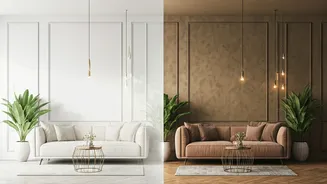
Incorporating light cotton curtains into a minimalist living room is effortlessly chic. The key is simplicity. Opt for solid, neutral colours that complement your wall paint and furniture. White is a classic choice for its ability to create a sense of spaciousness and cleanliness. Soft greys, muted blues, and earthy beiges also work wonderfully. For a touch of subtle pattern, consider hand-block printed cotton with delicate, sparse motifs. When it comes to hanging, a simple rod—in a metallic or natural wood finish—is all you need. Allow the curtains to hang straight, just grazing the floor or ending slightly above it for a clean line. The beauty of this look lies in its understated elegance and its focus on texture and light, which are core tenets of sophisticated minimalist design.