


Assess and Clean Your Plant Pots
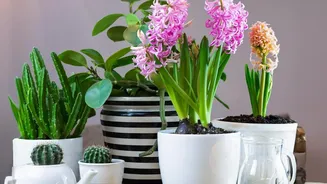
Before the cold truly sets in, take a good look at your herb collection. Remove any dead or yellowing leaves and clear away weeds that might be competing for nutrients. This is also a good time to check for pests. Insects often seek shelter from the cold,
and your pots can become a cosy home. A simple spray of neem oil solution can help manage any unwanted guests. A clean start prevents the spread of disease and ensures your plants' energy goes towards surviving the winter, not fighting off problems.
Prune for Winter Health
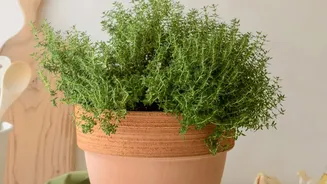
Light pruning is beneficial before winter, but the timing is crucial. For perennial herbs like rosemary and thyme, a gentle trim helps maintain their shape. However, avoid any aggressive pruning late in the season. Cutting back too much can stimulate new, tender growth that is highly vulnerable to the first frost. A good rule is to avoid major pruning within four to six weeks of when you expect the first severe cold snap. Lightly harvesting leaves for your kitchen is perfectly fine and encouraged. Always snip from the top of the plant to promote bushier growth.
Chase the Winter Sun
Sunlight becomes a precious commodity in winter, with shorter days and often, foggy mornings in many parts of India. Observe how the light hits your balcony now. You might need to move your pots to a new spot that gets the most direct sun, typically a south or east-facing area. Most herbs need at least four to six hours of sunlight to do well. If your balcony is mostly shaded, consider which plants are most important and give them the prime sunny real estate. Grouping pots together can also create a warmer microclimate.
Adjust Your Watering Schedule
Overwatering is one of the biggest dangers for potted plants in winter. Cooler temperatures mean water evaporates more slowly and plants' growth (and thirst) decreases. Before you water, always check the soil. A good method is to stick your finger about an inch into the soil; if it feels dry, it's time to water. If it's still damp, wait another day or two. Ensure all your pots have good drainage holes to prevent water from logging at the roots, which can lead to root rot. It's better to water less frequently than in the hot summer months.
Special Care for Indian Favourites
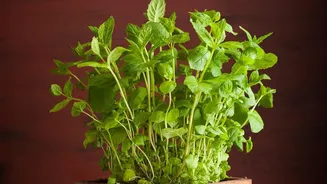
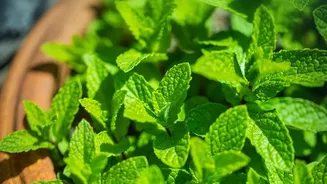
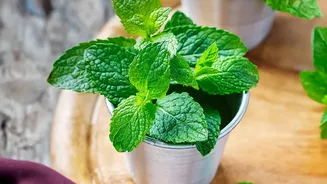
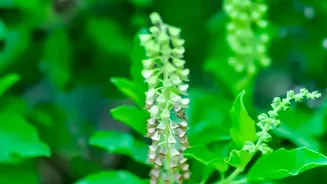
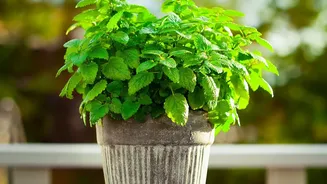
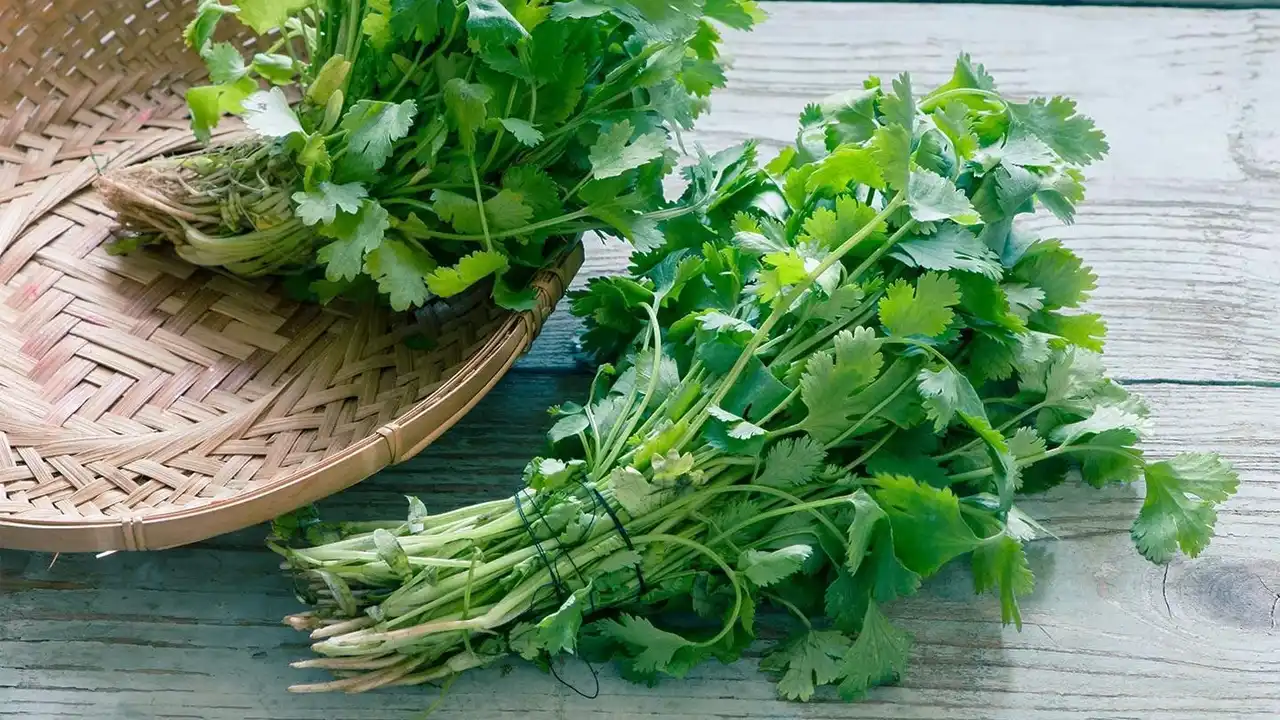
Many herbs common in Indian kitchens need specific winter care. Tulsi (Holy Basil) is particularly sensitive to cold and can see its leaves turn black from cold dew or frost. Keep your Tulsi plant in the sunniest spot possible, water it only when the topsoil is dry, and consider bringing it indoors on very cold nights. Mint is quite resilient but will benefit from being moved to a sheltered spot away from harsh winds. Coriander (Dhania) is a cool-season annual, so you can continue to sow seeds for a winter harvest, but protect young plants from frost. Curry leaf plants (Kadi Patta) slow their growth and may shed leaves; reduce watering and protect them from frost.
Protect from Frost and Cold Wind
For those in North India or hilly regions where frost is a reality, providing a physical barrier is key. You can cover your plants at night with a cloth, burlap, or a frost cover, ensuring the cover reaches the pot to trap warmth rising from the soil. Lifting pots off a cold floor can also protect the roots. For tender plants, moving them indoors might be the best option. Place them near a bright window, away from drying heaters. Even without frost, cold, dry winds can damage leaves, so moving pots against a wall can offer significant protection.