


Beyond the Overcrowded Escapes
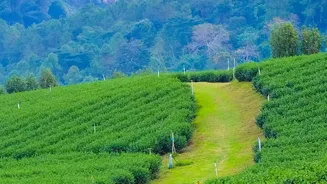
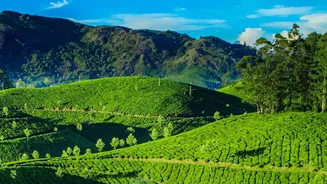
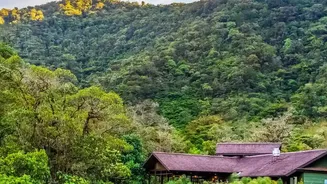
For many, a trip to the hills means navigating crowded mall roads and jockeying for position at sunset points. A coffee estate vacation offers a complete paradigm shift. Instead of checking into a hotel in a bustling town, you stay within a working plantation,
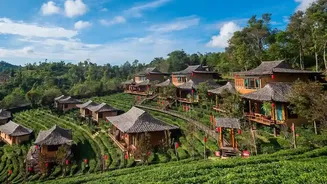
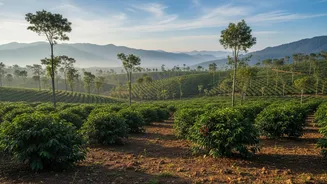
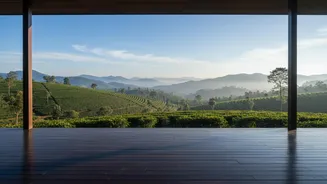
often in a heritage bungalow, a rustic homestay, or a modern cottage surrounded by acres of greenery. The experience is inherently quieter and more connected to nature. It’s less about a frantic sightseeing itinerary and more about settling into the slower rhythm of estate life, where the main agenda might be a morning walk through coffee groves or reading a book on a quiet veranda.
The Real Value of a Plantation Holiday
The term “budget-friendly” isn’t just about the room rate. While luxury plantation resorts can be expensive, the real value lies in the numerous homestays and family-run estates that offer an authentic experience at a fraction of the cost. A stay in Chikmagalur, for example, can be significantly more affordable than in mainstream tourist hotspots. Thrillophilia notes that basic plantation stays in Coorg can start from around ₹1000, with comfortable options available for ₹2000-2500 per night. When you factor in home-cooked meals often prepared with local ingredients and included activities like plantation walks, the overall cost can be much lower than a conventional holiday involving restaurant meals and paid attractions.
India's Coffee Heartland: Where to Go
South India is the epicentre of coffee cultivation, with Karnataka, Kerala, and Tamil Nadu offering the best experiences. Coorg (Kodagu) in Karnataka, often called the 'Coffee Capital of India', is a top choice with its vast, rolling estates producing both Arabica and Robusta beans. Nearby Chikmagalur is considered the birthplace of Indian coffee and offers a historic, deeply rooted experience. Wayanad in Kerala combines coffee with the aromatic allure of spice plantations like cardamom and pepper. Other notable regions include Sakleshpur in Karnataka for its quiet, intimate feel, and Yercaud in Tamil Nadu for a less-crowded alternative to Ooty.
What to Expect: A Different Pace of Life
Life on a coffee estate is an activity in itself. Most stays offer guided walks where you can learn about the entire bean-to-cup process, from cultivation and harvesting to drying and roasting. Depending on the season (harvest is typically from October to February), you might even get to try your hand at picking the ripe coffee cherries. Beyond coffee, these estates are havens for biodiversity. Bird watching, trekking through forest trails, and simply enjoying the immense peace and quiet are central to the experience. Many hosts offer bonfires in the evening, creating a perfect opportunity to unwind and connect with fellow travellers.
Choosing Your Perfect Plantation Stay
The key to a great coffee estate vacation is picking the right kind of stay for your needs. Options range from luxurious resorts with private pools and spas to authentic, family-run homestays where you share meals with your hosts. A true working estate will be able to tell you about their coffee yield and processing methods, offering a more genuine experience than a resort that simply uses 'plantation' as a marketing term. Consider what you want: if it’s an educational deep-dive into coffee, a rustic homestay is ideal. If you’re looking for comfort and amenities for a family trip, a larger estate or a specialised eco-resort might be a better fit.