








More Than Just a To-Do List
For generations, the Indian kitchen ran on intuition, fresh daily produce, and a matriarch’s seemingly magical ability to conjure up delicious meals on demand. But as lifestyles shift, that spontaneous model is giving way to a more structured approach.
Meal planning—the simple act of deciding what you’ll eat for the next few days or week—is moving from a niche habit for fitness enthusiasts to a mainstream strategy for urban and semi-urban families. It’s not about rigid, joyless eating; it’s about reclaiming control over your time, health, and finances. By taking 30 minutes on a Sunday to map out the week's menu, people are freeing up precious mental space and eliminating the daily decision fatigue that often leads to unhealthy, last-minute choices.
The Post-Pandemic Health Focus
The pandemic was a major catalyst for this trend. Confined to our homes, we became acutely aware of the link between food and well-being. This newfound health consciousness has persisted. People want to know exactly what’s in their food—from the amount of oil to the source of their paneer. Meal planning provides that control. It encourages cooking with fresh ingredients, managing portion sizes, and ensuring a balanced intake of nutrients throughout the week. Instead of relying on restaurant food with unknown calorie counts and preservatives, planning allows you to incorporate more salads, whole grains, and lean proteins into your diet. For families with specific dietary needs, like managing diabetes or catering to a toddler’s palate, it’s not just a convenience but a necessity.
An Antidote to the Urban Time Crunch
Life in modern India is fast. With longer work hours, challenging commutes, and the rise of dual-income households, time is the ultimate luxury. The idea of coming home after a gruelling day and then starting the elaborate process of Indian cooking from scratch can be daunting. This is where meal planning transforms into a time-saving superpower. By planning ahead, you can do 'prep work' over the weekend—chopping vegetables, making purees, boiling dals, or marinating meats. A well-prepped fridge means a weeknight meal can come together in under 20 minutes. It’s the difference between a stressful scramble and a calm, enjoyable cooking process, allowing for more quality time with family instead of being tethered to the stove.
A Smart Move for Your Wallet
In an era of rising food prices, meal planning is also a savvy financial decision. It tackles two major sources of household budget leaks: food waste and impulse ordering. When you shop with a specific list based on your meal plan, you buy only what you need, drastically reducing the chances of vegetables wilting in the back of the fridge. A planned dinner also serves as a strong defence against the tempting siren song of food delivery apps. That one ‘quick’ order can quickly multiply over a month, adding up to a significant expense. By having a delicious, home-cooked meal ready or almost-ready, you save money and eat healthier—a clear win-win.
How to Get Started Simply
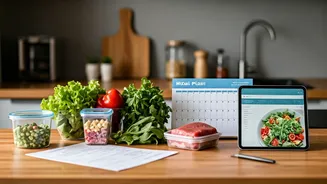
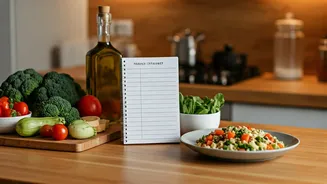
The thought of planning an entire week's menu can feel overwhelming, but it doesn’t have to be. Start small. Plan for just three days at a time. Create a 'master list' of 10-15 family-favourite dishes you can rotate. Use a simple notebook, a whiteboard on your fridge, or a free app. Involve the family in the planning to ensure everyone has something to look forward to. Don't aim for perfection. The goal is to create a system that works for you, even if it just means planning your dinners and leaving lunches more flexible. The key is to begin, and you'll quickly find a rhythm that fits your lifestyle.