





The Surprising Amount of Water in Your Laundry
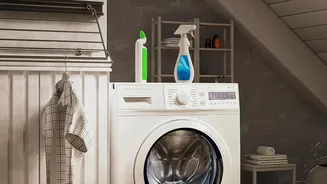
It may not seem like much, but a single load of freshly washed clothes can contain a significant amount of water. Experts estimate that one load of wet washing can release almost two litres of water into the air as it dries. To put that into perspective,
it's like leaving a large kettle to boil for hours on end, slowly pumping steam into your living space. This moisture doesn't just vanish; it gets absorbed by the air inside your home. In a small, enclosed apartment, that much extra water vapour can dramatically increase the overall relative humidity, which is the measure of moisture in the air. This process can raise moisture levels by up to 30%, creating an environment that is far from ideal.
How Moisture Spreads Through Your Home
A common misconception is that the humidity from drying clothes stays confined to the room where the washing rack is placed. Unfortunately, that’s not how physics works. Water vapour, like any gas, naturally moves from an area of high concentration to areas of lower concentration in a process called diffusion. This means the moisture-laden air from your laundry will gradually spread throughout your entire flat, seeking to equalise the humidity level in every room. Even closing a door is not a perfect barrier. This migrating moisture can find its way into bedrooms, closets, and living areas, affecting the air quality and environment of your whole home, not just a single corner.
Hidden Risks of High Indoor Humidity
Consistently high indoor humidity, ideally kept between 40-60%, creates the perfect breeding ground for a host of unwelcome guests. The most common are mould and mildew, which appear as black or green spots on walls, ceilings, and around windows. These fungi release spores into the air that can trigger allergies, asthma attacks, and other respiratory issues like coughing and wheezing. Beyond mould, high humidity also encourages the proliferation of dust mites. These microscopic creatures thrive in damp conditions and are a major cause of allergies. The excess moisture can also cause tangible damage to your property, leading to peeling paint, warped wooden furniture, and a persistent musty odour that’s hard to eliminate.
Signs Your Home is Too Humid
Your home will often give you clear signals when humidity is a problem. The most obvious sign is condensation, or 'sweating,' on windows and mirrors. You might also notice a persistent damp or musty smell, especially in closets or rooms with poor airflow. Other tell-tale signs include dark, discoloured patches on walls or ceilings, paint that is bubbling or peeling, and fabrics like towels or clothes feeling constantly damp. If you or your family members experience worsening allergy symptoms, such as a runny nose or itchy eyes, primarily when at home, it could also be a symptom of an overly humid indoor environment.
Smarter Ways to Dry Clothes Indoors
While drying clothes outside is always best, it's not always practical. When you must dry laundry indoors, a few simple strategies can make a huge difference. First, ensure adequate ventilation. Open a window, even just a crack, in the room where clothes are drying to allow moist air to escape. Using a fan to circulate air will also speed up drying time and prevent moisture from settling. Before hanging, use an extra spin cycle on your washing machine to remove as much excess water as possible. When placing clothes on the rack, space them out to allow for better airflow. For those living in very humid climates or if damp is a persistent issue, investing in a dehumidifier can be an effective solution to pull excess moisture directly from the air.