


Understanding the Altitude Challenge
As you ascend above 2,500 metres (about 8,200 feet), the atmospheric pressure drops, meaning fewer oxygen molecules are available in each breath. Your body needs time to adjust to this change. When you climb too quickly, you risk developing Acute Mountain
Sickness (AMS), the most common form of altitude sickness. Symptoms often feel like a bad hangover: headache, nausea, dizziness, fatigue, and loss of appetite. While mild AMS is common, ignoring its warning signs can lead to more severe, life-threatening conditions.
The Golden Rules of Acclimatization
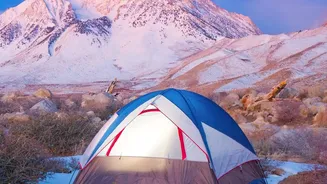
Proper acclimatization is the single most effective way to prevent altitude sickness. It’s a process that cannot be rushed, regardless of your physical fitness. The core principle is gradual ascent. Most trek itineraries for popular winter routes like Kedarkantha or Brahmatal are designed with this in mind. The golden rule is 'climb high, sleep low'. This means you might hike to a higher point during the day but return to a lower altitude to camp for the night, giving your body a chance to adapt while resting. As a general guideline, once you are above 3,000 metres, avoid increasing your sleeping altitude by more than 300-500 metres per day. Planning a rest day every three to four days is also crucial.
On-Trail Strategy: Pace, Hydration, and Nutrition
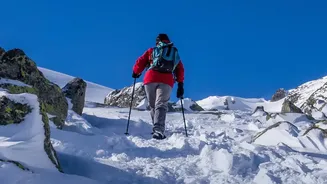
On the trail, a slow and steady pace is your best friend. It's about endurance, not speed. Listen to your body and take frequent breaks. Hydration is equally critical. The cold, dry air at altitude causes you to lose significant moisture through breathing, and the cold can mask your thirst. Aim to drink 4-5 litres of fluids daily, including water, soups, and herbal teas. A simple way to check your hydration is to monitor your urine; it should be clear or pale yellow. For nutrition, focus on a high-carbohydrate, low-fat diet. Carbohydrates are easier for your body to metabolise at altitude and provide essential energy. Avoid alcohol and smoking, as they hinder acclimatization and increase dehydration.
The Winter Trekking Factor
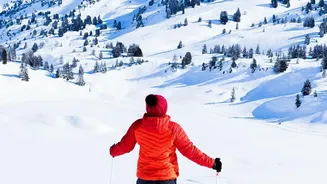
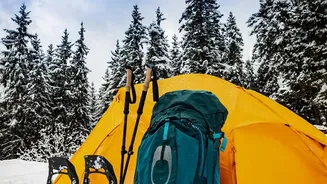
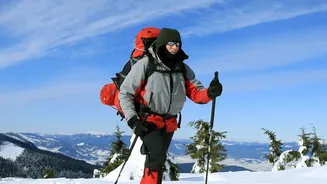
Winter adds another layer of challenge. The cold forces your body to work harder just to stay warm, increasing your energy expenditure. Staying hydrated can be tougher as water in bottles may freeze; using an insulated bottle helps. It's also vital to stay dry. Wet clothes, whether from snow or sweat, will make you lose body heat rapidly. Dress in layers—a base layer that wicks moisture, a fleece for insulation, and a waterproof, windproof outer shell—so you can adjust to changing conditions.
Know the Danger Signs: AMS, HAPE, and HACE
It's vital for every trekker to know the difference between mild AMS and its severe forms. If you experience a headache or other AMS symptoms, do not ascend further. Rest at your current altitude. If symptoms worsen, descend immediately. More severe conditions include High-Altitude Pulmonary Edema (HAPE), which is fluid in the lungs, and High-Altitude Cerebral Edema (HACE), which is fluid on the brain. Signs of HAPE include extreme breathlessness even at rest, a persistent cough (sometimes with frothy sputum), and chest tightness. HACE symptoms include severe headache, confusion, loss of coordination (ataxia), and bizarre behaviour. A simple field test for HACE is to have the person walk a straight heel-to-toe line; an inability to do so is a major red flag. Both HAPE and HACE are medical emergencies requiring immediate descent.