



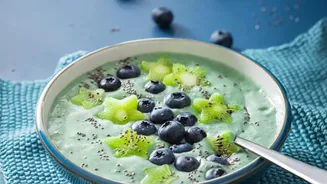
What Exactly is Sattu?
Sattu is a flour made from roasted Bengal gram (chana) and has been a staple in Indian diets for centuries, especially in states like Bihar, Uttar Pradesh, and Punjab. Often called the “poor man’s protein,” it’s now being recognized by fitness enthusiasts
as a clean, powerful, and sustainable health food. The process of roasting and then grinding the gram makes the nutrients more bioavailable and easier to digest. Unlike heavily processed supplements, sattu is a whole food, retaining its fibre and essential minerals.
A Nutritional Powerhouse for Recovery
The reason sattu is gaining traction as a post-workout fuel lies in its impressive nutritional profile. A 100-gram serving packs around 20-25 grams of plant-based protein, which is crucial for repairing and building muscle tissue after exercise. It’s also rich in complex carbohydrates (around 60-65 grams), which are vital for replenishing the glycogen stores your muscles use for energy. Furthermore, sattu is loaded with dietary fibre, promoting satiety and good gut health. It also contains essential minerals like iron, magnesium, and calcium, which aid in everything from energy metabolism to bone health.
Why It's Perfect After a Workout
After an intense workout, your body needs two main things: protein to repair muscle fibres and carbohydrates to restore energy. Sattu delivers both efficiently. The amino acids in sattu help reduce muscle soreness and improve stamina for your next session. Its low glycemic index ensures a slow, sustained release of energy, preventing the sugar crash associated with many post-workout snacks. Additionally, sattu has natural cooling properties, making it an excellent choice for rehydrating and regulating body temperature, especially after a sweaty workout in a hot climate.
The Basic Sattu Smoothie Bowl
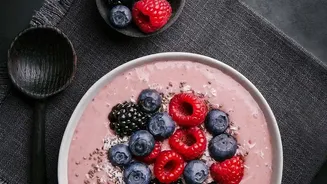
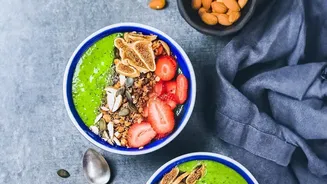
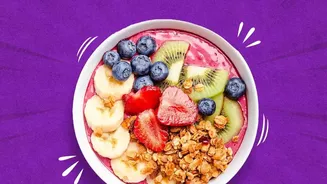
Creating a sattu smoothie bowl is simple and highly customizable. This basic recipe provides a perfect template to build upon.Ingredients:- 3-4 tablespoons of sattu flour- 1 ripe banana (frozen for a thicker texture)- 1/2 cup of curd or plant-based milk (like almond or soy milk)- 1 teaspoon of honey or jaggery (optional, for sweetness)- A pinch of cardamom powderInstructions:Combine the sattu flour, banana, curd or milk, and your chosen sweetener in a blender. Blend until the mixture is thick and completely smooth. Pour the smoothie into a bowl. The consistency should be thicker than a drink, allowing you to eat it with a spoon.
Recipe Idea: Tropical Mango & Coconut Bowl
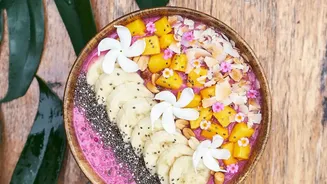
For a more vibrant and flavourful option, give this tropical version a try.Ingredients:- 3 tablespoons of sattu flour- 1/2 cup of frozen mango chunks- 1/2 cup of coconut milk- 1 date, pitted (for natural sweetness)- A squeeze of lime juiceInstructions:Blend the sattu, frozen mango, coconut milk, date, and lime juice until creamy and smooth. Pour into a bowl and get ready to add your favourite toppings.
Essential Toppings and Pro Tips
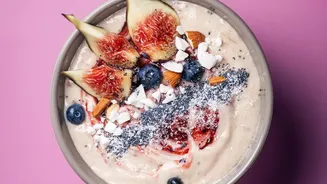
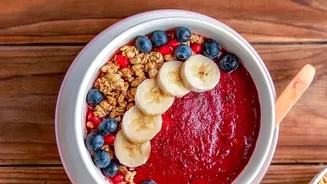
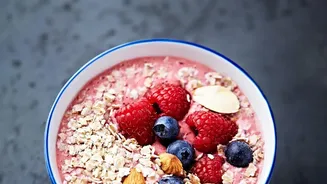
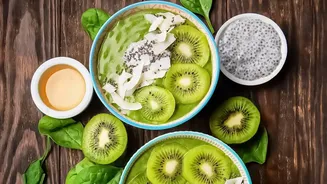
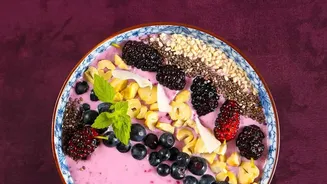
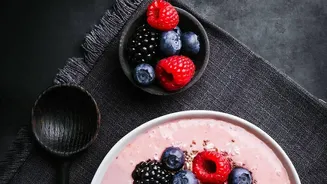
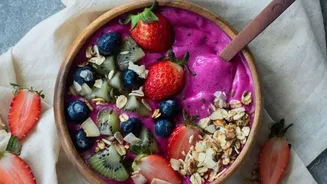
The toppings are where you can get creative and add extra nutrients and texture. Great options include fresh fruits like pomegranate seeds, berries, or sliced banana. For a bit of crunch, add a sprinkle of nuts and seeds like almonds, pumpkin seeds, or chia seeds. For a richer flavour, a spoonful of peanut butter or a dash of cinnamon works wonders.Pro Tip: The key to a good smoothie bowl is its thickness. Using frozen fruit is the easiest way to achieve a creamy, ice-cream-like consistency. If your smoothie is too thin, add a few more spoonfuls of sattu or a couple of ice cubes and blend again.