

Often overlooked, the humble lemon holds a secret weapon for home cooks: its zest. Packed with aromatic oils, this sliver of sunshine can transform everyday dishes from good to great with almost no effort. Here is your guide to unlocking its potential.
The Zest, and Nothing But the Zest
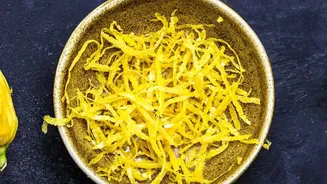
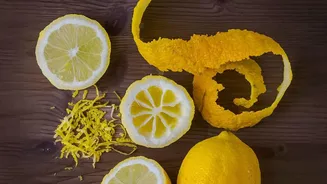
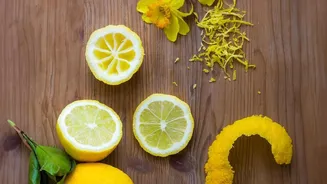
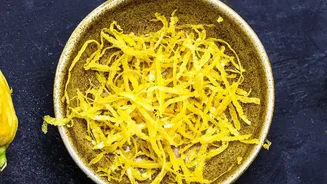
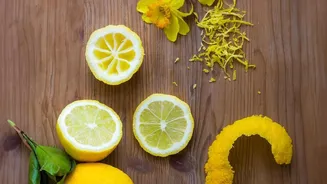
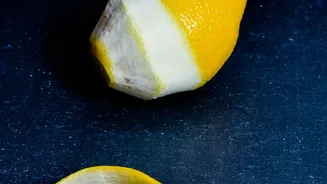
So what exactly is lemon zest? It's the colourful, outermost yellow layer of the lemon peel. This part of the fruit is where the magic happens, as it's packed with fragrant essential oils that carry a concentrated citrus flavour. It's crucial to only grate the yellow part, as the white layer underneath, known as the pith, is quite bitter and can add an unpleasant taste to your dishes. While lemon juice adds a sour, acidic kick, zest provides a brighter, more aromatic, and nuanced lemon flavour without adding extra liquid. This makes it an incredibly versatile ingredient for both sweet and savoury cooking.
Your Essential Zesting Toolkit
You don't need a lot of fancy equipment to start zesting. The most common and effective tool is a microplane, which creates fine, fluffy shavings of zest perfect for incorporating into almost any dish. A box grater's smaller holes will also work well. If you don't have either, a simple vegetable peeler can be used to remove wide strips of the peel, which you can then finely chop with a sharp knife. Always remember the golden rule of zesting: zest the lemon before you cut and squeeze it. Trying to zest a soft, juiced lemon half is an exercise in frustration.
Brighten Up Savoury Dishes
Lemon zest's ability to cut through richness and balance flavours makes it a star in savoury cooking. Tossing a bit of zest into a creamy pasta sauce can keep it from feeling too heavy on the palate. It's a game-changer in marinades for chicken, fish, and seafood, adding a fresh, aromatic quality. Roasted vegetables, from potatoes to asparagus and cauliflower, are instantly elevated with a sprinkle of zest after they come out of the oven. You can also stir it into rice, orzo, or couscous to add a subtle brightness, or mix it into soups and stews just before serving to liven up the flavours.
A Baker's Not-So-Secret Weapon
In the world of baking, lemon zest is indispensable. It adds a fragrant, zesty punch to cakes, muffins, and scones that you just can't get from juice alone. It pairs beautifully with other flavours like blueberry, raspberry, and almond. You can cream it with butter and sugar when making cookies or cakes to infuse the entire batter with its essential oils. A little zest folded into ricotta for pancakes or mixed into a simple glaze for a pound cake can make all the difference, providing a professional-tasting finish with minimal effort.
Drinks, Dressings, and More
The uses for lemon zest don't stop with food. Infusing olive oil with strips of lemon peel creates a flavourful oil perfect for drizzling over salads, fish, or pasta. Whisking zest into a simple vinaigrette gives it a vibrant, fresh lift that bottled dressings can't match. For drinks, a strip of zest twisted over a cocktail releases its aromatic oils, enhancing the drinking experience. You can also add it to homemade lemonade, iced tea, or even just a glass of sparkling water for a refreshing, flavourful twist.
How to Store Your Leftover Zest
Since many recipes only call for a small amount, knowing how to store leftover zest is key to reducing food waste. One of the best methods is to freeze it. Spread the zest on a parchment-lined baking sheet, freeze for about 30 minutes, then transfer it to an airtight container or freezer bag. This prevents clumping and allows you to scoop out just what you need. For longer-term storage, you can dry the zest in a dehydrator or a low-temperature oven until it's brittle. Dried zest can be stored in an airtight jar for up to a year.