


The Kalka-Shimla Railway: A UNESCO Gem
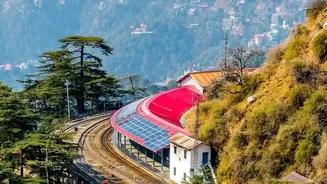
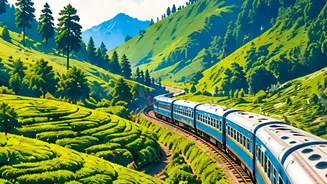
A journey on the Kalka-Shimla Railway is like travelling back in time. Recognised as a UNESCO World Heritage site, this narrow-gauge 'toy train' has been chugging its way up the Himalayan foothills since 1903. The 96-kilometre route begins in Kalka and
slowly ascends to Shimla, the former summer capital of British India. What makes this five-hour journey extraordinary is the engineering behind it: the train navigates over 800 bridges, 900 sharp curves, and passes through 102 tunnels. As it climbs, the landscape transforms from scrubby plains to dense forests of pine and deodar. The quaint, colonial-era stations along the way, like Barog, add to the nostalgic charm, making it an essential experience for anyone visiting Himachal Pradesh.
The Darjeeling Himalayan Railway: The Original Toy Train
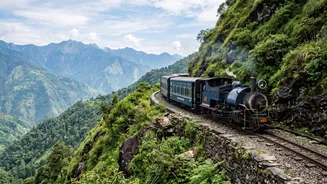
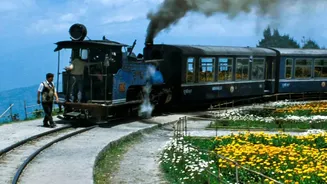
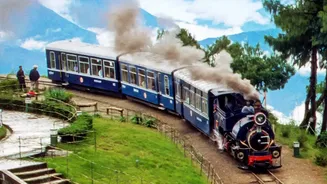
Perhaps the most iconic of them all, the Darjeeling Himalayan Railway is another UNESCO World Heritage site, famous for its 'Toy Train'. Built between 1879 and 1881, this engineering marvel climbs from New Jalpaiguri in the plains to the world-famous hill station of Darjeeling, situated at over 7,000 feet. The route is renowned for its ingenious loops and zig-zags, designed to conquer steep gradients. The most famous of these is the Batasia Loop, which offers a panoramic view of Darjeeling town with the majestic Kanchenjunga peak in the background on clear days. The journey, often powered by a vintage steam locomotive, takes you through bustling market towns and serene tea gardens, offering a truly immersive Himalayan experience.
The Nilgiri Mountain Railway: A Ride to the Blue Mountains
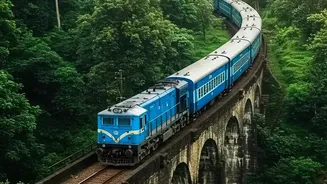
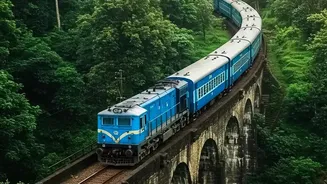
Heading south, the Nilgiri Mountain Railway offers a unique journey to Ooty, the 'Queen of the Nilgiris'. This line, also part of the UNESCO Mountain Railways of India, is the only rack railway in the country. It uses a special rack-and-pinion system to navigate the steepest track in Asia. The 46-kilometre journey starts at Mettupalayam and ascends through dense forests, verdant tea plantations, 16 tunnels, and over 250 bridges. The trip takes about five hours, allowing plenty of time to admire the stunning scenery of the Western Ghats. For many, this charming blue train is most recognisable from its famous appearance in the song 'Chaiyya Chaiyya'.
The Kangra Valley Railway: An Underrated Himalayan Journey
Often overshadowed by its more famous counterparts, the Kangra Valley Railway is a hidden gem that offers an authentic, unhurried glimpse into life in the Himachal foothills. This 164-kilometre narrow-gauge line connects Pathankot in Punjab to Joginder Nagar in Himachal Pradesh. Unlike other mountain railways that rely heavily on tunnels and sharp turns, this route follows a gentler path through the open valley. This provides passengers with long, uninterrupted views of the mighty Dhauladhar mountain range. The journey of around 10 hours crosses over 900 bridges, passing through pine forests, tea estates, and small villages, offering a deeply immersive and incredibly affordable way to experience the region's natural beauty.
The Future: New Connections to the High Himalayas
While the heritage lines offer a nostalgic trip, Indian Railways is also pushing the boundaries of mountain connectivity with ambitious new projects. The Rishikesh-Karnaprayag line in Uttarakhand, for example, is a 125-km project where over 80% of the route will run through tunnels, connecting key pilgrimage sites deep in the Himalayas. Even more ambitious is the proposed Bilaspur-Manali-Leh line. This strategic project aims to connect Ladakh by rail, potentially featuring the world's highest railway station at over 5,000 metres. These modern engineering marvels promise to open up remote mountain gateways in entirely new ways.