



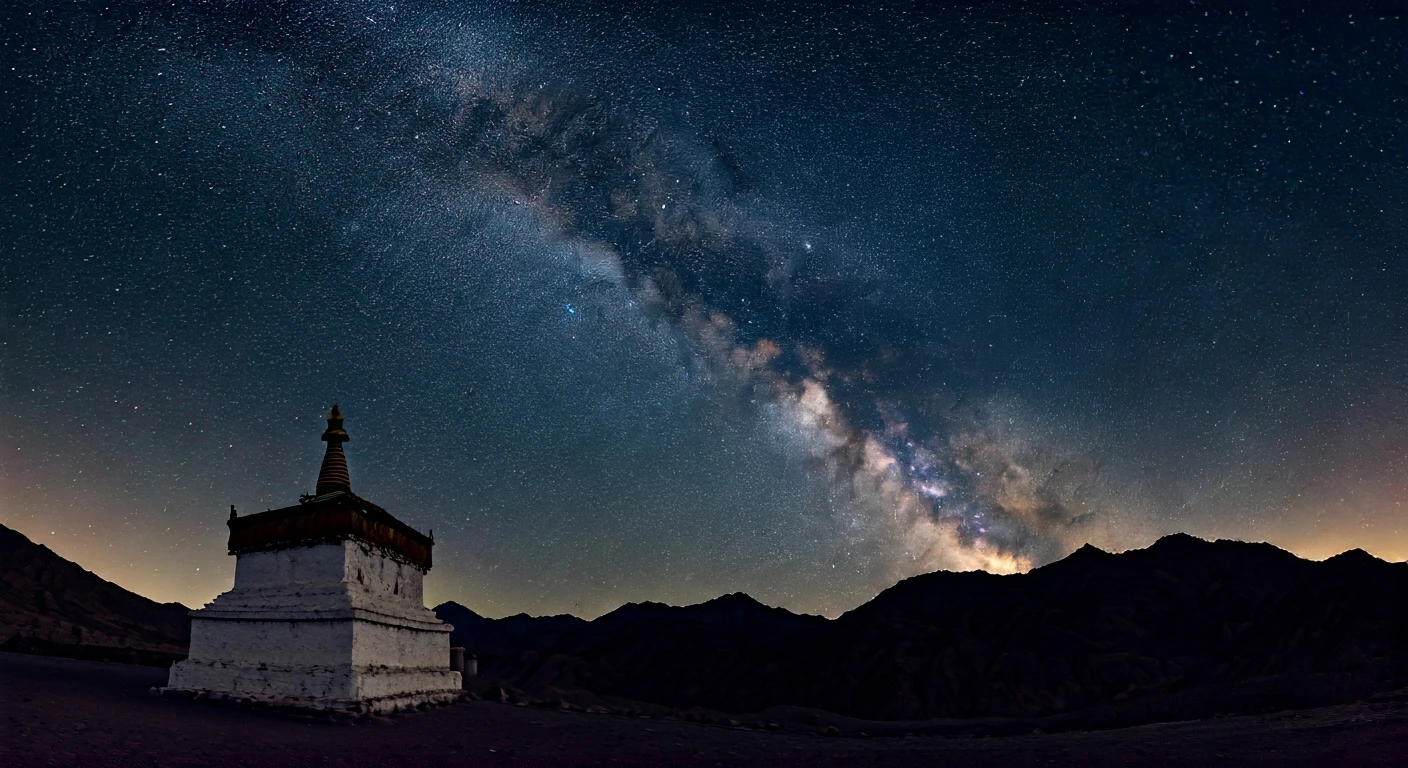


A Celestial Double Feature
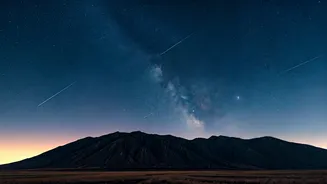
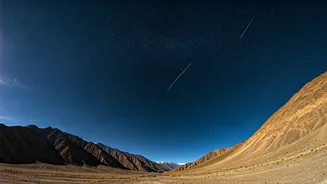
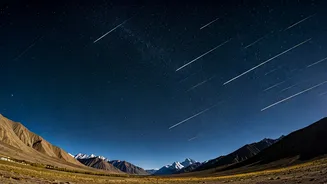
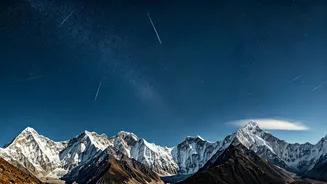
Late July 2026 brings not one, but two meteor showers: the Southern Delta Aquariids and the Alpha Capricornids. Both are scheduled to peak around July 30-31. The Delta Aquariids are known for a steady stream of meteors, while the Alpha Capricornids are famous
for producing exceptionally bright fireballs that can pierce through the night's darkness. While a nearly full moon will be present this year, making fainter meteors harder to see, the high altitudes and clear, dry air of Ladakh dramatically increase your chances of witnessing a memorable show. The sheer darkness of remote Ladakhi locations can help mitigate the moonlight, offering a better viewing experience than almost anywhere else in the country.
Hanle: The Astronomer's Paradise
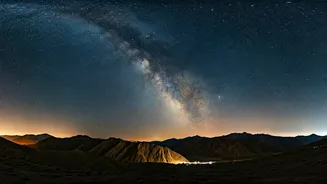
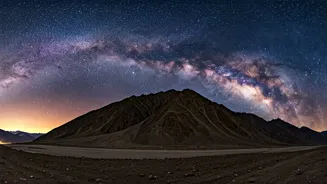
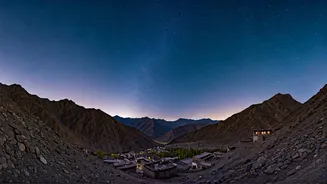
Considered the crown jewel of Indian stargazing, Hanle is a must-visit for any serious enthusiast. Situated at a breathtaking altitude of 4,500 metres, it was officially designated as India's first Dark Sky Reserve. This remote village is home to the Indian Astronomical Observatory, one of the highest in the world, precisely because its skies are among the clearest and darkest on the planet. The commitment of the local community to minimising light pollution ensures an untainted view of the cosmos, where the Milky Way is often visible to the naked eye in stunning detail. For the late July meteors, Hanle's Bortle-1 class dark sky provides the best possible conditions to spot even the fainter streaks of light.
Nubra Valley: Dunes Under the Stars
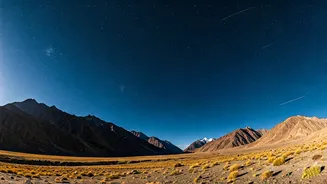
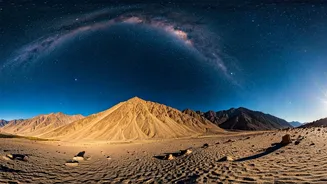
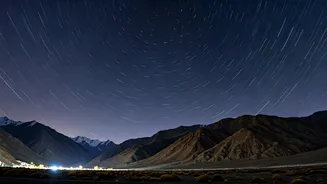
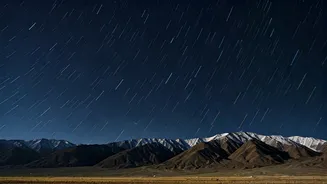
For those seeking a balance between spectacular skies and slightly more manageable altitudes, Nubra Valley is an excellent choice. Located at around 3,000 metres, the nights here are comparatively warmer than in Hanle or at the high-altitude lakes. The famous sand dunes near Hunder offer a surreal and unique foreground for astrophotography, with the silhouette of the Karakoram range framing a star-filled sky. The wide, open valley provides an expansive, unobstructed view, making it a fantastic location to lie back on the dunes and watch for the fireballs of the Alpha Capricornids and the steady stream of the Delta Aquariids. The valley's accessibility and relative comfort make it a great option for families and first-time astro-tourists.
Pangong Tso: A Lake of Stars
The iconic Pangong Tso, with its shimmering high-altitude saltwater, offers a stargazing experience that is nothing short of magical. At an elevation of 4,350 metres, the vast, open landscape provides a panoramic celestial view. On a clear, calm night, the stars and meteors can appear reflected on the lake's surface, creating a surreal double-sky effect. While its popularity means there can be more light from campsites near the main tourist spots, a short walk away from the crowds can reveal a pristine dark sky. Imagine watching a bright fireball streak across the heavens, its reflection momentarily dancing on the waters of this legendary lake—a truly unforgettable sight.
Tso Moriri: Secluded Splendour
If you crave solitude with your stars, Tso Moriri is the answer. Less frequented by tourists than Pangong Tso, this high-altitude lake offers a more tranquil and untouched environment for stargazing. Located within the Tso Moriri Wetland Conservation Reserve, the area is protected from pollution, ensuring incredibly clear and dark skies. At an altitude of over 4,500 metres, the conditions are similar to Hanle, with sharp visibility perfect for spotting meteors. The serene atmosphere, combined with the chance to hear celestial stories from local Changpa nomads, adds a unique cultural dimension to your astronomical adventure.
Essential Ladakh Stargazing Tips
To make the most of your trip, preparation is key. First and foremost, acclimatise properly to the high altitude by spending at least two days in Leh before ascending further. Nights in Ladakh are cold, even in summer, so pack multiple warm layers, including thermals and a down jacket. A headlamp with a red-light mode is essential to preserve your night vision. While you don't need a telescope to enjoy a meteor shower, binoculars can enhance the view of the Milky Way. For photographers, a sturdy tripod and a wide-angle lens with a fast aperture are crucial for capturing the spectacle. Finally, practice responsible tourism by carrying back all waste and respecting the fragile ecosystem and local light-discipline rules.