




From Conspicuous to Conscious
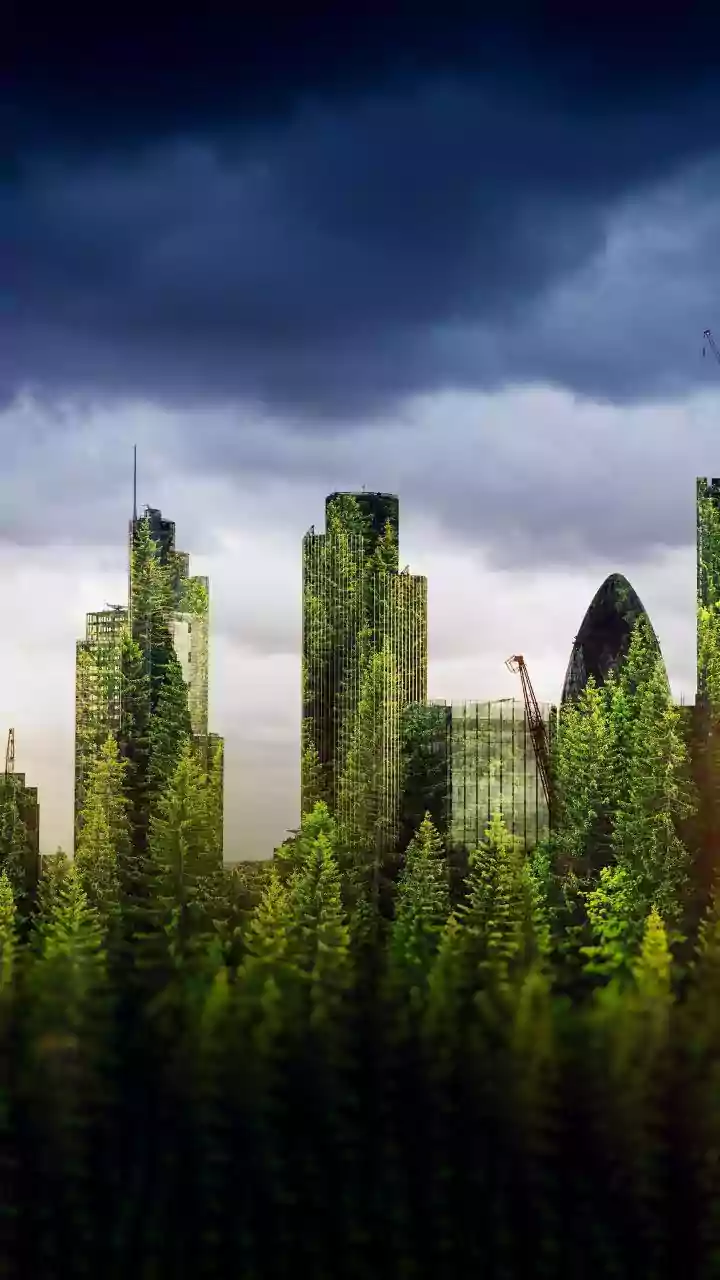
The meaning of luxury is undergoing a profound transformation. Where it was once defined by visible, material wealth—the branded handbag, the expensive watch—it's now increasingly measured by what is unseen. This trend, often linked to the idea of "quiet
luxury," prioritises quality, subtlety, and intention over loud displays of wealth. Instead of accumulating things, the focus is shifting to accumulating experiences, clarity, and balance. This represents a move away from performative wealth and towards a more personal, internal sense of well-being. A calm demeanor, a regulated nervous system, and the ability to disconnect are becoming the modern markers of a successful life. In a world where everyone feels overstimulated, the ability to possess and protect one's inner calm is the rarest commodity of all.
The Burnout Backlash
Several factors are driving this societal pivot. The hustle culture that glorified exhaustion as a badge of honour is facing a significant backlash, particularly from younger generations who have witnessed its detrimental effects on mental health. Having seen the consequences of relentless ambition, many are now actively choosing sustainability over speed. The COVID-19 pandemic also served as a major catalyst, forcing a collective re-evaluation of what truly matters and heightening awareness around physical and mental health. In our hyper-connected world, the constant barrage of notifications and social media pressures creates a state of perpetual distraction, making true rest feel elusive. As a result, the ability to set boundaries, disconnect from technology, and curate a life with less noise is seen as a form of power and control.
The Performance of Peace
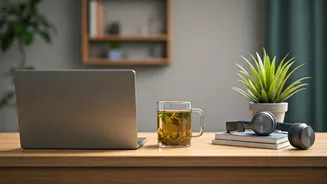
Ironically, even as people reject old forms of status, the pursuit of mental peace is becoming its own form of performance. Wellness has transformed into a multi-billion dollar industry. The new status symbols are not sports cars, but subscriptions to high-end meditation apps, expensive wellness retreats, and personal trainers. On social media, the flex has shifted from luxury goods to marathon medals, perfect sleep scores from wearable tech, and aesthetically pleasing self-care routines. This commercialisation of mindfulness has led to what some call "McMindfulness," where ancient spiritual practices are repackaged as self-help products to help people cope with the stresses of modern life without addressing the root causes. This turns peace into a product and a privilege, often accessible only to those who can afford it.
Is It a Luxury Good?
This raises a crucial question: is mental peace becoming another luxury that highlights socio-economic divides? While the ideal of inner calm is universal, the means to achieve it in its modern, commodified form are not. High-end gym memberships, organic meal plans, longevity clinics with five-figure price tags, and the sheer time required for self-care are often out of reach for the average person. The ability to prioritise wellness often requires a level of financial security and control over one's schedule that many do not have. This risks framing wellness not as a fundamental human need, but as a privilege, reinforcing the gap between those who can afford to buy peace and those who cannot.