




The Modern Sedentary Trap
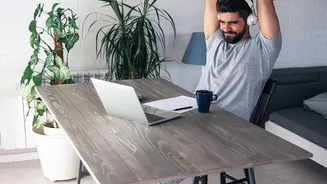
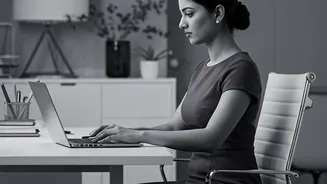
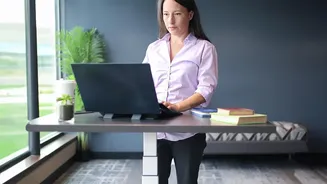
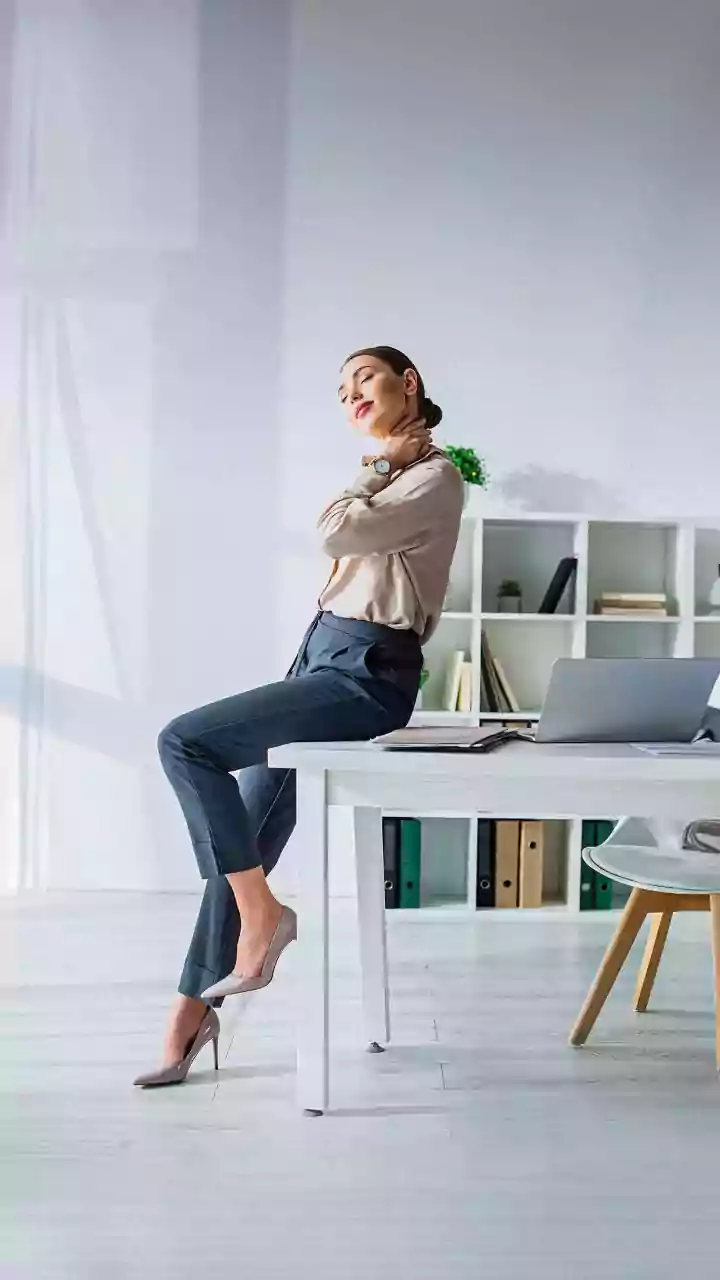
Whether you're in an office or working from home, the nature of many modern jobs involves prolonged periods of sitting. Studies show that the average office worker can spend thousands of hours seated each year. This sedentary lifestyle can lead to a host
of problems. When you sit for extended periods, your muscles, particularly the hamstrings and hip flexors, remain in a shortened position, becoming tight. Meanwhile, other muscles, like your glutes, become inactive and weak. This imbalance contributes to poor posture, as we tend to hunch forward, putting significant strain on our neck, shoulders, and spine. Over time, this constant musculoskeletal stress can lead to chronic pain, joint stiffness, and a higher risk of injuries. It also impacts circulation, as blood flow can decrease, especially to the lower body.
The Science of a Good Stretch
When you take a moment to stretch, you're initiating a powerful physiological response. Stretching helps to counteract the negative effects of sitting by lengthening muscle fibers that have become tight. This process increases blood flow to your muscles, delivering a fresh supply of oxygen and nutrients while helping to flush out metabolic waste products. On a deeper level, stretching communicates with your nervous system. It can activate the parasympathetic nervous system, which is responsible for the body's 'rest and digest' response. This helps to lower stress levels and reduce overall muscle tension. Furthermore, gentle movement encourages the production of synovial fluid within your joints, which acts like a lubricant, helping them move more smoothly and with less friction. The simple act of stretching essentially wakes up your body, reminding it to move through its full, intended range of motion.
Boosting Mobility, Not Just Flexibility
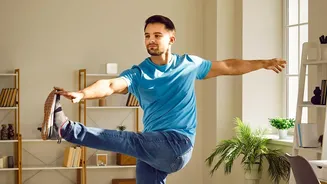
It's common to use the terms 'flexibility' and 'mobility' interchangeably, but they are different. Flexibility refers to a muscle's ability to lengthen passively. Mobility, on the other hand, is the ability to move a joint actively through its full range of motion. While static stretches (holding a position) are great for improving flexibility, dynamic stretches (active movements) are key for enhancing mobility. Incorporating short, active stretching breaks helps maintain and improve this functional movement. Better mobility means everyday actions, from reaching for something on a high shelf to picking up a box, become easier and safer. By keeping your joints lubricated and your muscles adaptable, you reduce the risk of strains and injuries both at work and in your daily life. Think of it as preventative maintenance for your body's moving parts.
Five Minutes to a Better Body
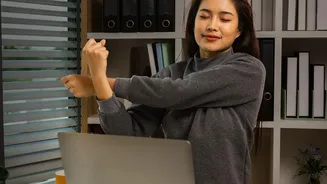
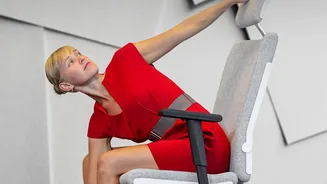
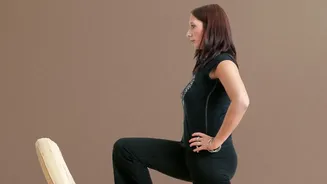
You don't need a gym or a lot of time to make a difference. Taking a one- to three-minute break every hour to move can be incredibly effective. Here are a few simple stretches you can do right at your desk:1. Neck Rolls: Gently tilt your head to one side, holding for 15 seconds, then repeat on the other side. Slowly roll your chin down to your chest to stretch the back of your neck.2. Shoulder Shrugs and Rolls: Inhale and lift your shoulders up toward your ears, hold for a moment, then exhale and let them drop. Follow this by slowly rolling your shoulders backward and down a few times to release tension in the upper back.3. Chest Opener: Sit or stand tall. Clasp your hands behind your back and gently straighten your arms, pulling your shoulder blades together. This counteracts the slouched-forward posture common at desks.4. Seated Spinal Twist: Sit upright in your chair with your feet flat on the floor. Gently twist your torso to one side, using the armrest or chair back for a deeper stretch. Hold for 20 seconds and repeat on the other side.5. Wrist and Forearm Stretch: Extend one arm in front of you with your palm up. With your other hand, gently pull your fingers down and back toward your body until you feel a stretch in your forearm. Hold, then repeat with your palm facing down. This is crucial for those who type frequently.