


Check the Root System
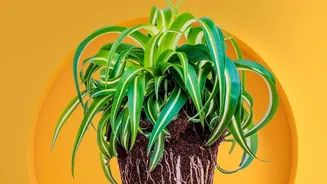
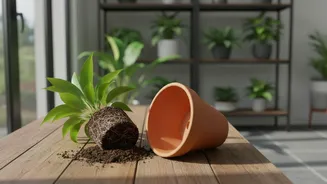
The most definitive sign that a plant needs a new home is found beneath the soil. Plants whose roots have filled their container are called 'root-bound' or 'pot-bound'. To check, gently slide the plant out of its pot. If you see a dense web of roots circling
the bottom and sides with very little soil visible, it's time for an upgrade. Other clues include roots poking out of the drainage holes or pushing the plant up out of the pot. When roots become this constricted, they can't effectively absorb water and nutrients, which can eventually strangle the plant and stunt its growth. For severely bound plants, you may need to gently tease the bottom roots apart or even make a few vertical cuts on the sides of the root ball to encourage outward growth in the new pot.
Observe the Drainage
How water behaves when you water your plant is another critical indicator. If water seems to run straight through the pot and out the drainage holes without soaking into the soil, it can be a sign that the pot is so full of roots there is little soil left to retain moisture. This forces you to water more frequently, yet the plant may still seem thirsty. Conversely, if water pools on the surface for a long time or the soil stays soggy for days, it may indicate that the soil has become compacted and is no longer draining properly. Old, broken-down soil loses its structure, leading to poor aeration and an increased risk of root rot, a condition where roots decay from excess moisture. A musty or sour smell from the soil also points to a deteriorating environment that requires a refresh.
Monitor for Stalled Growth
A healthy plant in its growing season (typically spring and summer) should be producing new leaves. If your plant's growth has slowed dramatically or stopped altogether, it might be struggling. Pay attention to the new leaves; if they are noticeably smaller than older ones, the plant may be lacking the space and nutrients to support robust growth. Another common sign is the yellowing of lower leaves, as the plant may be shedding them to conserve resources for new growth. While other issues like pests or improper lighting can also cause these symptoms, they often point to a plant that has exhausted the nutrients in its current pot and needs fresh soil and more room to thrive.
How to Repot Successfully
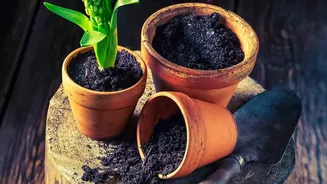
Once you've determined it's time, choose a new pot that is only about 1-2 inches larger in diameter than the current one. Moving a plant into a pot that is too large can lead to overwatering, as the excess soil will hold more moisture than the roots can absorb. Ensure the new pot has drainage holes. Add a layer of fresh, appropriate potting mix to the bottom of the new pot. Gently remove the plant from its old container, loosen the root ball as needed, and place it in the center of the new pot. Fill the surrounding space with more potting mix, ensuring the top of the root ball is at the same level it was previously. Water the plant thoroughly to help the new soil settle, and keep it out of direct, harsh sunlight for a few days to help it acclimate to its new home.