





As winter arrives, so do articles promising weight loss through 'superfoods'. But can eating certain things automatically trim your waistline? It's time to separate nutritional facts from fiction for a healthier approach this season.
The Myth: Your Metabolism Slows in Winter
A common belief is
that our metabolism hibernates when it gets cold, making weight gain inevitable. The reality is more complex. While shorter days and colder weather might make us less active, our bodies actually burn slightly more calories to maintain a stable core temperature. This process, called thermogenesis, involves shivering and the activation of special fat tissue to generate heat. So, if weight does creep up, it's not because your metabolism has stalled. It's more likely due to a combination of other factors, like reduced physical activity, changes in sleep patterns, and a natural inclination towards calorie-dense comfort foods.
The Fallacy: 'Negative-Calorie' Foods
No food can magically cause weight loss on its own. The idea of 'negative-calorie' foods—those that supposedly burn more calories to digest than they contain—is largely a myth. While digesting any food requires energy (a process known as the thermic effect of food), the calories burned are minimal and never exceed the calories the food provides. Foods often given this label, like celery or cucumbers, are simply very low in calories and high in water and fibre. They can be excellent additions to a diet because they help you feel full, but they don't actively burn fat or cancel out other calories you consume.
The Reality: Winter Foods Offer Nutrients, Not Magic
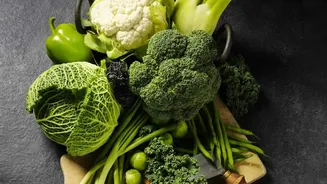
Instead of looking for miraculous weight-loss properties, we should appreciate winter foods for what they truly offer: a powerhouse of nutrients. Seasonal Indian vegetables like carrots (gajar), spinach (palak), fenugreek (methi), and radishes (mooli) are packed with essential vitamins, minerals, and fibre. Carrots are rich in beta-carotene for vitamin A, crucial for vision and immune health. Leafy greens like spinach provide iron, calcium, and vitamin K. These foods support your immune system, aid digestion, and contribute to overall wellness, which are all important components of a healthy lifestyle that can support weight management.
The Power of Warmth, Hydration, and Satiety
One of the smartest strategies for winter eating is embracing warm, hydrating foods like soups and broths. A well-made soup can be highly nutritious, filling, and relatively low in calories. Research shows that starting a meal with a low-calorie, broth-based soup can help you feel full and reduce the total number of calories you eat during the main course. Their high water content aids in hydration, which supports metabolism, while the combination of vegetables and lean proteins like beans or lentils provides fibre and protein that promote satiety, helping you manage hunger effectively without feeling deprived.
Building a Smarter Winter Eating Plan
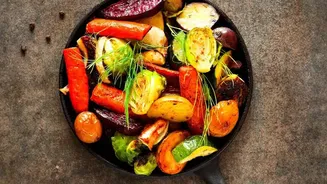
Forget restrictive lists and focus on building balanced, satisfying meals. The real secret to managing weight during winter—or any season—is consistency and mindfulness. Instead of banning comfort foods, try making healthier versions. For example, opt for whole grains, load up on roasted or steamed seasonal vegetables, and ensure every meal contains a source of lean protein. Rather than fixating on what to eliminate, focus on what you can add: more fibre, more vegetables, and more nutrient-dense ingredients. Listen to your body's hunger cues and monitor your portion sizes. A sustainable approach is always more effective than a quick fix.