



The Humble Fruit's Glow-Up
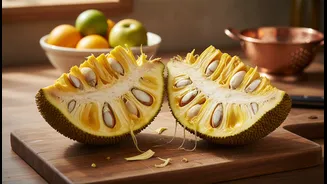
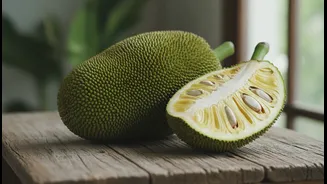
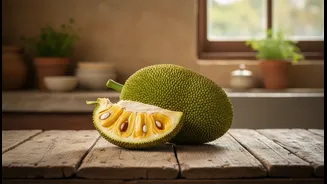
Not long ago, raw jackfruit, or kathal, was primarily known as the ‘vegetarian’s meat’, a satisfying substitute in a flavourful sabzi or a hearty biryani. It was a beloved but predictable part of the culinary landscape. Fast forward to today, and the perception
of kathal is undergoing a dramatic transformation. It's no longer just a simple vegetable for a home-style curry; it has become a trendy, versatile ingredient that home cooks and chefs alike are embracing with newfound enthusiasm. This craze is seeing the giant fruit being shredded for tacos, minced for kebabs, and even shaped into patties for burgers, signalling a creative revolution in Indian kitchens.
Why Kathal, Why Now?
Several factors are fuelling kathal's rise to stardom. The most significant is the global and local surge in plant-based eating. As more people look for meat alternatives, the unripe jackfruit's unique fibrous texture, which uncannily mimics that of pulled pork or chicken, makes it a natural choice. Unlike many processed mock meats, kathal is a whole food, which appeals to health-conscious consumers. Nutritionally, it’s a powerhouse, packed with fibre, potassium, and Vitamin C, while being relatively low in calories. Its mild, neutral taste when unripe means it's an excellent canvas for spices, readily absorbing the bold flavours of Indian masalas.
Beyond the Sabzi and Biryani
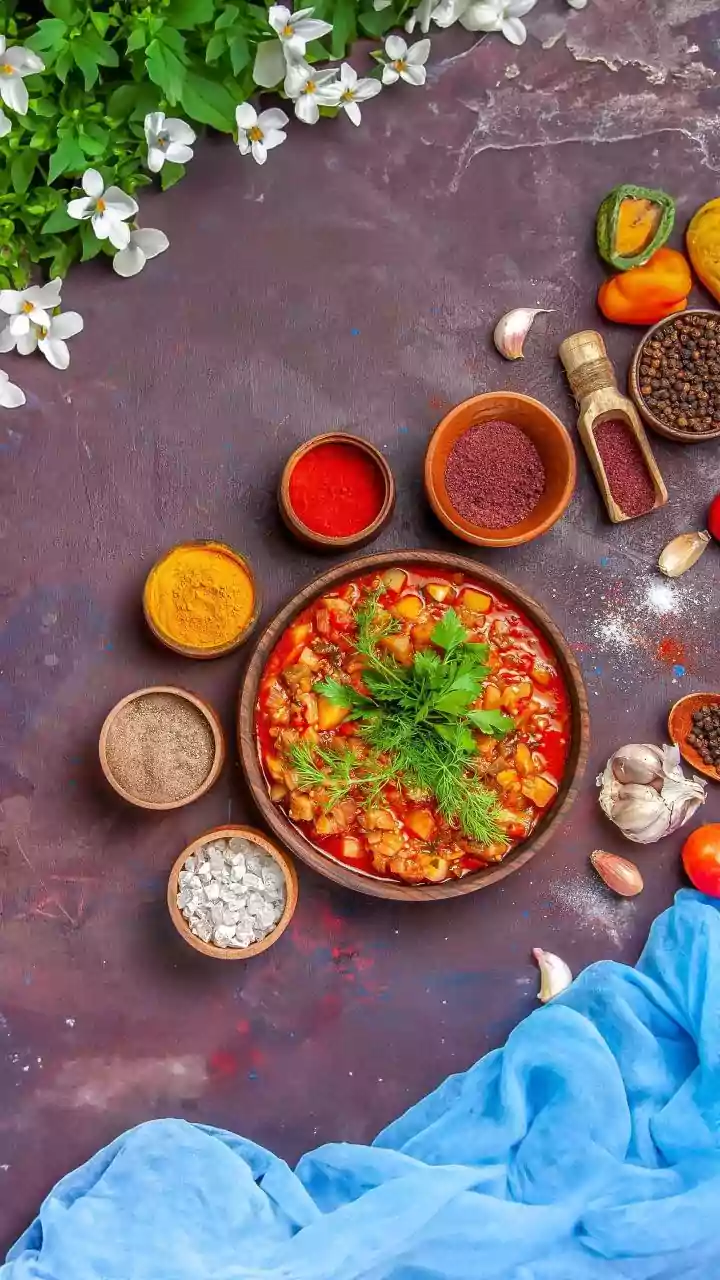
The new kathal craze is all about innovation. While classics like Kathal ki Sabzi and Kathal Biryani remain popular, the modern Indian kitchen is experimenting like never before. Imagine biting into a juicy jackfruit slider, a crispy kathal nugget, or a flavourful kathal taco. Home cooks are whipping up everything from Andhra-style spicy curries to creamy kormas and even tangy kathal pickles. On the snack front, jackfruit cutlets, sandwiches, and even spring rolls are becoming popular teatime treats. This versatility proves that kathal’s potential was largely untapped, and cooks are now making up for lost time.
A Cook's Guide to Kathal
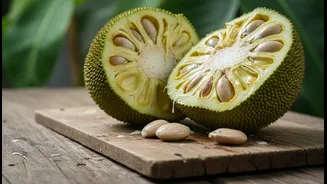
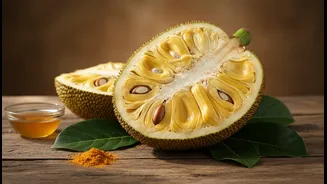
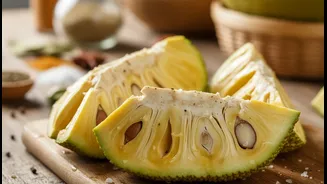
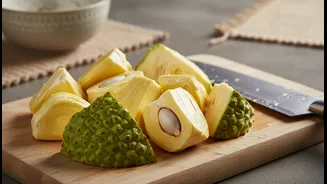
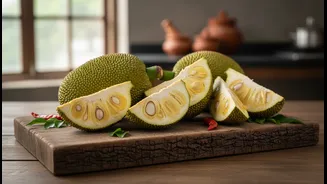
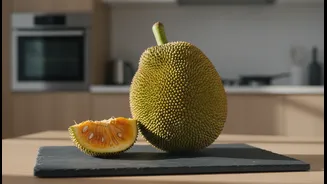
For the uninitiated, preparing a fresh raw jackfruit can seem intimidating due to its large size and sticky sap. A few pro tips can make the process much easier. First, always oil your hands and the knife before you begin cutting to prevent the latex-like gum from sticking to everything. It's also wise to lay down newspaper to protect your work surface. Once you get past the spiky green exterior, you'll need to cut out the central core and then chop the fleshy parts into cubes. The pieces are often boiled in salted, turmeric water before being used in a recipe to soften them. If fresh seems too daunting, canned unripe jackfruit, usually packed in brine, is a convenient and widely available alternative.