






Why Your Seat Isn't Final
An airline seat map might seem like a fixed floor plan, but it’s constantly in flux. The most common reason for change is an aircraft swap. Airlines sometimes substitute a different plane model with a completely new layout, causing all existing seat assignments
to be reshuffled. Beyond equipment changes, the map is a living document. Airlines intentionally block out large sections of desirable seats, such as those in the front, exit rows, and bulkheads. These are often held for elite frequent flyers, passengers with disabilities, or simply to sell for an extra fee. As the departure date nears, these blocks are gradually released. Furthermore, elite flyers are often upgraded to business or first class, freeing up their premium economy seats. Cancellations and flight changes from other passengers also create openings. This constant movement means the seat you were assigned at booking is just a starting point.
The Strategic Timeline for Rechecking
Timing is everything when it comes to improving your seat. Start checking periodically in the weeks leading up to your flight, but intensify your efforts in the final few days. A key window opens 72 to 24 hours before departure. This is when many airlines process automatic upgrades for their elite members, releasing their previously held seats in the main cabin. The most critical moment is exactly when online check-in opens, typically 24 hours before the flight. At this point, airlines release many of the seats that were previously blocked. Logging in the minute check-in becomes available gives you the first pick of this newly available inventory. Don't stop there. Continue to check the map periodically right up until you leave for the airport. Last-minute cancellations and missed connections can open up seats even hours before departure. Your final chances are at the airport—both at the check-in desk and with the gate agent.
Tools and Tactics for Success
Instead of manually refreshing the seat map every hour, you can use technology to your advantage. Services like ExpertFlyer allow you to set a Seat Alert for your specific flight. You can specify that you want a window, an aisle, an exit row, or even a particular seat number, and the service will notify you the moment it becomes available. The free version often allows for one alert at a time. When you receive an alert, you must act quickly to go to the airline's website or app and claim the seat before someone else does. If you prefer a lower-tech approach, simply keep the airline app open at the gate and refresh the seat map. Finally, never underestimate the power of a polite request. Once the boarding process is about to begin and upgrades have been cleared, gate agents have the final, most accurate view of the seat map. Approach them calmly and ask if any better seats, like an aisle or window, have opened up. A friendly query at the right moment can often work wonders.
Know Which Seats to Target
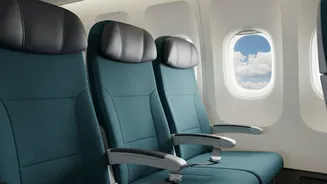
Understanding the hierarchy of seats can help you focus your search. The most desirable seats in economy are often designated as 'Main Cabin Extra', 'Economy Plus', or 'Preferred', which typically offer more legroom and are located toward the front of the plane. These are the seats often freed up when elite flyers are upgraded. Bulkhead rows, the first row in a cabin section, offer significant legroom, though some may lack under-seat storage. Similarly, exit row seats are prized for their extra space, but come with restrictions: you must be willing and able to assist in an emergency, and sometimes these seats have limited recline. Keep an eye on websites like SeatGuru, which provide detailed maps of aircraft layouts, color-coding the best and worst seats and noting potential issues like limited recline or a missing window. This knowledge allows you to make an informed decision when a new seat suddenly becomes available.