


Finding Water in a Frozen Desert
Water is the cornerstone of life, but the Moon is incredibly dry. The key lies in the permanently shadowed craters near the lunar poles. These areas, which haven't seen sunlight in billions of years, are believed to hold vast quantities of water ice.
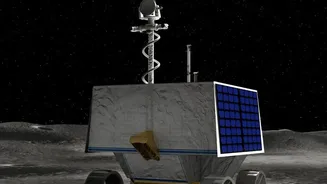
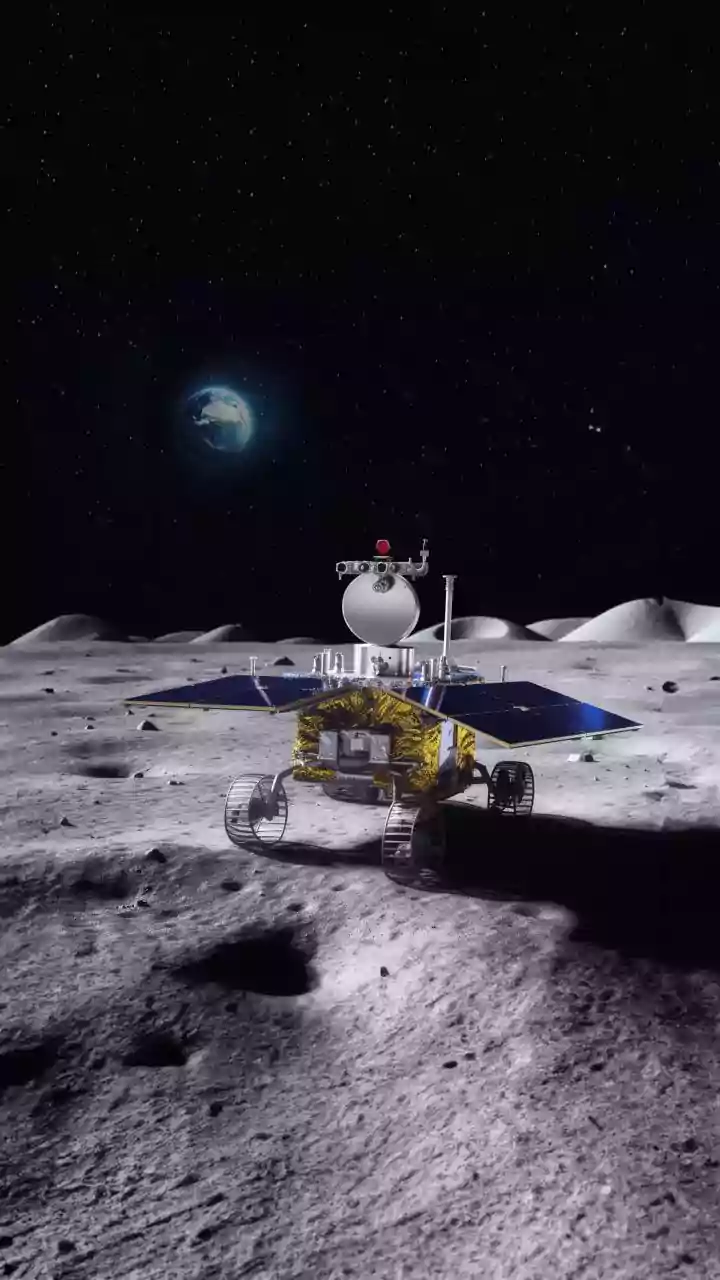
Missions like NASA's Artemis program are targeting the lunar south pole specifically to access these frozen reserves. The plan involves robotic rovers designed to drill into the lunar soil, or regolith, heat it to release the water vapor, and then capture and purify it. It's a challenging process, as the ice is mixed with abrasive lunar dust and frozen solid. Once extracted and melted, this water can be used for drinking, but its value extends far beyond hydration.
Powering Through the Long Lunar Night
A lunar base needs a constant supply of power for life support, research, and resource processing. This is complicated by the Moon's long day-night cycle, which includes about 14 Earth days of continuous darkness and extreme cold. The primary solution is a combination of solar and nuclear power. Large solar arrays will be positioned in areas of near-constant sunlight, such as the rims of polar craters, sometimes called 'peaks of eternal light'. This will generate substantial electricity during the long lunar day. To survive the two-week night, NASA is aggressively developing compact fission power systems. Projects like the Fission Surface Power initiative aim to deploy small, automated nuclear reactors that can provide a steady 10-40 kilowatts of power for at least 10 years, regardless of sunlight. This reliable energy source is considered essential for long-term habitation.
Making Breathable Air from Rocks and Water
The Moon has virtually no atmosphere, so oxygen must be manufactured on-site. There are two primary methods being developed. The first and most direct is electrolysis, using electricity to split the harvested water (H2O) into its component elements: breathable oxygen and hydrogen. The second, more ambitious method involves extracting oxygen directly from the lunar regolith itself. Moon dust is surprisingly rich in oxygen, making up about 40-45% of its mass, but it's chemically bonded with elements like silicon and iron in minerals. Processes like molten regolith electrolysis or carbothermal reduction heat the soil to extreme temperatures (over 1,600°C) and apply an electric current to break these bonds and release the oxygen gas. This technology could produce vast amounts of oxygen for life support and for making rocket propellant.
The Ultimate Recycling Program
Even with access to local resources, nothing can be wasted. A lunar base will depend on a closed-loop life support system, similar to the one perfected on the International Space Station (ISS). These systems are designed to recycle nearly every drop of water. This includes reclaiming moisture from the air produced by astronauts' breath and sweat, as well as purifying wastewater from showers and urine. On the ISS, the advanced Water Recovery System already reclaims up to 98% of all water onboard, turning it back into potable water that is often cleaner than what comes out of taps on Earth. Applying this principle of radical efficiency will be critical for minimizing the immense cost of resupplying a lunar outpost from Earth.