




The Familiar Sight of Afternoon Wilt
It’s a scenario every urban gardener in India knows well. You’ve watered your plants, chosen the right pots, and given them the best soil you can find. Yet, by 3 p.m., the leaves of your vibrant hibiscus, money plant, or bougainvillaea are drooping, looking
stressed and thirsty. This daily cycle of wilting, known as heat stress, not only looks discouraging but also weakens your plants over time, making them more susceptible to pests and diseases. While providing shade and consistent watering helps, sometimes your foliage needs an extra layer of defence to combat the relentless heat, especially in concrete-heavy urban environments that radiate warmth long after the sun has peaked.
What Exactly Is Liquid Seaweed Concentrate?
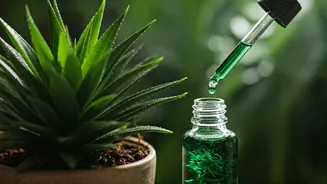
Don't confuse liquid seaweed concentrate with a standard NPK (Nitrogen-Phosphorus-Potassium) fertilizer. While fertilizers provide the basic macronutrients for growth, liquid seaweed is a ‘biostimulant’. Think of it less like a square meal and more like a multivitamin or a superfood for your plants. It’s derived from various types of seaweed, which are harvested, processed (often through a cold-press method to preserve delicate compounds), and concentrated into a liquid form. This potent liquid is packed with a complex mix of over 60 trace minerals, vitamins, amino acids, and natural plant growth hormones that are incredibly beneficial for plant health and resilience.
How It Fights Heat and Dehydration
The magic of seaweed concentrate lies in its ability to help plants manage stress. One of its key components is a group of natural hormones called cytokinins, which promote cell division and delay ageing in leaves. This helps foliage stay green and robust for longer. More importantly for hot climates, seaweed contains compounds like betaines and alginic acid. Betaines help plant cells maintain their water balance (turgor pressure), essentially teaching them to hold onto moisture more efficiently. Alginic acid acts as a soil conditioner, improving the soil's structure so it can retain more water. When you spray it on the leaves (a foliar spray), the plant absorbs these compounds directly, giving it an immediate boost to withstand the afternoon scorch. It strengthens cell walls, making them less likely to collapse under heat stress.
Simple Steps for Application
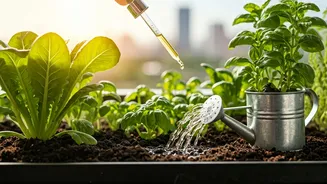
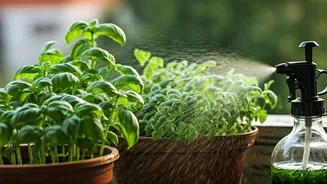
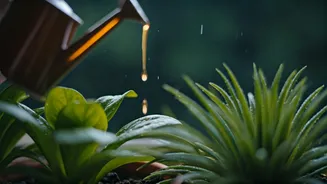
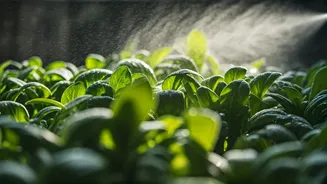
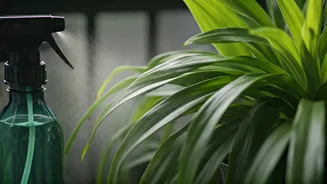
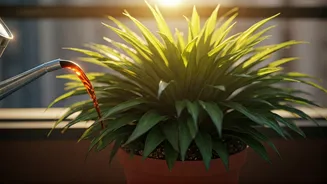
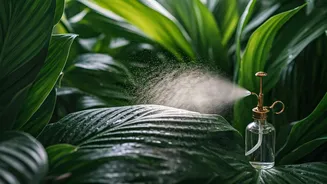
Using liquid seaweed concentrate is incredibly easy. The most important rule is to dilute it properly, as the concentrate is very potent. A little goes a long way. 1. **Read the Label:** Always follow the dilution instructions on the product you buy. A general guideline is about 2-5 ml of concentrate per litre of water, but this can vary. 2. **Choose Your Method:** You have two main options. For a quick heat-stress remedy, use a **foliar spray**. Mix the diluted solution in a spray bottle and mist the leaves of your plants thoroughly, covering both the top and underside. The best time to do this is early in the morning or late in the evening to avoid leaf burn. 3. **Feed the Roots:** Alternatively, you can use it as a **soil drench**. Water your plants with the diluted solution as you normally would. This method feeds the soil ecosystem and encourages a stronger, more extensive root system, which is the plant's long-term foundation for water and nutrient uptake. 4. **Stay Consistent:** For best results, apply the solution once every 10-15 days during the growing season and the hot summer months.
More Than Just a Summer Solution
While its benefits during hot afternoons are a game-changer, liquid seaweed concentrate is a year-round ally for your balcony garden. Its natural growth hormones encourage stronger root development, leading to a sturdier plant. The rich blend of micronutrients, which are often missing from standard fertilizers, helps prevent deficiencies that can cause yellowing leaves or stunted growth. It also boosts a plant's natural defences, making it more resistant to fungal diseases and insect attacks. Gardeners often report more vibrant flowers and a better yield from their vegetable plants after incorporating seaweed into their routine.